
 E-Paper


World Ayurveda Day 2025: Doctor-approved panchakarma treatment for an ayurvedic body detoxification
Learn about the five steps of Panchakarma. This is an Ayurvedic detox method that refreshes the body, balances the doshas, and enhances overall health.

 Prefer HTon Google


The importance of detoxifying our bodies naturally has gained significant attention. Panchakarma, a cornerstone of Ayurveda, offers a comprehensive approach to detoxification through its five therapeutic actions. This method not only helps to eliminate harmful toxins, known as Ama, but also rejuvenates the body and restores balance. Celebrating World Ayurveda Day, let's take a look at the five steps of Panchakarma treatment and discover how they can benefit your health.
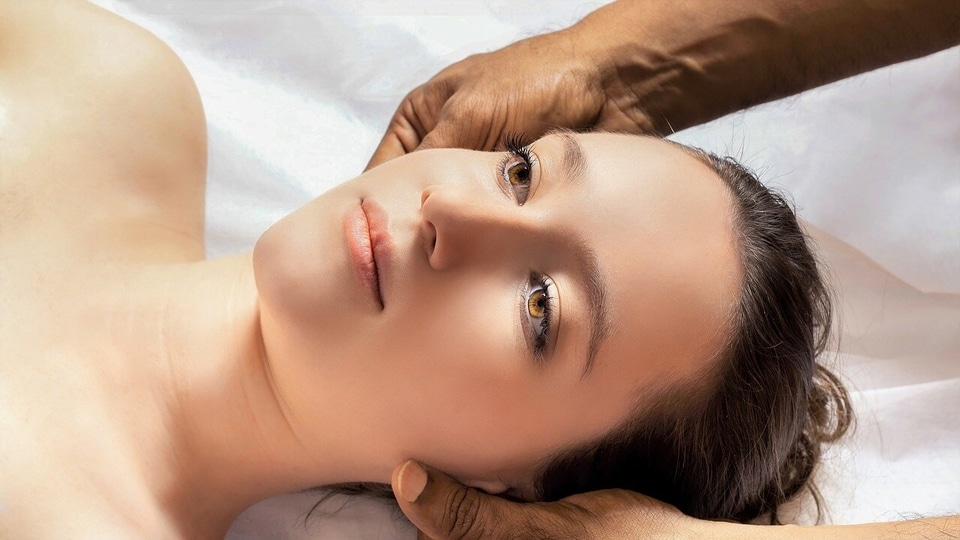

What is Panchakarma?
Panchakarma translates to "five actions" in Sanskrit, each representing a specific therapeutic intervention. "Unlike one-size-fits-all detox diets, Panchakarma treatments are personalised based on an individual's unique constitution, known as Prakriti, and current health imbalances, referred to as Vikriti", Dr Himesh Rana, Ayurvedic Doctor, Maharishi Ayurveda Hospital, tells Health Shots. This individualised approach is what makes Panchakarma particularly effective.
Each of the five therapies in Panchakarma addresses specific issues, making the treatment holistic and multifaceted. Here’s a closer look:
Vamana (therapeutic emesis)
- Purpose: Designed for Kapha-type disorders such as asthma, obesity, and excess mucus.
- How it works: "This therapy focuses on inducing vomiting to cleanse the upper gastrointestinal tract, eliminating accumulated toxins", says Dr Rana.
2. Virechana (purgation therapy)
- Purpose: Targets Pitta-related issues like acid reflux, acne, and inflammatory conditions.
- How it works: By detoxifying the liver and intestines through medicated purgation, Virechana helps restore balance to the body.
3. Basti (medicated enema)
- Purpose: "The most effective treatment for Vata imbalances, addressing concerns like anxiety and constipation", says the Ayurvedic Doctor.
- How it works: Using a medicated oil or decoction, Basti nourishes and detoxifies the colon, promoting overall digestive health.
4. Nasya (nasal therapy)
- Purpose: Clears sinus congestion, enhances mental clarity, and supports hormonal balance.
- How it works: "Nasya involves administering herbal oils through the nasal passages, facilitating quick absorption into the system", shares Dr Rana.
5. Raktamokshana (bloodletting)
- Purpose: Though less frequently practised today, it helps in purifying the blood, which is beneficial for chronic skin disorders and autoimmune issues.
- How it works: This therapy involves the controlled removal of small quantities of blood to eliminate toxins and promote a healthier blood profile.
What are the three stages of Panchakarma?
A successful Panchakarma experience unfolds in three key phases:
- Purvakarma (preparation phase): This phase includes internal and external oleation (Snehana) and therapeutic sweating (Swedana) to ready the body for detoxification.
- Pradhanakarma (main cleansing phase): "The core therapies are administered during this phase, tailored to the individual’s specific doshic imbalances and health history", says the Ayurveda Expert.
- Paschatkarma (rejuvenation phase): Recovery is essential, involving the gradual reintroduction of diet, rejuvenative herbs (Rasayana), and lifestyle modifications to support long-term health benefits.
Why do people do Panchakarma?
Panchakarma is not just a detox program; it represents a holistic lifestyle choice with several advantages, particularly in today’s world, where toxins from food, environment, and emotional stressors are pervasive.
Here are a few key benefits:
- Improves digestive health: Therapies like Virechana and Basti enhance gut health, promoting a balance in gut flora and digestive fire (Agni).
- Clears mental fog: "Techniques such as Nasya help release accumulated stress and tension from the nervous system, leading to improved mental clarity and emotional resilience", explains Dr Rana.
- Removes harmful toxins: Oil-based therapies effectively dissolve and eliminate fat-soluble toxins stored in bodily tissues, reducing inflammation and promoting overall well-being.
One of the best parts of Panchakarma is that it offers personalised treatment. Every person's experience is different. The changes depend on how intense the treatment is, how long it lasts, and which specific herbs are used. This personal approach not only cleanses the body but also strengthens body tissues, balances the doshas, and boosts immunity.
How often should Panchakarma be done?
While a qualified practitioner should ideally supervise a comprehensive Panchakarma, the core principles can be integrated into everyday life:
- Seasonal cleansing: Align short detox efforts with seasonal changes—for instance, focusing on Kapha-reducing protocols in spring.
- Dinacharya (daily routine): "Embrace simple practices like self-Abhyanga (oil massage), mindful eating, and daily meditation to support overall wellness", suggests Dr Rana.
- Herbal support: Include adaptogenic and detoxifying herbs such as Triphala, Guduchi, and Turmeric in your daily nutrition to enhance metabolic function and bolster your immune system.

Catch your daily dose of Fashion, Taylor Swift, Health, Festivals, Travel, Relationship, Recipe and all the other Latest Lifestyle News on Hindustan Times Website and APPs.


