
 E-Paper



Plant protein or animal protein? UK surgeon explains which option is better for long term muscle growth

 Prefer HTon Google


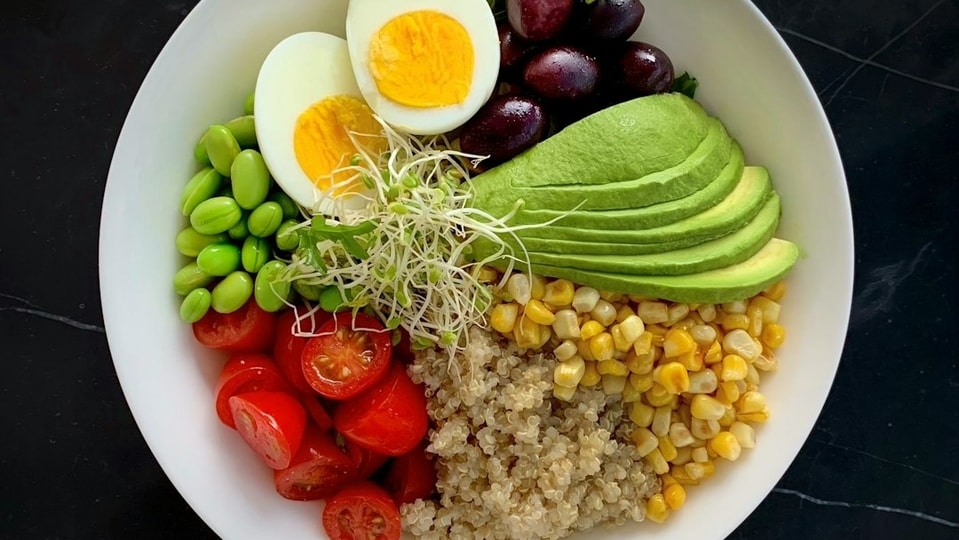
Plant protein has long been vilified as the inferior one, but does the source of protein really matter in the long run? Dr Rajan finally settles the debate.
Ever since conversations around protein and fitness gained mainstream attention, plant-based sources have often been dismissed as inferior to animal protein – especially when it comes to building muscle. The idea that one is inherently “better” has shaped how many people approach their diets. But when the focus shifts from short-term gains to long-term results, does this distinction really hold up? What actually drives muscle growth over time – and does the source of your protein matter as much as it’s made out to?
Dr Karan Rajan, a UK-based surgeon and popular health content creator, is unpacking the debate around the best protein sources for muscle building. In an Instagram video shared on April 29, he explains what truly drives results, breaking down how amino acids from plant and animal proteins differ – and why those differences may matter less than people think over time.
Plant or animal protein: which is better?
According to Dr Rajan, animal protein tends to have an edge in the short term when it comes to supporting muscle growth. Research suggests it stimulates higher rates of muscle protein synthesis compared to plant-based sources and typically provides a more complete profile of essential amino acids. One reason for this difference is that many plant foods also contain fibre, which can slow the digestion and absorption of amino acids, making them less readily available for muscle repair and growth.
He explains, “If you want to build more muscle, is plant protein or animal protein better? In the short term, over just one meal, animal protein actually wins. Studies show that if you eat a meal with animal protein, you get an almost 50 percent bigger muscle protein synthesis spike than plant protein and over two times the amino acid delivery. And this makes sense because whole plant foods contain fibre, which actually slows down amino acid absorption.”
Muscle growth in the long run
Dr Rajan points out that long-term muscle growth isn’t dictated by a single meal, but by consistent intake over time. When viewed across several days, research shows there’s virtually no meaningful difference in overall muscle protein synthesis between animal and plant protein sources. The body doesn’t operate on a meal-by-meal tally of amino acids; instead, it maintains a dynamic pool that the gut and metabolism adapt to – irrespective of the source of amino acids.
The surgeon explains, “Your muscle growth is not determined by one meal. Over a full day and several days, that difference vanishes. Studies have shown that over several days, there's virtually no difference between daily muscle protein synthesis between animal and plant protein. Your body doesn't count amino acids meal by meal. It keeps a pool of amino acids and your gut adapts. The key aspect that predicts maximum muscle protein synthesis is amino acid composition, specifically leucine and essential amino acids. It doesn't matter whether it comes from plants or animals.”
What actually matters
Dr Rajan emphasises that if you’re serious about building muscle, two factors matter most: consistent resistance training and your total daily protein intake. He recommends aiming for at least 1.2 to 1.6 grams of protein per kilogram of body weight. Beyond that, whether your protein comes from plant or animal sources becomes far less significant over the long term – the overall quantity and consistency are what truly drive results.
The surgeon highlights, “If you really care about muscle growth, this is in order of what has the biggest impact based on all the current evidence. Number one is resistance training. Number two is daily total protein. Aim for 1.2 to 1.6 grams per kilo per day of body weight. And everything else outside these two things, like when you eat your protein, how much leucine a meal contains, or whether it's from an animal or plant source, doesn't really move the needle. If you're already resistance training and fueling it with adequate total protein intake, plant and animal protein produce comparable daily muscle building rates.”
Note to readers: This article is for informational purposes only and not a substitute for professional medical advice. It is based on user-generated content from social media. HT.com has not independently verified the claims and does not endorse them.


Catch your daily dose of Fashion, Taylor Swift, Health, Festivals, Travel, Relationship, Recipe and all the other Latest Lifestyle News on Hindustan Times Website and APPs.


