
 E-Paper



Protein and the Indian plate: Nutritionist explains why balanced intake matters for health and immunity

 Prefer HTon Google


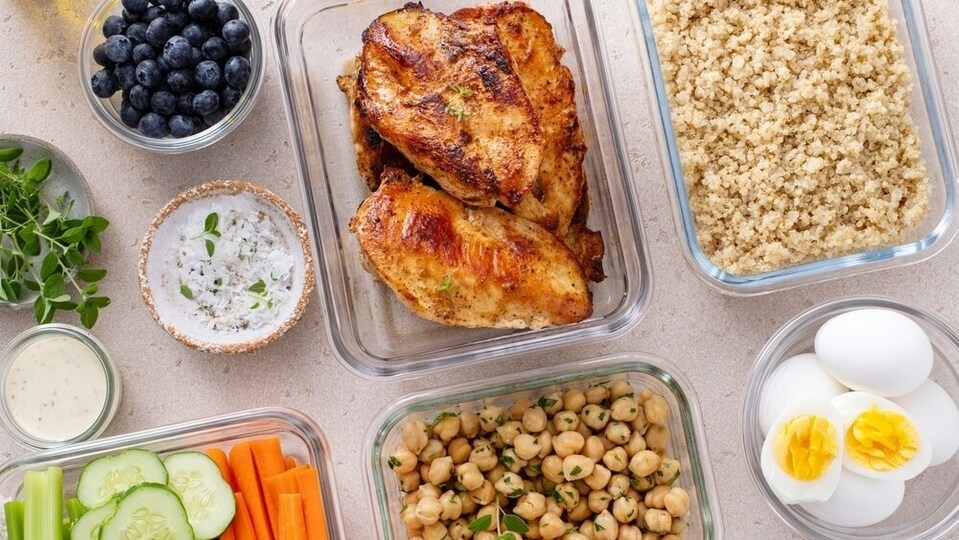
From vegetarian to non-vegetarian sources, here's all that you need to know about protein intake and Indian diets.
Protein is an essential nutrient in our daily diet. While both insufficient and excessive intake can have negative effects, maintaining a healthy balance is key to ensuring the body functions optimally.
In an interview with HT Lifestyle, Eshanka Wahi, nutritionist and founder of Eat Clean with Eshanka said, “Protein is an essential macronutrient that contains higher nutritional value and is directly involved in chemical processes. It plays a vital role in supporting everything that your body does, from maintaining and repairing body tissues and building lean muscle to supporting immunity and ensuring hormonal balance.” Also read | Cardiologist says too much protein is ‘ticking time bomb’ for early heart attacks in your 30s and 40s
Addressing the inadequacy of protein in Indian diets, Eshanka Wahi added, “Indian diets tend to be rich in carbohydrates and low in proteins, especially for vegetarians, leading to a nutritional gap.”
Why is protein crucial?
“Proteins are made of amino acids, which are the building blocks of life. From maintaining strong muscles and bones to supporting hair and skin health, a protein-rich diet fuels optimal wellness. Insufficient intake can lead to fatigue, muscle loss, low immunity, and poor recovery from illness or injury,” the nutritionist explained.
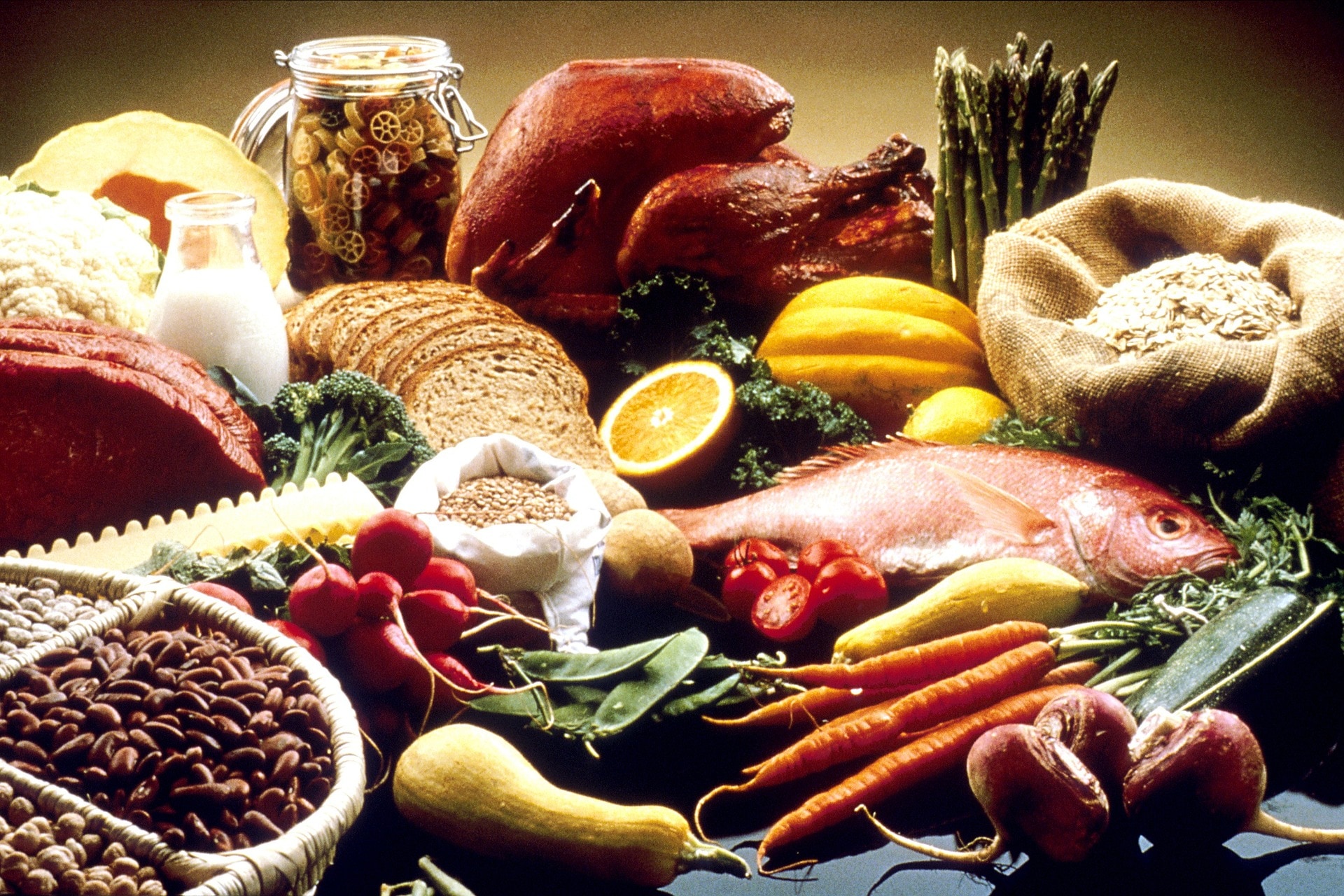
Protein sources in Indian diets:
Vegetarian protein sources: Pulses and legumes such as lentils, chickpeas, beans, and moong dal; dairy products such as paneer, curd, and milk, which are rich in casein and whey proteins; nuts and seeds, including almonds, chia seeds, flaxseeds, and peanuts, which contain healthy fats; and whole grains, including brown rice, wheat, barley, raagi, oats, quinoa, and millets, which boost amino acids.
Non-vegetarian protein sources: This includes eggs and lean sources such as chicken and fish, and mutton is rich in iron and contains high fat. Also read | Are you consuming too much protein? Experts share the safe limits of intake and debunk common myths
How much protein do you need?
“On average, adults need 0.8 to 1 gram of protein per kg of body weight per day. However, athletes, pregnant women, or those with higher activity levels may need more,” said Eshanka Wahi.
Note to readers: This article is for informational purposes only and not a substitute for professional medical advice. Always seek the advice of your doctor with any questions about a medical condition.


Catch your daily dose of Fashion, Taylor Swift, Health, Festivals, Travel, Relationship, Recipe and all the other Latest Lifestyle News on Hindustan Times Website and APPs.


