
 E-Paper



Pune cardiologist with 19 years of experience shares why the calf muscle is called ‘second heart’

 Prefer HTon Google


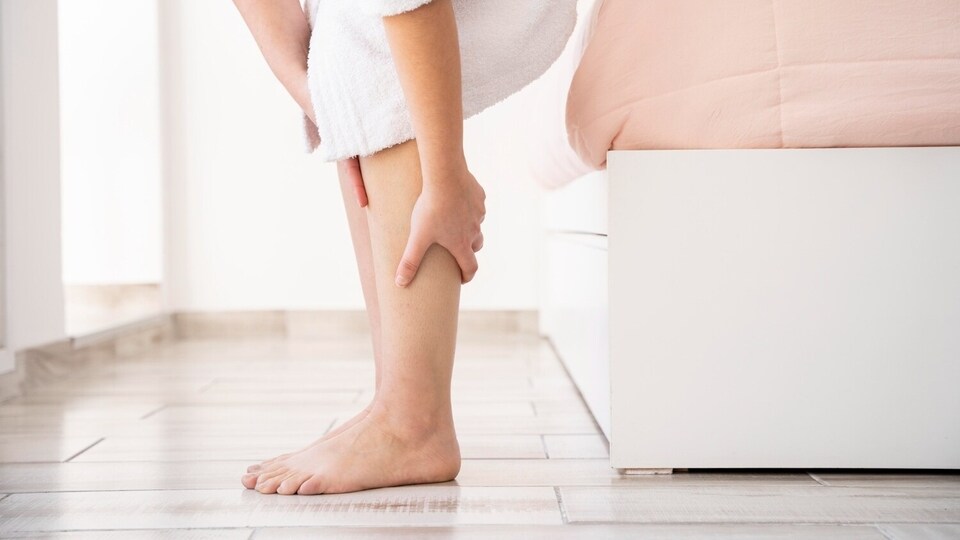
Find out how the ‘second heart’ of your body helps to keep the cardiovascular functions running smoothly, and what you can do to keep ‘second heart’ healthy.
Your legs are more than just for walking. It also regulates vital functions related to cardiovascular health. It is also often called the ‘second heart.’ To understand why the calf muscle is called the second heart, HT Lifestyle reached out to Dr Priya Palimkar, senior consultant - cardiologist at Sahyadri Hospitals, Pune, who has over 19 years of experience.
She confirmed that yes, commonly the calf muscles, especially the gastrocnemius and soleus, are usually called as ‘second heart.’ The cardiologist revealed that it supports circulation and prevents venous problems. “The name ‘second heart’ indicates the importance of leg muscles in the blood recirculation from the legs to the heart. This is because pumping blood back is the primary task of the heart, and these muscles assist in this process.”
So, in other words, it helps to keep blood moving smoothly. While the heart is responsible for pumping the blood throughout the body, the calf muscles help for the extra push the blood needs for returning from the legs, back to the heart.
How does the ‘second heart’ work?
Now, how does the calf muscle help in circulation? As per Dr Palimkar, it works as a natural pump. “When a person is standing or walking, the force of gravity causes the blood to flow downwards into the veins that are located in the legs. As a result, the calf muscles are activated and they contract to harden and compress the deep veins which are close to them. Blood is prevented from being pulled back by the one-way valves in the veins; thus every contraction, it moves blood upward to the heart,” the cardiologist elaborated.
In fact, the calf muscles are called the second heart because they take on a supporting role for the heart. They ensure that blood does not pool in the legs and that the circulation is effective. It helps to make the heart's job easier.
“The heart is then fed with a steady flow of blood, which not only keeps the volume of blood in the heart constant but also helps maintain the cardiac output and general circulation,” she further elaborated on how the calf's ability to support circulation makes it directly impacts cardiovascular health.
Dangers of prolonged sitting

What happens when this natural pump system does not work? Dr Palimkar named the risks, “Malfunctioning calf-pump system significantly increases the likelihood of people having chronic venous issues, oedema (swelling), and even a higher chance of bad circulatory consequences. As an example, patients with a weaker calf-pump function suffer from the most severe stages of venous disease."
To ensure your second heart stays strong, the cardiologist recommended exercising the calf muscles. She also urged being active and not sitting or standing for very long periods. Describing the risk, she said, “This 'second heart' effect is of a mechanical nature and depends on movement; very long periods of sitting or standing still can have the opposite effect, that is, they can make venous return slower and increase the risk of blood stasis (risk of blood staying in one place) in the legs.”
This is why one should stay active, keep moving, and avoid sitting or standing for long periods so that the cardiovascular functions work efficiently.
Note to readers: This article is for informational purposes only and not a substitute for professional medical advice. Always seek the advice of your doctor with any questions about a medical condition.


Catch your daily dose of Fashion, Taylor Swift, Health, Festivals, Travel, Relationship, Recipe and all the other Latest Lifestyle News on Hindustan Times Website and APPs.


