
 E-Paper



Cancer cells crave this everyday food you probably eat; cutting it could help slow tumour growth

 Prefer HTon Google


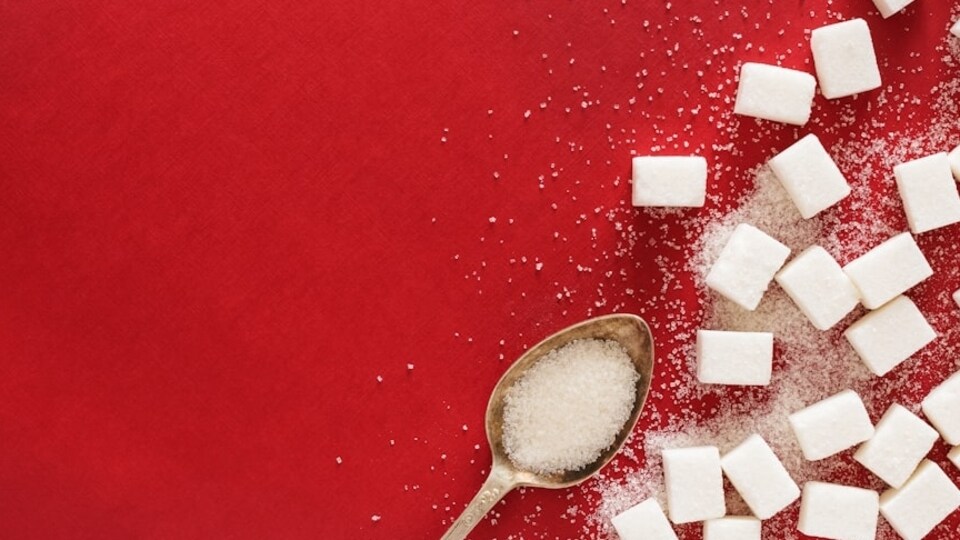
Cutting sugar may help slow tumour growth and support cancer treatment. Here’s all you need to know.
Diet is a factor that is often overlooked when it comes to cancer treatments.A 2023 paper by researchers at Spain’s National Cancer Research Center -Carlos Martínez-Garay and Nabil Djouder - shows that cancer cells have a strong “sweet tooth” and consume sugar in huge amounts to grow and spread.
Unlike normal cells, cancer cells grow uncontrollably and need a lot of energy. To get this energy, they mainly use glucose, a type of sugar found in many foods. This process, called the Warburg effect, was first discovered nearly 100 years ago. Even when oxygen is available, cancer cells prefer sugar for energy.
Sugar cravings are why tumours show up clearly in PET scans, which track glucose in the body. Some cancers also rely on certain amino acids, fats, and vitamins, but sugar, especially fructose found in processed foods, is a major fuel for tumours. Soft drinks, candies, packaged snacks, and sweetened juices all provide easy energy for cancer cells.
Can diet make a difference?
Scientists are exploring whether diet changes can slow cancer growth. The ketogenic diet, high in fats and very low in carbs, reduces blood sugar levels, cutting off the main energy source for tumours, a 2021 paperrevealed. Healthy cells can use ketones, a type of energy produced when sugar is low, but cancer cells cannot.
Another strategy is intermittent fasting, in which eating is limited so that the body can use stored energy instead of sugar. A 2021 study on animals showed these approaches slow down the tumour growth and reduce the spread of cancer.
Diet should support, not replace treatment
A strict diet is not safe for all patients, a 2024 study revealed. Some patients already face fatigue and malnutrition, meaning extreme restrictions could be harmful. Doctors emphasise that diet should only complement the medical treatment, not replace it.
The story of Steve Jobs is a cautionary example: he delayed surgery for alternative medical therapies and a strict fruit diet. By the time he agreed to treatment, the disease had advanced.
The future of nutrition in cancer care
Researchers are studying precision nutrition, tailoring diets to a patient’s type of cancer, metabolism, and overall health. The goal is to limit sugar and processed foods while keeping patients strong and supporting conventional therapies.
While only food cannot cure cancer, cutting down on sugar and processed foods may slow down the tumour growth and can help make the treatment more effective. Eating smart could give your body and doctors a better chance in the fight against cancer.
Note to readers: This article is for informational purposes only and not a substitute for professional medical advice. Always seek the advice of your doctor with any questions about a medical condition.

Catch your daily dose of Fashion, Taylor Swift, Health, Festivals, Travel, Relationship, Recipe and all the other Latest Lifestyle News on Hindustan Times Website and APPs.


