
 E-Paper



Turmeric shows promise as alternative to medication for gastrointestinal symptoms: Study

 Prefer HTon Google


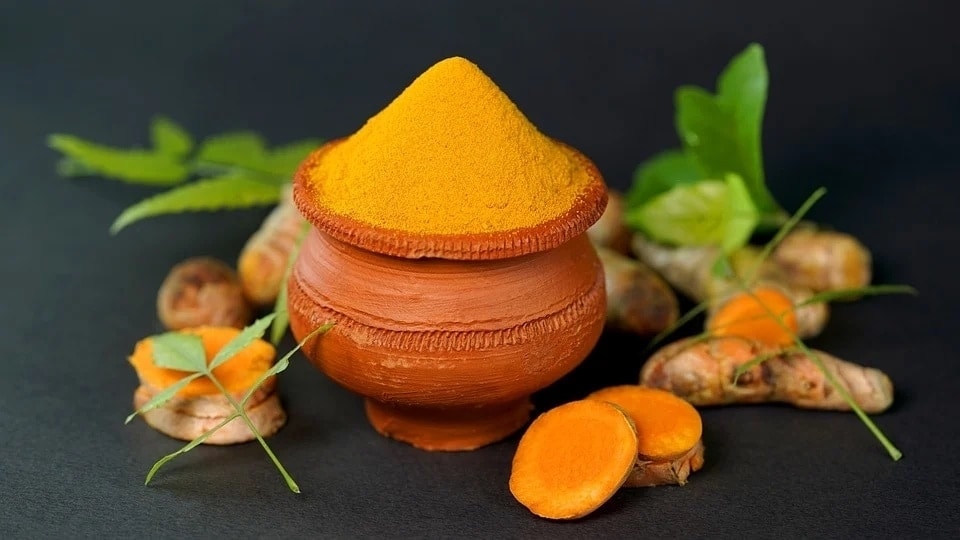
A study found that turmeric may be as effective as omeprazole in treating gastrointestinal symptoms.
Researchers discovered that a natural component found in the culinary spice turmeric may be as effective as omeprazole, a medication used to treat gastrointestinal symptoms by decreasing excess stomach acid. The research was published in the journal BMJ Evidence-Based Medicine. Turmeric is extracted from the root of the Curcuma longa plant. It contains curcumin, a naturally active substance with anti-inflammatory and antibacterial properties that have long been utilised in Southeast Asian medicine, particularly for the treatment of dyspepsia.
However, due to a lack of head-to-head studies, it is unknown how well it compares to traditional drugs for this application. As a result, the researchers randomly allocated 206 individuals aged 18-70 with recurring upset stomach (functional dyspepsia) of unknown cause recruited from Thai hospitals between 2019 and 2021 to one of three therapy groups for a 28-day period.
Turmeric (two big 250 mg curcumin capsules four times per day) and one small dummy capsule (69 patients); omeprazole (one small 20 mg capsule daily and two large dummy capsules four times per day (68 patients); and turmeric plus omeprazole (69 patients).
Omeprazole is a proton pump inhibitor, sometimes known as a PPI. PPIs are used to treat functional dyspepsia, a condition characterised by symptoms such as feeling overly full after eating (postprandial fullness), feeling full after only a small amount of food (early satiety), and discomfort and/or burning sensations in the stomach and/or food pipe (epigastric pain).
However, long-term PPI use has been associated with increased fracture risk, nutritional deficiencies, and an increased risk of infections, according to the study.The trial had 151 participants, with 20 in the curcumin group, 19 in the omeprazole group, and 16 in the combined treatment group dropping out.At the outset of the research, patients in all three groups had identical clinical features and indigestion scores, as measured by the Severity of Dyspepsia Assessment score, or SODA. Patients were evaluated again after 28 days and again after 56 days.
SODA scores showed substantial reductions in symptom severity by day 28 for pain (4.83, -5.46, and 6.22) and other symptoms (2.22, -2.32, and 2.31) in the combination, curcumin alone, and omeprazole alone groups. After 56 days, these improvements were considerably stronger for pain (7.19, -8.07, and 8.85, respectively) and other symptoms (4.09, -4.12, and 3.71, respectively).
SODA also records satisfaction scores, which barely changed over time among curcumin users and may be connected to its taste and/or fragrance, according to the researchers. According to the researchers, no major side effects were detected, while liver function tests showed slight worsening among curcumin users who were overweight.
They acknowledge the study's modest size, as well as various other limitations, such as the brief intervention time and absence of long-term monitoring data. They believe that larger, longer-term investigations are required. Nevertheless, they conclude: “This multicentre randomised controlled trial provides highly reliable evidence for the treatment of functional dyspepsia,” adding that “the new findings from our study may justify considering curcumin in clinical practice.”


