
 E-Paper



US physician shares 5 early signs of insulin resistance that show up long before lab results turn abnormal

 Prefer HTon Google


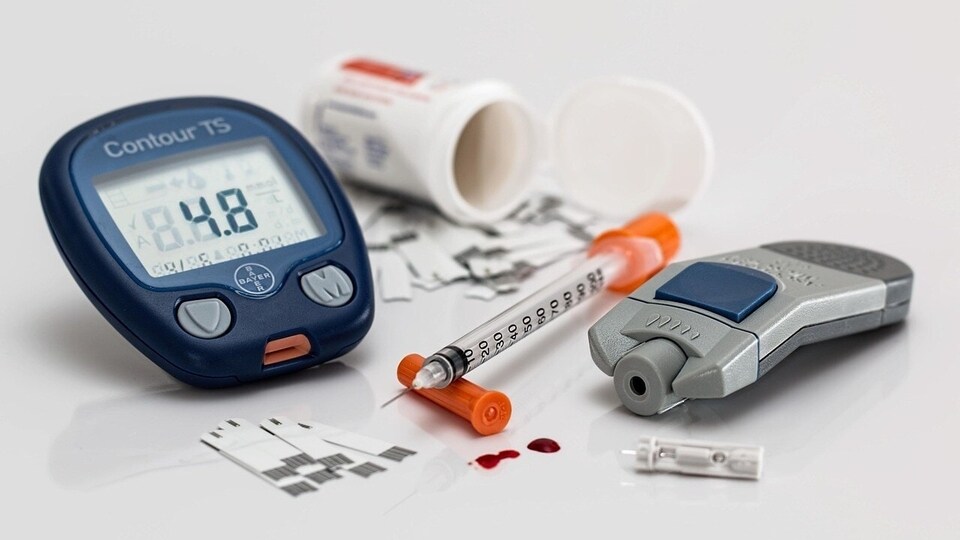
Insulin resistance is linked to type 2 diabetes and is fueled by daily habits. Dr Sood shares 5 early warning symptoms to watch out for!
Insulin resistance doesn’t appear overnight, nor does it begin with a diabetes diagnosis. It is often fuelled quietly by everyday habits - from how we eat and move to how we sleep and manage stress - and can build for years before blood tests raise red flags. Long before glucose levels or HbA1c numbers turn abnormal, the body often sends subtle warning signs that something is off metabolically. Recognising these early signals can open the door to timely lifestyle changes and help prevent insulin resistance from progressing to type 2 diabetes.
Dr Kunal Sood, an anaesthesiologist and interventional pain medicine physician, has outlined five early signs of insulin resistance that can appear long before lab results show abnormalities. In an Instagram video shared on January 21, the physician highlights, “Insulin resistance often shows up in everyday symptoms long before fasting glucose or A1c become abnormal. (It) is a hormonal and metabolic state, not just a lab finding. These subtle signs can appear years before diabetes, offering an early chance to intervene.”
Getting hungry soon after eating
According to Dr Sood, insulin normally plays a key role in signalling fullness and satiety after meals. However, in individuals with insulin resistance, these signals become blunted, causing hunger to return much sooner. He explains, “Disrupted post-meal glucose and insulin responses and impaired ghrelin suppression contribute to early appetite return.”
Afternoon energy crashes
That familiar post-lunch 3pm drowsiness may be the result of an energy crash caused by impaired glucose uptake linked to insulin resistance. Dr Sood explains, “When muscle cells respond poorly to insulin, glucose uptake is inefficient despite normal or high blood sugar. The pancreas compensates with higher insulin release, which can overshoot and cause a rapid relative glucose drop, leading to fatigue, brain fog, and post-meal sleepiness.”
Strong sugar cravings
The physician highlights that insulin resistance is also associated with disrupted appetite regulation, which can trigger strong cravings for carbohydrates or sweets. He elaborates, “Chronic hyperinsulinemia alters appetite regulation and promotes carbohydrate cravings. Research links reduced insulin sensitivity with increased preference for sugary and high-carbohydrate foods.”
Stubborn belly fat despite eating clean
Stubborn belly fat that refuses to budge despite healthy eating may be driven by visceral abdominal fat, which is strongly linked to insulin resistance. According to Dr Sood, “Visceral abdominal fat is strongly linked to insulin resistance, independent of overall body weight. This fat depot releases inflammatory signals and free fatty acids that directly impair insulin signaling.”
Skin tags or darkened skin folds
Insulin resistance can also show up on the skin as dark, velvety patches, often appearing long before lab tests confirm the condition. The physician explains, “Skin tags and acanthosis nigricans are early cutaneous signs of insulin resistance. Chronically high insulin activates growth pathways in the skin, causing excess skin growth and darkened, velvety patches, often before labs turn abnormal.”
Note to readers: This article is for informational purposes only and not a substitute for professional medical advice. It is based on user-generated content from social media. HT.com has not independently verified the claims and does not endorse them.


Catch your daily dose of Fashion, Taylor Swift, Health, Festivals, Travel, Relationship, Recipe and all the other Latest Lifestyle News on Hindustan Times Website and APPs.


