E-Paper



First woman candidate among 6 in fray for Mizoram Lok Sabha seat
For the first time in the history of parliamentary elections in Mizoram, a woman candidate has filed nomination for the state’s lone Lok Sabha seat.


For the first time in the history of parliamentary elections in Mizoram, a woman candidate has filed nomination for the state’s lone Lok Sabha seat.
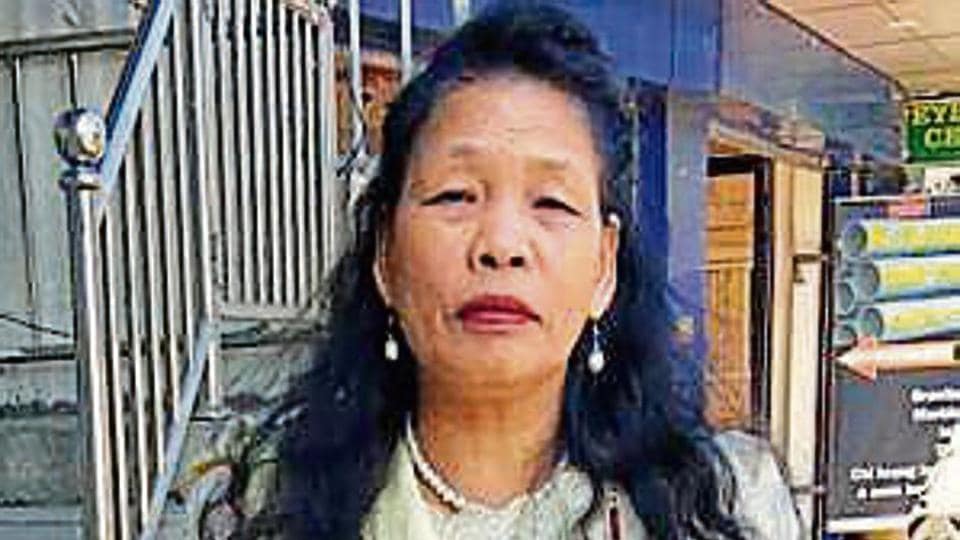
Sixty-three-year-old Lalthlamuani will be contesting as an Independent candidate against five male rivals in the constituency reserved for scheduled tribes (ST). Mizoram, which has a total electorate of 770,395, goes to the polls on April 11.
“It feels awesome to be the first woman candidate from Mizoram,” said Lalthlamuani, speaking over the phone from Aizawl, adding that she decided to contest after getting a “signal from God”.
Lalthlamuani had contested the Aizawl South-I constituency in last year’s assembly polls as well but secured just 69 votes. This time, she will contest the lone Lok Sabha seat, currently held by the Congress.
The grandmother of five runs a non-government organisation (NGO) called Chhinlung Israel People Convention (CIPC), which comprises Mizo Jews who believe they are one of the 10 mythical “lost tribes” of Israel.
A Christian-majority state, Mizoram is also home to around 20,000 Jews who claim to be descendants of these tribes and the state has three synagogues, one of them run by Lalthlamuani.
“We are fighting for our identity and I want to make sure that the voice of the lost tribe of Israel is heard at the Centre. As a woman I would like to show that even a simple woman can take on male candidates,” she said.
Although woman voters (4,02,408) outnumber men (3,81,991) in Mizoram, they don’t have enough representation in legislative bodies.
In the run-up to the November 2018 assembly polls, the state’s largest women’s organization, Mizo Hmeichhe Insuihkhawn Pawl (Mizo Women Welfare Federation), which has branches all over the state and has over 285,000 members, had appealed to women electorate to vote for women candidates. But none of the 15 candidates in the fray in the state’s 40 seats won. The previous assembly had just one woman legislator.
“In Mizoram, there are few women in senior positions in political parties. Not many women think of politics as a career option. And there’s just one parliamentary seat from the state, hence parties prefer giving tickets to candidates who have a better chance at winning,” said MHIP’s general secretary T Lalthangpuii.
The situation isn’t much different in other states in the north-east. In the 2014 Lok Sabha elections, the region elected only two women MPs, Sushmita Deb [Congress] from Silchar and Bijaya Chakrabarty [BJP] from Guwahati — both from Assam — from the total 25 seats in the eight states.
“With regards to employment and business, women in Mizoram are on a par with men. But when it comes to elected representatives, voters seem to prefer male candidates. Part of the reason could be political parities not fielding strong women candidates and also voters choosing candidates based on their political experience and winning chances rather than gender,” said J. Doungel, professor of political science at Mizoram University.