
 E-Paper



UP govt forms team to probe tiger’s death in PTR
The state government deputed a fact-finding team to probe into the death of a tiger at Pilibhit Tiger Reserve (PTR) even though the autopsy report confirmed the death due to traumatic injuries.


The state government deputed a fact-finding team to probe into the death of a tiger at Pilibhit Tiger Reserve (PTR) even though the autopsy report confirmed the death due to traumatic injuries.
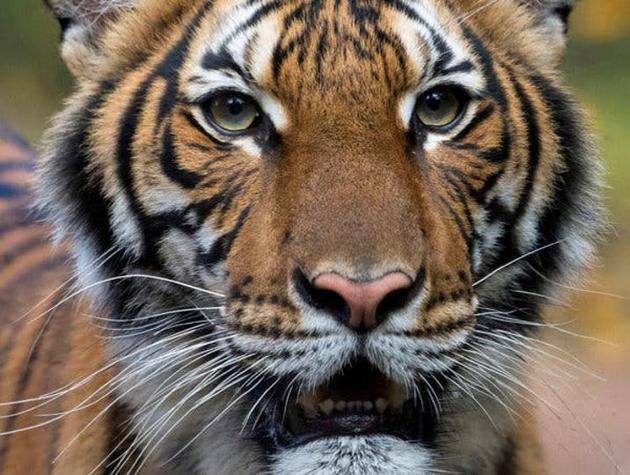
Headed by principal chief conservator of forest (Project Tiger) PK Sharma forest and comprising senior IFS officer Ramesh Pandey and Kanpur zoo vet R K Singh as members, the team visited the site of the incident in Pilibhit on Wednesday and expected to submit its report within a week.
“We will decide the line of action after the team submits its findings,” said principal chief conservator of forest (wildlife), Sunil Pandey. The five-year-old adult male tiger which had injured three villagers on Friday died 15 minutes after it was tranquillized at Jari village on Sunday evening.
While forest officials claimed that the big cat died of earlier wounds, some wildlife activists suspected the death due to overdose of tranquillizers.
The autopsy report by the centre for wildlife conservation, management and disease surveillance at Indian veterinary research institute (IVRI) has confirmed that the tiger’s death was caused by traumatic injuries in his thoracic cavity which caused excessive internal bleeding.
The autopsy report also confirmed subcutaneous contusions and haemorrhage on the dorsum of his neck, shoulder and thoracic wall, which had superficial presence of maggots. In addition to many other internal injuries, the chambers of its heart had blood clots. The tiger’s toxicological report is awaited.
“The injuries described in the autopsy clearly indicate that the tiger had been brutally beaten by humans and that the maggot wounds were at least 7-10 days old,” said B M Arora, president of Indian zoos and wildlife veterinarians.
“We’ve inspected the spot and collected important information about the tiger’s death. Our focus is on finding how the tiger was victimised with brutal beating, and why PTR officials and their field force had failed to trace the injured tiger in the wild, or identify its assailants,” said PK Sharma, in-charge of the inquiry team.
In response to whether the crippled tiger had overdosed on tranquillizers after two darts were injected into its body in quick succession, the officials said they will also examine the volume of tranquillizing substance used on the animal and whether it was excessive, given that it was injured.


