
 E-Paper



9-year-old boy dies of rabies in Mumbai hospital
The child, Sujit Wadia, had been bitten by an infected stray dog in April in Bhiwandi.


A month after two suspected rabies deaths were reported from JJ hospital, a nine-year-old boy from Bhiwandi died of the disease at Nair hospital on Monday. The boy, Sujit Wadia, had been bitten by an infected stray dog in April.
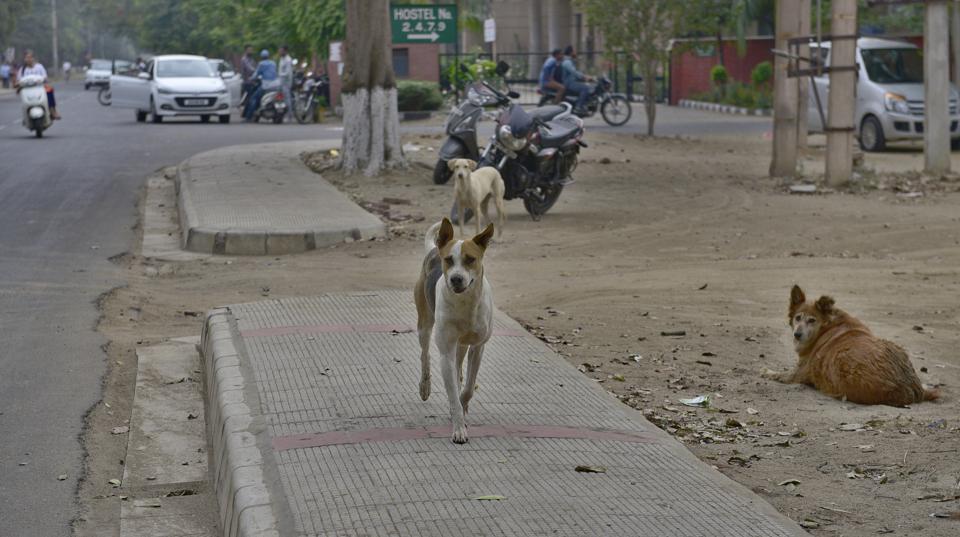
His family said he was one of the five people bitten by the same infected dog. Later the same day, the dog was killed by locals.
“Sujit had stepped out of the house, when the dog bit his back, hands and legs. Not a single hospital in the vicinity was ready to admit him, so we rushed him to Thane Civil Hospital, where he was treated in the out patient department (OPD),” said Sujit’s father Amrut.
As per treatment guidelines, the first anti-rabies vaccine must be administered soon after the incident followed by three doses on the 3rd, 7th and 28th day. However, three days before his last vaccine, Sujit’s condition deteriorated and he slipped into coma on Sunday.
The family rushed him to Thane Civil Hospital from where he was referred to Nair Hospital for further treatment.
“The patient was brought in a comatose state. According to his parents, the boy’s speech had become incoherent before he slipped into coma. However, there was no record of hydrophobia (fear of water — a common symptom in rabies cases),” said Dr Sushma Malik, head of paediatric department, Nair hospital.
Sujit was diagnosed with rabies encephalitis at Nair, which caused his death within 24 hours of admission, on Monday.
Statistically, more than 80% of those infected with the virus progress to encephalitic rabies (furious rabies), which is characterised by episodes of hyperactivity, hallucinations, agitation, confusion, muscle spasms, altered functioning of the heart, bladder, intestines, sweat glands, pupils, and blood vessels, and hydrophobia (fear of water).

Stay updated with all the Breaking News and Latest News from Mumbai. Click here for comprehensive coverage of top Cities including Bengaluru, Delhi, Hyderabad, and more across India along with Stay informed on the latest happenings in World News.


