
 E-Paper



Are Mahul’s Mumbaiites lesser citizens of the State?
The area is home to humongous oil refineries, powers stations, dozens of fertiliser and chemical plants; India’s Central Pollution Control Board tagged it as “critically polluted” years ago

 Prefer HTon Google


By all accounts, Mumbai appears to have had a quieter time and relatively less polluted air this Deepavali compared to previous three-four years. The levels were still beyond permissible limits but the polluted days passed. Temperatures have dropped, a mild winter chill is settling in. But what if the pollution was part of our everyday lives threatening our health and livelihoods, and damaging our children? What if we had been condemned to live this way all the time? That’s the story of thousands of Mumbaiites in Mahul — thrown to the margin, forgotten and forced to fight back.
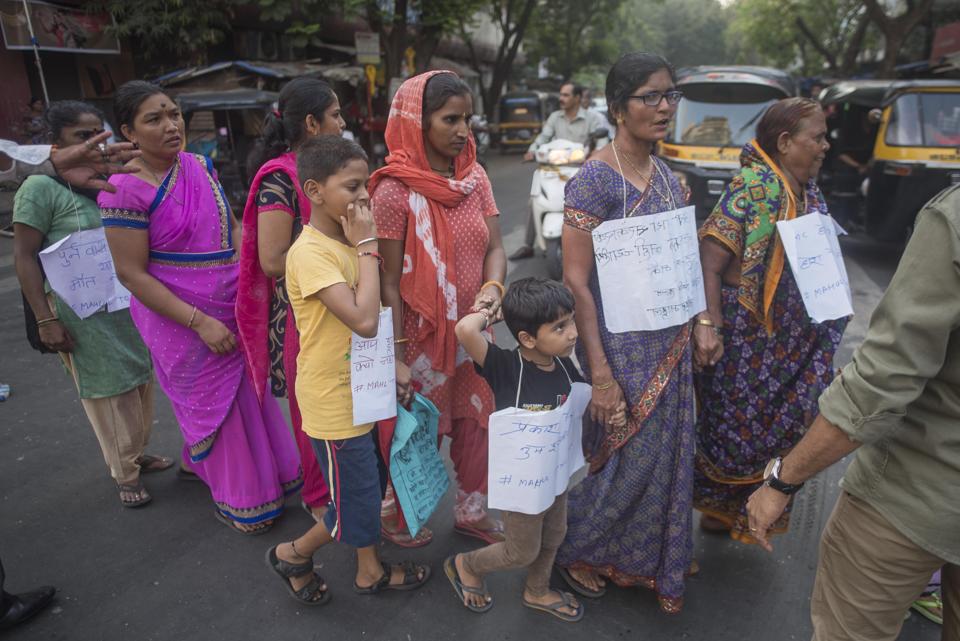
Mahul is toxic hell that sucks out life day by day. There is simply no other way to describe the locality in the eastern fringes of the city. It is home to humongous oil refineries, powers stations, dozens of fertiliser and chemical plants; India’s Central Pollution Control Board tagged it as “critically polluted” years ago; the National Green Tribunal stated it was “a highly polluted area”. It cannot be — and should not have been — home to a single Mumbaiite.
Yet, the state government decided that it could throw thousands along the Tansa pipeline in Ghatkopar and Vidyavihar which it wanted to free of encroachments and beautify for Mumbaiites into this toxic hell last year. Were they not Mumbaiites?
The maze of tens of densely-placed seven-storey buildings with barely any civic amenities such as hospitals, schools, open spaces, connectivity by road and rail was supposed to be their “rehabilitation”. The 5,500 families — nearly 30,000 residents — allotted this “rehabilitation” site resisted but were pushed there.
Over the last year-and-half, more than 125 previously healthy persons developed diseases and died, as social activist Medha Patkar pointed out to state housing minister Prakash Mehta this week.
A KEM Hospital study found that “67% residents complained of breathlessness, 86.6% of eye irritations and 84.5% experienced choking sensations frequently”. Many of them had lost their earlier jobs because it was too expensive or far to commute, a visit to the nearest civic hospital set them back by more than ₹200 each trip, schools were barely functioning. Residents repeatedly said they had been “condemned to slow death”. Any wonder that they fought back on the streets and in the Bombay high court?
The HC directed the state government this August to move them out or pay them a rental amount so they could go to a more habitable area. The government, unashamedly, told the court it could do neither. Eventually, as the rest of Mumbai prepared for Deepavali, Mahul residents escalated their battle. They laid siege to Chembur police station and were hauled up for it. They protested with placards at a venue where chief minister Devendra Fadnavis was to attend; they were arrested. They stormed Mehta’s office with prior notice only to find him missing. Finally, Mehta conceded to Patkar’s delegation this week that they could be moved to a location in Kurla till permanent rehabilitation is sorted out. It’s his word, yet to be realised.
The story about Mahul bears repetition. In it are several issues of a rapidly changing Mumbai: the gradual but deliberate gentrification of the city in a way that the underprivileged and the poorest of poor are all but banished away to dangerous and inhabitable fringes, the continuing scams and anti-people policies of Slum Redevelopment Scheme; the insensitivity of the Fadnavis government when victims came knocking at its doors, the brazenness with which the government washed its hands off such people (the rentals would not set it back by more than a few lakhs; the government set aside ₹12 crore for publicity to commemorate its fourth anniversary).
This government has received laurels for the pace and purpose with which it pursued infrastructure projects in Mumbai. But at whose cost?
This question that cannot be avoided as more and more Mahuls, of a lesser and greater toxicity but severely impairing lives of the poorest, show up. Imagine the uproar if 30,000 residents of Malabar Hill where the CM resides or tony Bandra were to breathe such toxic air, use unpotable water with layers of sludge, have little connectivity to the city. That they would not have to begs the question: are Mahul’s Mumbaiites, and lakhs of other similarly “rehabilitated” people, lesser citizens of the State?


