
 E-Paper



Autonomous education institutes can’t hike fees on their own, says Bombay high court
Court said they will have to seek yearly approval from the Fee Regulating Authority for course-wise fees charged by them


Autonomous institutions conducting professional courses will no longer have that status as far as the regulation of their fees structure is concerned. These institutes shall have to seek yearly approval for course-wise fees charged by them, after the Bombay high court on Thursday held that these institutions were also liable to be regulated under provisions of the Maharashtra Unaided Private Professional Educational Institutions (Regulation of Admissions and Fees) Act, 2015.
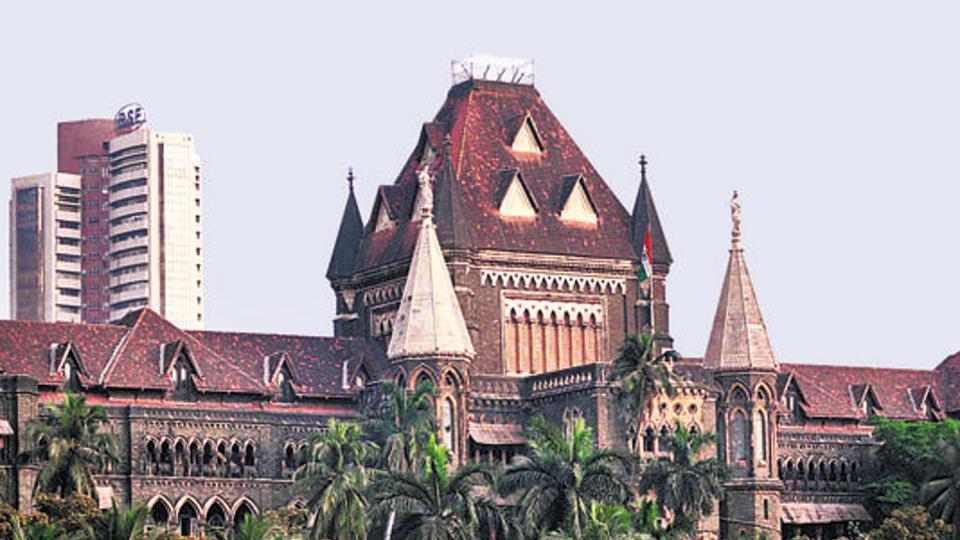
A division bench of justice Bhushan Gavai and justice BP Colabawalla dismissed petitions filed by KJ Somaiya College of Engineering, LN Welingkar Institute of Management, Development and Research and Sardar Patel Institute of Technology of Bhartiya Vidya Bhavan, challenging a decision of the Fees Regulating Authority. The authority had, on July 1, 2017, held that even autonomous institutions were required to submit the fees charged by these institutions for each of the professional course conducted by them.
The three institutions had approached high court challenging the decision, primarily contending that provisions of the Maharashtra Universities Act, 1994, and the Maharashtra Public Universities Act, 2016, conferred complete autonomy on autonomous institutions conducting professional courses – like courses in medical, dental, engineering, technology, pharmacy and management.
They sought a declaration that the provisions of the Regulation Act of 2015 were not applicable to autonomous institutions, contending that those were in conflict with the legislative intent of conferring complete administrative, academic and financial autonomy on autonomous institutions under provisions of the two Universities Acts and therefore liable to be struck down.
The bench, however, held there was no conflict between the provisions of the Universities Acts and the provisions of the Regulation Act of 2015. It noted that even the Universities Acts have imposed certain restrictions on the autonomous institutions as far as fixing and collection of fees was concerned.
For example, the bench said, the 1994 Act allows them to fix fees provided the total fee shall not exceed the amount of cost of education per student, which includes expenses incurred on salary of teaching and non-teaching staff, maintenance, rent etc., and the 2016 Universities Act talks of reasonableness of the fees i.e. fees proportionate to the facilities provided by the institutions.
The bench said even after the July 2017 decision of the authority and application of provisions of the 2015 Regulation Act, the institutions will continue to fix the fees for the courses conducted by them in accordance with provisions of the Universities Act. On the contrary, the judges said, these institutions will enjoy greater freedom if they adhere to the norms laid down under the Universities Acts.
“The only role the authority would play is to determine as to whether the fees so fixed amount to profiteering or commercialisation, or not,” the bench said.
Stay updated with all the Breaking News and Latest News from Mumbai. Click here for comprehensive coverage of top Cities including Bengaluru, Delhi, Hyderabad, and more across India along with Stay informed on the latest happenings in World News.


