
 E-Paper



CCTV cameras in Mumbai don’t prove to be of much help to police in solving crimes
Experts deem dense network of 4,717 CCTV cameras in the city insufficient


Mumbai, being a city that has initiated a CCTV surveillance network by installing 4,717 cameras to be used in policing, is still not making full use of the dense network owing to proverbial chinks in the armour. The shortcomings of the CCTV network have been brought to light during investigation of many cases including the latest molestation case of a Russian woman and the murder of Goregoan resident Brandon Gonsalves.
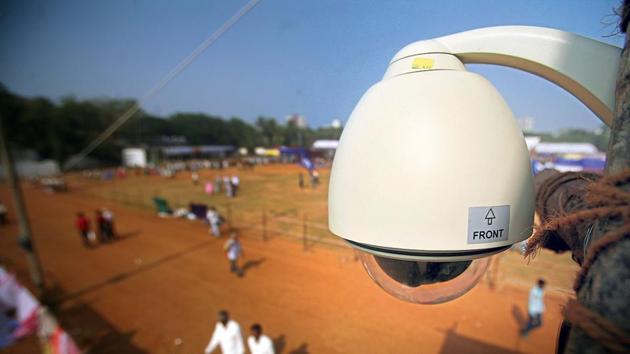
Experts have deemed the number of cameras to be insufficient for the populated city of 1.24 crore, while others have called for an audit to make better use of the network.
In the molestation case of a foreign national, which took place on November 1, the police have to rely on the description provided by the woman. The Russian national, who lives in Borivli, was returning home when a man followed her and groped her. “We are yet to make any arrests in the case,” said an officer attached with the MHB Colony police station.
When it came to Gonsalves’ murder, which happened in December 2016, the police found the CCTV footage near his house showing him leaving home. Later, he is seen in a CCTV footage near Krushi Udyog Bhavan, (The Maharashtra Agro Industries Development Corporation Limited) situated in Aarey colony, where he was found walking on the main road. The next CCTV camera does not capture him. The cameras did not capture the killers either, the police found.
“For a city like Mumbai, the number of cameras that it has is far less, taking into account the number of lanes and distance. The methodology followed in monitoring the cameras requires an extensive team. At any given point of time, there are hundreds of police personnel in the control room, which, at times, makes monitoring the network extremely difficult,” said Dolphy D’souza, convenor of Police Reforms Watch.
D’souza added the police have to mix-match technology with the human intelligence system, which has to be done by gaining the trust of police.
Moreover, local officers’ meetings with local residents in a bid to get CCTV network installed in the society premises have not met with a good response. D’souza added, “Technology has to be backed with local information networks and the element of trust, but close coordination with citizen groups is missing.”
Milind Mhaske, who is associated with Praja Foundation, said, “Installing CCTV cameras has to be done based on the data. The real data is different from the intuition of police. It has to be systemised. The CCTV cameras provide data which needs to be utilised but it is not being done. The police can easily apply this data on real time map.”
Interestingly, the GRP recently conducted an audit of CSMT which was one of the targets in the 26/11 attacks. The audit found a dire need for another 150 CCTV cameras. It highlighted that some cameras were not placed at an adequate height, while some were not placed at accurate angles. Some of the cameras were not working.
A senior official of the Mumbai police said there are plans to install more CCTVs in the city and especially in places not covered in the suburbs.

Stay updated with all the Breaking News and Latest News from Mumbai. Click here for comprehensive coverage of top Cities including Bengaluru, Delhi, Hyderabad, and more across India along with Stay informed on the latest happenings in World News.


