
 E-Paper



Glimpse at Indian matchmaking in the real world
The Netflix show is meant to be a behind-the-scenes look at how arranged matches are orchestrated.


Sima Aunty or Sima Tarapia, the woman with the starring role in the docu-series Indian Matchmaking, is being called the stuff of nightmares. The Netflix show is meant to be a behind-the-scenes look at how arranged matches are orchestrated. But it’s so carefully curated that there’s never a mention of dowry, and yet plenty of the gossip, drama, judgement and heartbreak that make any reality show work.
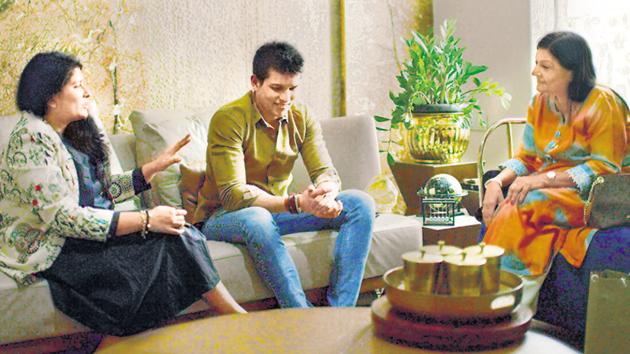
So what’s it like in the real world? How much did Indian Matchmaking get right, what did the show get wrong, and how much did they leave out altogether?
The fundamentals, it would appear, remain largely unchanged on the surface, but the details do look different. A ‘good’ education used to mean Convent school, now ‘nothing below a Masters will work’ says matchmaker Deepika Godiawala. A good family still means one with ideally no crime records, divorce records, or children born out of wedlock. A good paycheque is ‘a must’ even for women who must cease to work as soon as they marry. Young and good looking are now variable; well-cultured is still listed, but is variable too –it can mean multi-lingual, practised in the fine arts, and sometimes just money will do.
One thing that has changed is that parents’ preferences tend to take a backseat to the preferences of the offspring looking for a spouse. This can make it harder to predict the parameters, matchmakers say. “Back in the day, it was easier — girls would go for education and family background and boys would go for looks. Then you factored in job, business family etc,” says Godiawala, who ran the Parichay bureau in Ahmedabad till she retired two years ago.
The agency is now run by her protégé, Ami Shah. “Suitors are now looking for ‘matching wavelengths’ and ‘mental connection’,” she says. “It’s not easy to measure or assess such a thing from just the biodata.”
The vanity checklist — age, height, weight, complexion (read skin tone) and good looks – still holds. Caste remains a factor, as do matching horoscopes. Vegetarian or non-vegetarian or pure vegetarian has become trickier, since young Jains may eat this and that, and traditionally pork- or beef-averse communities may have offspring that are not so averse.
Type of job has become a more complex differentiator too. How many countries have you lived in? Do your ambitions include an overseas stint? These are questions that are now a significant part of the conversation.
The Taruni Shroff Marriage Bureau caters to upper-middle-class and high-net-worth clients in the Gujarati, Jain and Marwari communities and says location is a differentiator too. A family from the city and a suitor from the suburbs? There’s no point even trying to get them to meet halfway.
With HNI clients, a lot more work goes into each meeting anyway. “You have to match the location, coordinate time slots, placate larger egos,” says Zameer Shroff, who inherited the bureau from his aunt. Which party will make the first call, for instance, is highly discussed and negotiated.
The idea of the housewife is fading in this category, Shroff adds. “We’ve begun to decline to take cases if the man is looking for a homemaker and a guarantee she won’t work. It’s difficult to find such a match in the circles we work in.”
In an aside, Shroff explains the hierarchy within this slice — “First-generation share trading and diamond trading are considered volatile businesses, and if you’re a freelancer like many media professionals are today, then it’s difficult to get a match.”
“In India, marriages are breaking like biscuits,” Sima Aunty proclaims, on the show, and yet matchmakers agree universally that divorced people are far, far more difficult to match. And divorced women with children, next to impossible. “Singles over 32 are open to meeting divorcees,” says Hitesh Chhabria who runs the Soulmeet marriage bureau for Sindhis and Punjabis. “Overall, people are less picky about age. The woman doesn’t always have to be younger. Cross-ing 30 no longer moves you automatically to the back of the line.”
Where earlier only the parents would talk to the matchmaker, now the spouse-to-be often coordinates directly too. A 28-year-old woman who signed up with Shroff six months ago says she spoke to Zameer for half an hour, to explain what she’s looking for — an equal partner, essentially; someone she won’t have to babysit. She studied and worked in Australia for three years before returning home to Gujarat to join the family food processing business. Her filters include well-travelled, respectful towards service people, and able to handle a crisis in business or in life. “I’ve had a couple of virtual meetings, but it has not worked out yet,” she says.
Stay updated with all the Breaking News and Latest News from Mumbai. Click here for comprehensive coverage of top Cities including Bengaluru, Delhi, Hyderabad, and more across India along with Stay informed on the latest happenings in World News.


