
 E-Paper



MSRTC bus fare hike will come into effect from tomorrow; private bus fares likely to rise, too
State transport authority has approved an 18% hike, to help the corporation reduce its losses.


The 18% fare hike for Maharashtra State Road Transport Corporation (MSRTC) bus tickets comes into effect on Saturday. This means, your journey from Dadar to Pune on an air-conditioned Shivneri bus will cost you Rs530 instead of Rs430, and Rs290 instead of Rs253 on Shivshahi.
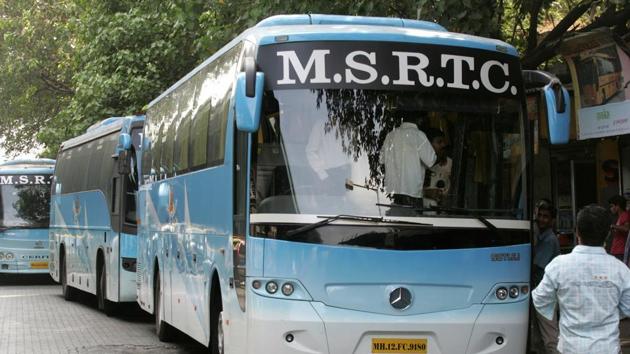
The State Transport Authority (STA), chaired by Maharashtra’s transport secretary, approved the hike on Friday, to partially mitigate the MSRTC’s financial burden, worsened by rising fuel prices and the revised wage agreement with labour unions. As a result, passengers will have to shell out Rs635 for an AC Shivneri to Nashik, instead of ₹529. Similary, your journey to Alibaug on an AC Shivshahi bus will cost Rs200 against the earlier Rs170.
The MSRTC will also round off fares in multiples of Rs5. This means that passengers will be charged Rs10 if the fare for a distance is Rs8, but ₹5, if the fare is Rs7. The corporation has taken this decision to avoid disputes between conductors and passengers over change.
The fare hike for state-owned public transport buses will burn holes in the pocket of 60-65 lakh passengers, who travel on MSRTC buses daily. It will also lead to an increase in the fare of private inter-city buses, as the state government recently allowed private bus operators to charge 50% more than MSRTC buses.
Earlier, transport minister Diwakar Raote had announced that the state will implement the revised fare from Friday, but the MSRTC was forced to postpone it in absence of approval from STA. “Earlier, MSRTC had said the hike would be in effect from June 15, but due to the delay in getting the STA’s approval, it has been postponed by a day,” said an MSRTC officer.
MSRTC is the largest public road transport undertaking in the country, with a fleet of around 18,000 buses and a workforce of more than one lakh. The corporation is expected to face an annual financial burden ₹460 crore due to increased diesel prices, and a huge financial liability of ₹4,849 crore because of the new wage agreement.


Stay updated with all the Breaking News and Latest News from Mumbai. Click here for comprehensive coverage of top Cities including Bengaluru, Delhi, Hyderabad, and more across India along with Stay informed on the latest happenings in World News.


