
 E-Paper



Mumbai University exhibits demonetised notes from across the world
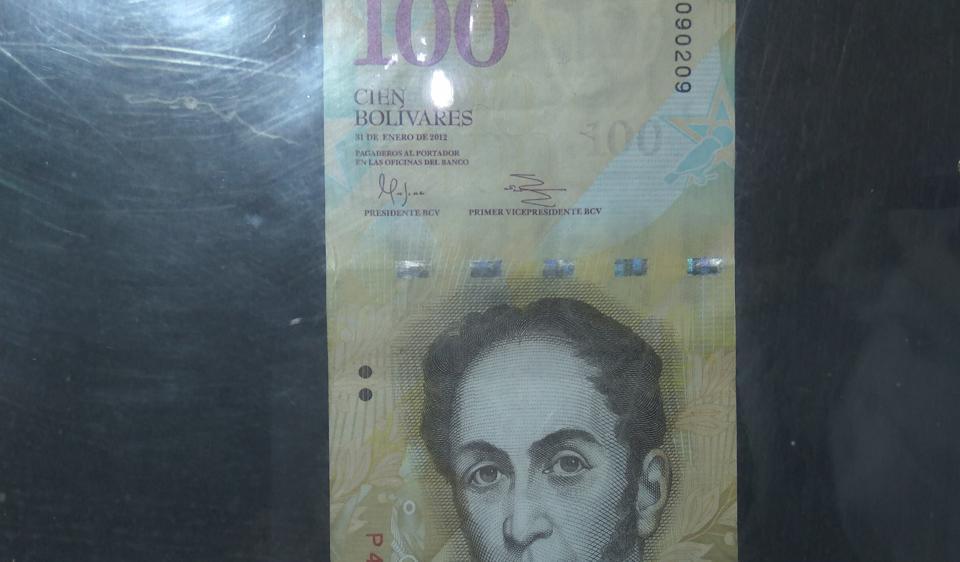
The biggest attraction in the note exhibition was Venezuelan note which will stop being legal tender from December 16 of this year.


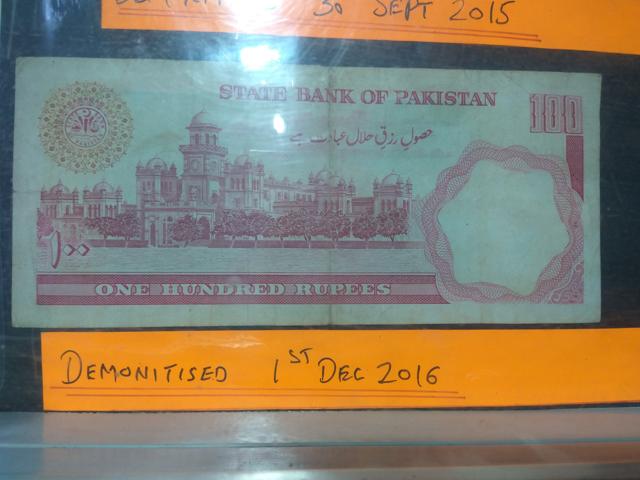
As the country grapples with demonetisation question, the Archaeology and Geology exhibition held at the Kalina campus of Mumbai University, for the first time, has exhibited demonetised notes from all across the globe.
The exhibition, organised by Centre for Extra-mural Studies and Instucen Trust, in an ensemble of art and architecture in all its forms.
The collection was created by Sanjay Joshi, an expert in study of numismatics and archaeology.
“There were many countries which have implemented demonetisation before, barring ours in 1978 by then Prime Minister Morarji Desai (who scrapped Rs500, Rs1,000, Rs5,000 and Rs10,000 banknotes),” said Joshi while adding, “Technically, ours is re-monetisation of Rs 500 notes and demonetisation of Rs 1,000 notes. Demonetisation means to stop the currency totally.”
The biggest attraction in the note exhibition was Venezuelan note which will stop being legal tender from December 16 of this year. “The best part about the ban is that the whole country is given only 72 hours to exchange their currencies. We got 50 days and people are spewing venom,” Joshi added.
The South American country will ban its 100-Bolivare note.
Sanjay Joshi, in his 30 years of collection, has notes and coins of 193 countries and does exhibitions across the world.
Enthusiasts were awestruck at the collection dumbstruck of India’s legacy depicted in coins and notes.
“We didn’t know anything about even our country and discover that our neighbours demonetised their note just some days back. It is very fascinating to know,” Aditi Shirname, a student and an enthusiast.
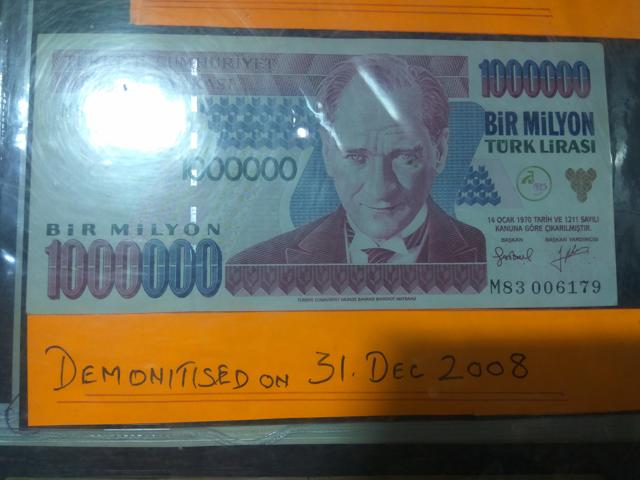
Apart from demonetised notes, there were coins that dated back to 300 BC to as new as 2011 CE and notes minted during Indo-Portuguese and Indo-British times.
“These coins and notes are a huge part of our history. Even coins had importance during that particular time,” said Parimal Modak, another student who came for the exhibition.
“There was a coin smaller than a button, inscribed in Arabic. Had we not come here, we would have remained oblivious to some great information. This helped me understand demonetisation better,” he added.
The exhibition will be continued every day till December 18 from 10am to 7pm.
Read
Modi second PM to scrap high-value notes, first to introduce Rs 2000 note
PM Modi a tyrant who has caused havoc: Owaisi on demonetisation
Paytm means ‘Pay to Modi’: Rahul hits out at govt over demonetisation
Bihar CM Nitish Kumar supports Modi’s demonetisation drive, disappoints allies
Stay updated with all the Breaking News and Latest News from Mumbai. Click here for comprehensive coverage of top Cities including Bengaluru, Delhi, Hyderabad, and more across India along with Stay informed on the latest happenings in World News.


