
 E-Paper



Mumbaiwale: Agla station, history lesson
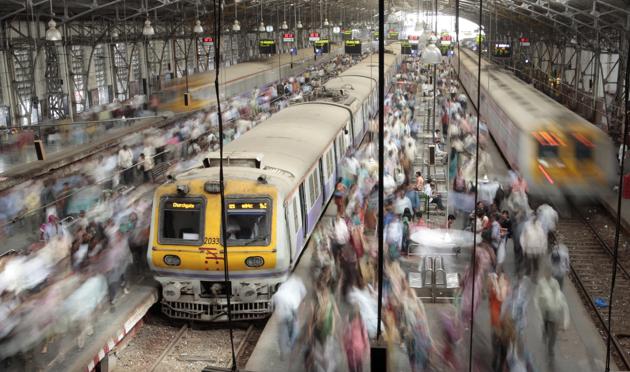
From Goddesses and governors to local trees and confusing mysteries. This is how Mumbai’s railway stations on the Western line were named


It all began with a dream. Three centuries ago, Shyam Nayak, a man from the city’s rich Pathare Prabhu community, claimed he’d been visited by goddess Shakhambari while asleep. The goddess, often called Prabhavati, and a symbol of strength, spoke of an idol of herself that had been lying in a nearby well.
Nayak woke up, began searching and found an ancient stone likeness of the goddess. The statue, legends say, belonged to a 12th century king, and was hidden in the well to protect it from vandals, and lay forgotten. In 1715, Nayak built a temple in her honour right across from the well, and there she stands today, flanked by Shakti’s other manifestations, Kalikadevi and Chandikadevi. Except, you now know her by a different name, one you’ll be using a lot if you use the local trains: Prabhadevi.
Prabhadevi joins other deities whose names have been used for Mumbai railway stations. Other stops are named for the oddest reasons, says Deepak Rao, one-time policeman, part-time author and long-time local-history buff. Take a look.
CHURCHGATE
Which church? St Thomas Cathedral, which lies east of the station, right next to Horniman Circle. Gate to what? The walled Bombay Fort. The gate stood on the path leading to the church, which gave the road the name Churchgate Street, now Veer Nariman Road. Three gates allowed access to the fort – the Church Gate was one of them.
MARINE LINES
From the Marine battalions or military units that were spread all along where Metro Cinema, Cross Maidan and Azad Maidan now lie. The officers had bungalows along Queen’s Road.
CHARNI ROAD
Back in the 1800s, the British introduced a tax on herdsmen who let their cattle graze on public grounds. Most cattle-owners couldn’t afford it. Philanthropist Jamsetjee Jeejeebhoy purchased a huge plot of land for them to graze their cattle, giving the area the name Charni Road, from the local word for grazing.
DADAR
The Marathi word now used for staircase used to indicate a kind of passageway, bridge or raised steps. The area gets its name from being filled in to connect the islands of Parel and Mahim.
MATUNGA ROAD
The local term for elephants is matang, leading many people to believe that the neighbourhood is names for the animals that once roamed the area. Matang is also the name of a caste that was spread across Maharashtra, Goa, Gujarat and Daman, so there may be a human connection.
MAHIM
The modern-day name of Mahikawati, the capital of the empire of Raja Bhim in the 13th century. Mahikawati is said to be in present-day Mahim.
BANDRA
No no, no monkeys or bandars. The word is a corruption of the local word for port or harbor, Bandora.
KHAR ROAD
Salt pans (or khadis) in the area were filled in before the station became operational in 1924, but the salty name still remains.
SANTACRUZ
The name literally means holy cross. But no one quite knows which local cross or church has christened the neighbourhood.
VILE PARLE
Like Mahalaxmi and Prabhadevi, and Jogeshwari and Ram Mandir further down the line, the neighbourhood has a holy connection. Virleshwar, dedicated to Shiva, and Parleshwar, a Ganesh temple, lend their names to the region. Parle, the biscuit company, came later.
ANDHERI
The darkest mystery on the Western line. No one knows why Andheri is called Andheri. India Post lists neighbourhoods called Andheri in Ajmer (Rajasthan), Dahod (Gujarat), Sirmaur (Himachal Pradesh) and Darrang (Assam).
GOREGAON
Ah, the white lands that come so soon after the darkness of Andheri. Goregaon station became operational in 1862 and was originally called Pahadi. Theories for Goregaon include the presence of jackfruit trees in the area (the fruit is locally called gare). Records from local churches, some going back to the 16th century, indicate the village was called Gorgam, which is closer to Gir, the word for wooded area or forest. No word yet on fair-skinned residents.
MALAD
The Portuguese called the area Malara. But no one knows why.
KANDIVLI
Possibly from khand, which means rock, in reference to a history of stone quarrying in the region. Yellow stone from Malad, the neighbouring suburb, has been used in the building of such landmarks as Chhatrapati Shivaji Maharaj Terminus, Rajabai Tower, the BMC headquarters and Bombay House, so it’s possible that the word stuck.
BORIVLI
Perhaps named for the berry or bor trees that were once abundant in the area.


Stay updated with all the Breaking News and Latest News from Mumbai. Click here for comprehensive coverage of top Cities including Bengaluru, Delhi, Hyderabad, and more across India along with Stay informed on the latest happenings in World News.


