
 E-Paper



Domestic flights at a high risk of rough landings: DGCA
The Directorate General of Civil Aviation (DGCA) analysed flight movement data of domestic airlines between 2013 and 2014 and found that most landings were not as safe as they should be.


Domestic flights are at a high risk of overshooting runways during landing, an analysis by the aviation safety regulator found.
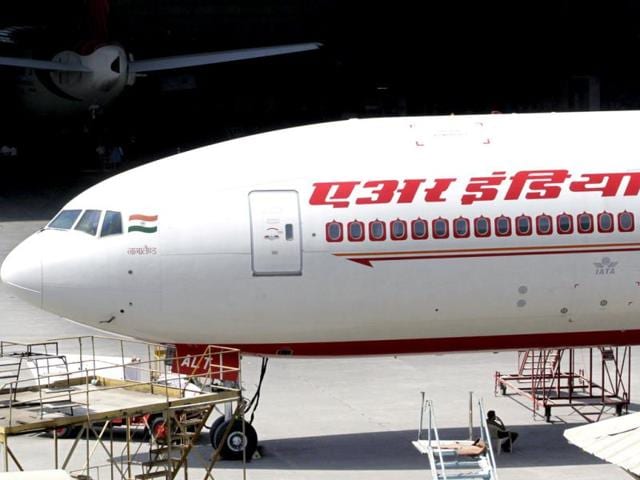
The Directorate General of Civil Aviation (DGCA) analysed flight movement data of domestic airlines between 2013 and 2014 and found that most landings were not as safe as they should be.
In 2014, 95% of unstable approaches — where the flight could have slipped off the runway — had graduated into touchdowns, even though the regulator had advised airlines to abort such approaches mid-air.
On March 27, the DGCA held an emergency meeting of all domestic airlines and shared this data, in a bid to cut down on the number of unstable landings.
“We asked airlines to encourage pilots to opt for go-arounds [when pilots abort a landing if they foresee an unsafe touchdown],” said a senior DGCA official, requesting anonymity.
An example of how an unstable approach could end is the 2010 crash of an Air India Express flight in Mangalore, which killed all 158 on board. The probe report said the co-pilot had warned the senior pilot to go-around, as he felt the aircraft was too fast to stop on the airport’s table-top runway, but the commander ignored his advice. The plane had skid off the airstrip and fallen into a gorge.
The DGCA study also showed unstable approaches graduating into touchdowns has been a concern worldwide. Recent data showed 97% unsafe approaches around the world ended in landings.
The DGCA has now reminded airlines of two existing directives to eliminate unsafe landings. One of the directives, issued in 2013, put an end to punitive action against pilots who opted for a go-around. Earlier, pilots who aborted landing in the last minute had to face an inquiry.
Similarly, in 2004, the regulator had put out a chart of the speed limits to help avoid unstable landings. For instance, the circular said flights below 10,000 feet should not exceed a speed of 250 knots.

Stay updated with all the Breaking News and Latest News from Mumbai. Click here for comprehensive coverage of top Cities including Bengaluru, Delhi, Hyderabad, and more across India along with Stay informed on the latest happenings in World News.


