
 E-Paper



HT Analysis: BMC blueprint does a turnaround, calls for vertical growth
It is important to ask what happens to Mumbai when the high FSI results in construction of thousands of flats, but the BMC is unable to keep up its end of the bargain?


By 2034, Mumbai will grow more vertical, with high-rises kissing the skies along the crisscross network of public mass transit corridors, even as business hubs like Nariman Point, BKC and proposed ones at Wadala, Kanjurmarg look like Manhattan.
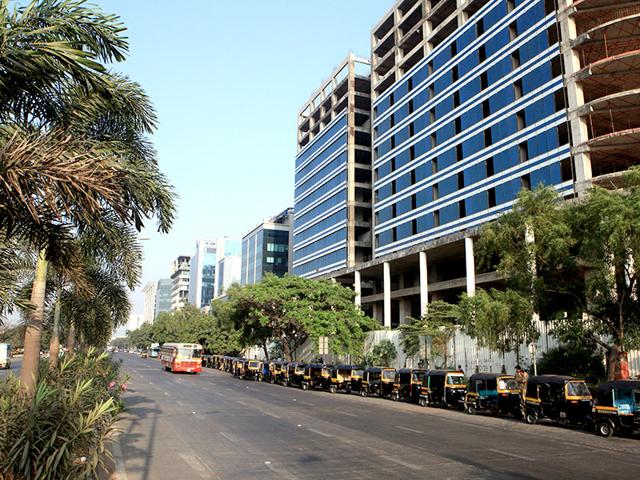
That’s the vision for city, in the Brihanmumbai Municipal Corporation’s (BMC) draft blueprint for the next 20 years. With Floor Space Index (FSI) ranging from 2.5 to 8, Mumbai will not just accommodate, but also boost growth. There will be more construction in an already congested city and hence more roads, water, sewers, hospitals and, of course, people.
This is a turnaround from a four-decade-old approach that tried hard to stunt the city’s vertical growth – by keeping the base FSI among the lowest in the world at 1.33 —in a bid to encourage decongestion.
“For years, we tried to keep city’s population under control by keeping an artificial restriction of low FSI. Now, we are being pragmatic. The population is going to grow,” civic chief Sitaram Kunte had said earlier.
In theory, there is nothing wrong with this logic. Global cities like Singapore and New York have adopted variable FSI, using it as a development tool for planning the city’s growth.
Senior official told HT the idea was to have enhanced infrastructure wherever FSI had been hiked. “This infrastructure will be funded through premium charged for the FSI. More the density, the easier it is to provide amenities. So, it is easier to provide a water pipeline for 5,000 people instead of just 500,” he said.
The problems, however, with this growth-oriented approach in a city where infrastructure is already overloaded is manifold. For starters, we don’t have inexhaustible resources whether its water (800 MLD short right now) or power.
A bigger problem is that Mumbai is not Shanghai. The BMC’s past track record in executing the development plans and providing infrastructure has been abysmal.
Only 12 to 16% (estimate figures) of what was proposed in the DP of 1991-2011 got translated into reality in Mumbai. Less than 16% of open spaces were acquired and the same goes for plots meant for public amenities.
So, it is important to ask what happens to the city when the high FSI results in construction of thousands of flats, but the BMC is unable to keep up its end of the bargain? More importantly, what happens to the plan to decongest Mumbai by developing the MMR?
And why will anyone go to the new airport when coastal roads, new metro corridors and construction boom will all lure you back to the centre?
Stay updated with all the Breaking News and Latest News from Mumbai. Click here for comprehensive coverage of top Cities including Bengaluru, Delhi, Hyderabad, and more across India along with Stay informed on the latest happenings in World News.


