
 E-Paper



Life of Shivaji in 120 paintings: Mumbai to host exhibition on Maratha king
Even as the Maharashtra government mulls building a 300-foot-high statue of Chhatrapati Shivaji in the sea off the Mumbai coast, the city will soon play host to a unique tribute to the Great Maratha.


Even as the Maharashtra government mulls building a 300-foot-high statue of Chhatrapati Shivaji in the sea off the Mumbai coast, the city will soon play host to a unique tribute to the Great Maratha.
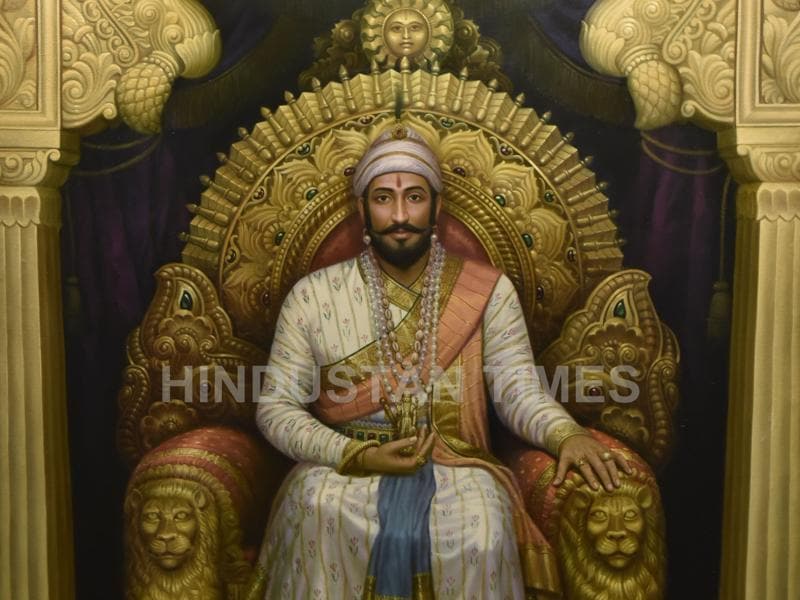
An exhibition of 120 paintings, each 9x5 feet, created under the guidance of balladeer and historian Babasaheb Purandare, whose work, ‘Raja Shiva-Chhatrapati’, fuelled popular imagination about the warrior-king, will open at the Jehangir Art Gallery in Mumbai on June 14.
“The West knows Shivaji merely as a warrior king. But he was much more than that,” Purandare told the Hindustan Times.
“He was a nation builder and he also built national character, which is greatly lacking in the people today.”
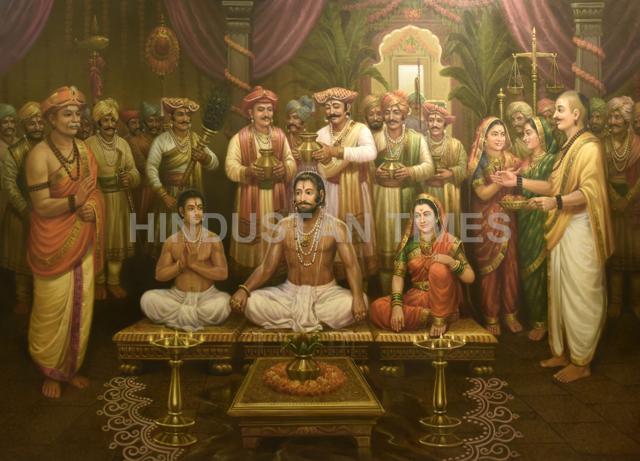
The 120 paintings are the result of 14 years of what their promoter Deepak Gore calls tapasya. The artists are the father-son duo Shrikant and Gautam Chougule, who are still giving finishing touches to some of the last canvases.
“Each painting took us three to five months. It was possible to do all this because of the rapport we had with both Gore saheb and Babasaheb,” said the elder Chougule.
Gore first read Purandare’s ‘Raja Shiva-Chhatrapati’ minutely. “I regard this as my Bible,” he said. Then he not only explained the details to the painters but took them to all of Shivaji’s forts and the landscape they were supposed to paint so that they would get a first-hand feel of what it would have been like during Shivaji’s time. This included the annual festival of Shivaji’s coronation held in Raigad each year – they visited in all seasons and sat quietly observing the grass, the flowers, the changing colours of the landscape and some costumes from those times.
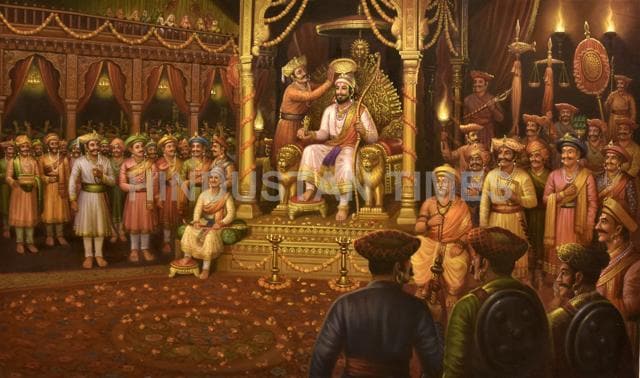
They then drew pencil sketches – like of his durbar or his shipbuilding activities or his attempt to capture of Janjira island from the African Siddis -- and sent them to Purandare in Pune. Purandare would advise them to either add or remove details from the sketches. These would then be painted in water colours on paper and sent back to Purandare to approve the colour schemes. Only then were they be transferred on to canvas.
Gore is hoping that either the National Gallery of Modern Art will offer him space for a permanent exhibition or that the government will house the paintings at the proposed Shivaji memorial at sea.
Once he gets to host a permanent exhibition, Gore plans to record a five-minute description of each painting in several Indian languages and as many foreign ones. The Indian languages will include Marathi, Bengali, Telugu, Hindi and Urdu. The western languages will be English, French, Spanish, German and Italian. Along with these audio descriptions that every tourist can listen to with ear phones, there will be guided tours at the permanent show with experts explaining the aspects of Shivaji’s life from the paintings.
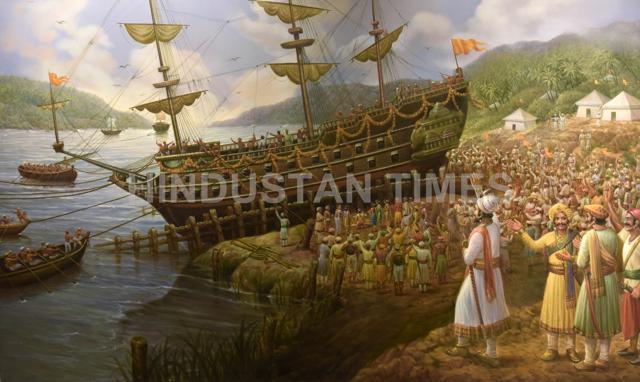
The project was result of a chance viewing by Purandare of a replica of an old masterpiece in an Indian home in the US. When he remarked on the perfection of the unsigned copy, he was directed to Gore.
They met in 2000 when Gore was then in charge of the Old Masters Project initiated by the late hotelier Jehangir Wajifdar to help impoverished painters. The Chougules were among those who replicated the works of the old masters under this project.
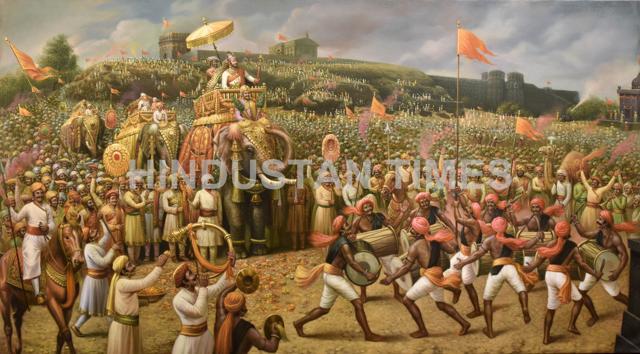
The conversation Purandare and Gore had led to the Shivaji project. “Just books are not enough. The visual imagery is absolutely necessary to bring home to people what Shivaji really was,” says Purandare. Hence the huge size of each painting to capture every minute detail.

Stay updated with all the Breaking News and Latest News from Mumbai. Click here for comprehensive coverage of top Cities including Bengaluru, Delhi, Hyderabad, and more across India along with Stay informed on the latest happenings in World News.


