
 E-Paper



Ramps, hand-rails to make Mumbai disabled-friendly
The new DCR recognises seven categories for the disabled — blindness, low vision, leprosy, hearing impairment, locomotor disability, mental retardation and mental illness.


Taking note of the demands made by activists, the Brihanmumbai Municipal Corporation (BMC) has added various provisions to the revised development control regulations (DCR) 2034 to make the city disabled-friendly.
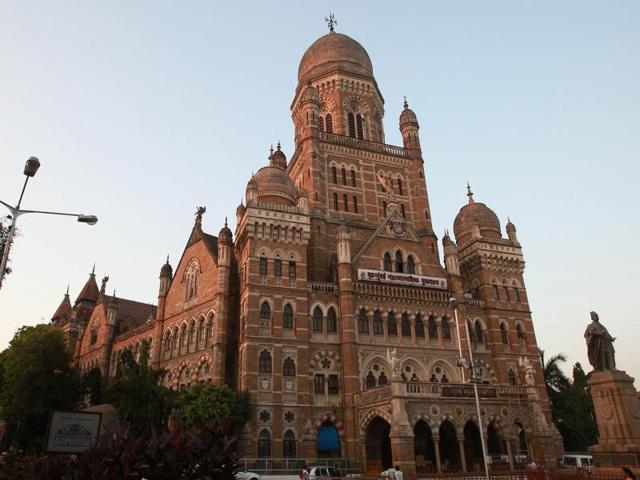
Unlike the DCR 1991, in the new rules, the BMC plans to create kerb ramps, drop-off zones, hand-rails, access path and parking spaces in buildings with a built-up area of more than 2,000 sqm. The regulations have also specified the kerb ramps and drop-off zones must have a slip-resistance surface for easier access for the disabled. It states buildings must have a lift for wheel-chair users and an audio announcement system in the lifts. The DCR also advises against the usage of revolving doors in buildings, but if necessary the doors must be designed to fit a wheel-chair.
The new DCR recognises seven categories for the disabled — blindness, low vision, leprosy, hearing impairment, locomotor disability, mental retardation and mental illness.
While activists have welcomed the move, they say the BMC needs to address more issues. Sagar Sodah, a visually challenged activist, said, “The DCR has addressed issues related to visual impairment and wheel-chair users to some extent. However, other disabilities should also be taken seriously. We had demanded flat footpaths with no obstructions. It has not been mentioned clearly. We will be sending our observations to the planners soon.”
According to the World Health Organization (WHO) data, 10 per cent of the world’s population lives with a disability and most of them live in developing countries. According to the 2011 census, 3 per cent of India’s population is disabled. Activists, however, allege the percentage should be higher as most cases are not reported owing to social stigma, especially in rural areas.
Aravind Prabhu, president of Access for All, an organisation working towards better transportation for the disabled, who is also wheelchair-bound, said, “Most of the demands were accepted. Now the BMC must ensure an audit for implementation of these provisions.”

Stay updated with all the Breaking News and Latest News from Mumbai. Click here for comprehensive coverage of top Cities including Bengaluru, Delhi, Hyderabad, and more across India along with Stay informed on the latest happenings in World News.


