
 E-Paper



2019 shows why achieving 1.5 degree C, not 2 C, is must to fight climate change
That 2019 has not been a good weather year is an understatement. If the present trend continues, the year is heading to become one of the most disastrous, at least in the past two decades, in affecting people.

 Prefer HTon Google


The United Nations climate action summit in New York on September 23 provides a unique opportunity to global leaders to enhance their commitments under the 2015 Paris Agreement. A lot has changed since the agreement was signed as the ferocity of climate change-induced weather events are much more visible now than before.
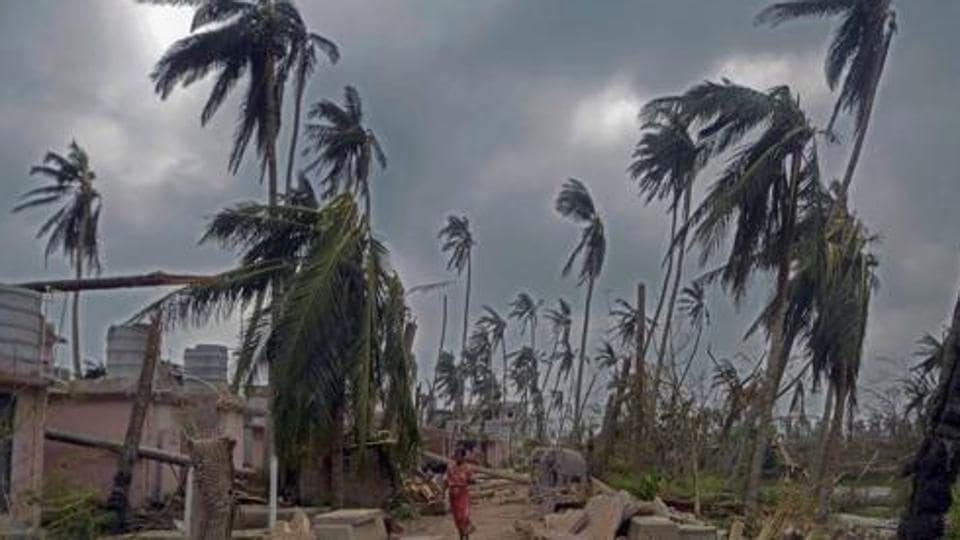
That 2019 has not been a good weather year is an understatement. If the present trend continues, the year is heading to become one of the most disastrous, at least in the past two decades, in affecting people. The World Meteorological Organisation’s long-term data shows that the world is warming at a much faster pace than earlier anticipated and rainstorm fury has intensified manifold.
According to the Internal Displacement Monitoring Centre in Geneva, extreme weather events displaced a record seven million people globally in the first six months of this year. Close to 5,000 people have died due to floods, heat waves and storms till end of August, shows ourworldindata.org, a website that monitors disasters across the world.
Cyclone Fani in May in Bangladesh and India led to the displacement of 3.4 million people; Cyclone Idai in southern Africa in March killed more than 1,000 people; and there was flooding in Iran in March and April that affected 90% of the country, the centre said, mentioning just few of the major extreme weather events this year. The centre estimates that by end of this year around 22 million people (excluding India) may get displaced because of the disasters inducted by climate change.
In India, the estimate derived from government data indicates that more than 1,500 people have died because of floods and heat waves and close to 5 million have been displaced till mid-September. Every part of the country has been affected. Extreme cold in January and February hit the Himalayan region, followed by temperatures soaring to about 50 degree Celsius in the plains of northern and central India in May and June, and then ravaging floods in July and August than hit 12 big states affecting over 100 million people in some way. To make the matters worse, the extreme rain events in 2019 doubled as compared to 2018.
The data clearly shows that the Paris climate treaty’s modest goal of limiting the temperature rise to below 2 degrees Celsius of pre-industrial levels by 2100 will help fight the crisis. The 1.5 degree Celsius is just an aspirational goal in the Paris Agreement. A plethora of scientific studies have shown that the world needs to target temperature rise to 1.5 degree Celsius or less to keep the ferocity of these extreme weather events under control. There is enough science available to show how a high temperature rise can devastate the planet and its people but policymakers and politicians have conveniently ignored the warning, with some saying climate change is not real.
Vouching for 1.5 degree target does not mean additional economic or social burden on the developing world. The richer and the more developed nations need to bear the financial burden for historical contribution to 80% of accumulated carbon emissions and follow the United Nations principle of Common But Differentiated Responsibility (CBDR), under which all nations work to combat climate change but the richer nations take extra measures.
So far, the richer nations have tried to shirk from their responsibilities. In fact, the rich countries are not on track to meet its Paris commitment of providing US $100 billion for the Green Climate Fund by 2020. The world since 2015 had lost US $382 billion because of the natural disasters, half of which has been caused by extreme weather events, says ourworldindata.org. To rub it further, the rich countries are seeking more assistance from the emerging economies saying they are now the biggest contributors. In the climate debate, setting aside historical responsibility would be a sin.
The agenda for the world leaders at the UN climate action summit in New York from September 23 is clear—they should agree for better funding from the developed world, including technology transfer, and urge parties to work for achieving the 1.5 degree Celsius goal. The need of the hour is to stimulate a process to advance the review of nationally determined commitments to sometime in late 2019 or early 2020 from 2023-24.
The world leaders also need to find a mechanism to fund vulnerable countries to deal with impact of extreme weather events (called Loss and Damage mechanism), which in 2019 has left around five million people in India and around 10 million across the world homeless. Such funding will help the poor and deprived to cope with the heightened vagaries of climate change.
The UN climate summit is a golden opportunity for global leaders to set the agenda for conference of parties under United Nations Framework Convention on Climate Change (UNFCCC) in Chile from December, and show the people of the world that the leaders are serious about tackling climate change. A declaration at New York on 1.5 degree Celsius can help climate negotiators in Chile to draw a road map for achieving the target.


