E-Paper



A crisis of artifice: Makeup, body image, and choice
If a pre-teen won't face the world because of skin/hair imperfections, the gains of feminist movements been squandered, and there's a much bigger crisis at hand

 Prefer HTon Google


“Cosmetics are not going to be a mere prosaic remedy for age or plainness, but all ladies and girls will come to love them … Artifice, sweetest exile, is come into her kingdom.”
When Oscar Wilde or anyone in his circle speaks on society, everyone listens. Being wittingly prophetic seems to have been the only qualification Wilde looked for in the dandies around him. Max Beerbohm, essayist and drama critic, clearly met the cut-off, if the line above is to be believed.
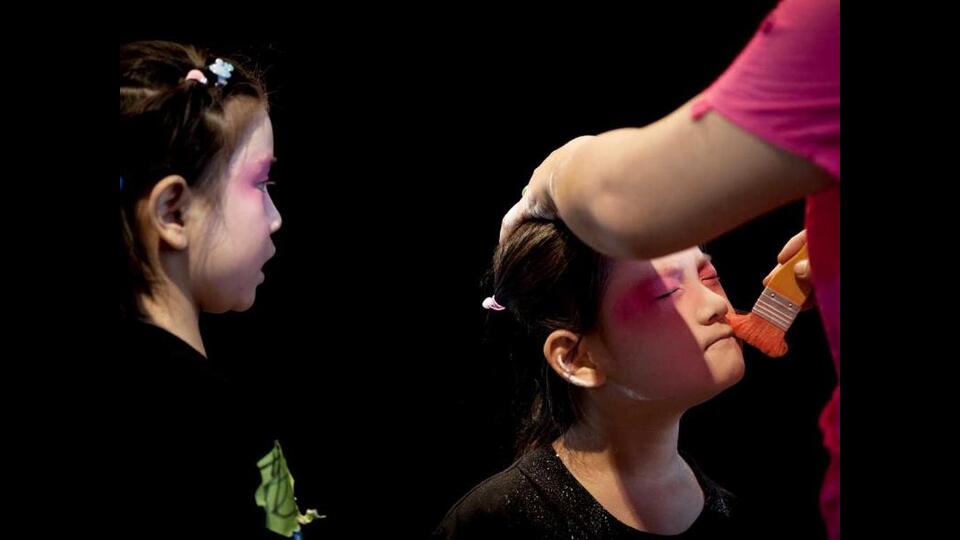
A sesquicentury later, girls as young as ten, refusing to step out to school without a layer of makeup to hide their skin imperfections, are proving the Maximilian adage correct. Feminist mothers are hapless against this assertion of free will by pre-pubescent young ladies who have already mastered the emancipation vocabulary quite admirably.
How does one even get to the essence of the aesthetic debate about beauty and worth and virtue when the rubrics are already decided by performativeness? In a grotesque parody of Charles Baudelaire’s ideas on the job of makeup and other artifice as serving beauty, we are seeing an unprecedented — aided ably by technology — fear of facing the mirror. When Baudelaire wrote in In Praise of Cosmetics (1863), “External finery … is one of the signs of the primitive nobility of the human soul,” did he foresee this epidemic of soullessness, real and imagined?
Lest the author be now declared anti-cosmetics philistine, this essay does not take a moralistic stand on beauty aids — makeup, surgeries, or even social media filters.
Questions, however, need to be asked on whether vanity — fuel for human ingenuity in some ways — has become the defining feature of our times in all possible manifestations. Had vanity stayed within the ambit of joy, it would still be defensible. But its descent into the nadir of hopelessness is worrisome. When young girls with youthful skin find it impossible to step out of their room because of a pimple on the cheek, it is not vanity alone. The inability to see the human body as, well, a living and breathing body and not a static statuette carved by a maestro is an epidemic.
In the 18th century, Alexander Pope, like many of his predecessors and contemporaries, satirised the manners of the aristocracy in The Rape of the Lock. Belinda, the heroine, is described as a Homeric or Virgilian protagonist, whose cosmetic routine parodies the arming of a war hero. It is a bad omen when she spots a pimple on her nose. Decades, if not centuries, of feminist discourse have attempted to rid women of the arbitrariness of beauty standards on the one hand, and the patriarchal pressure to appear perfect, no matter what, on the other hand.
If a pre-teen finds it impossible to face the world because of the “imperfections” of the skin or hair, not only have the gains of these feminist movements been squandered, there is a much bigger crisis at hand. Paradoxically, the young are also armed with the vocabulary of empowerment, where “choice” figures prominently. The choice here is the rejection of the body per se in favour of an artificially created visual barrage of someone’s body utopia that has become everyone’s utopia.
The dependence on external aids to control the body seems to have gone too far. Elaborate skincare routines for young and supple skin, waist-cinching innerwear, enhancement and shaping surgeries, are all elements of the same basket of the inability to come to terms with the body that does not fit arbitrarily constructed parameters. Cosmetic capitalism has also sneakily established itself on the real estate of health and wellness.
What emerges from this genealogy of makeup is not a debate about mere ornamentation but about the very language through which subjectivity is lived and recognised. Artifice has hardened into an obligation, almost a disciplinary demand that negates precisely the freedom it purports to offer. To think philosophically about makeup, then, is to see it not as ornament but as symptom: of how manufactured consensus imagines beauty and how the body becomes a battlefield for anxieties about worth, mortality, and belonging. Unless the terms of this aesthetic compact are renegotiated, the mirror will remain less an invitation to self-recognition than a summons to perpetual self-erasure.
Who dares to hold up the mirror, then?