
 E-Paper



Jai Bhim captures the essence of our constitutional duties and rights
With the release of Surya’s Jai Bhim, Tamil cinema has added yet another sensitive film to the list of socially responsible cinema and also provided further heft to the slogan

 Prefer HTon Google


The year 2021 has been a substantive year for the call — “Jai Bhim”. It has emerged as one of the popular slogans in the mainstream social and cultural spheres; in November, a global info-entertainment app called Jai Bheem will be available for smart phone users. This app promises to connect local talent and promote them at the national and international levels. Further, a high-budget Punjabi-English animation film (Jai Bheem) is scheduled for release in January. The film’s trailer has gone viral with more than 40 million views on YouTube.
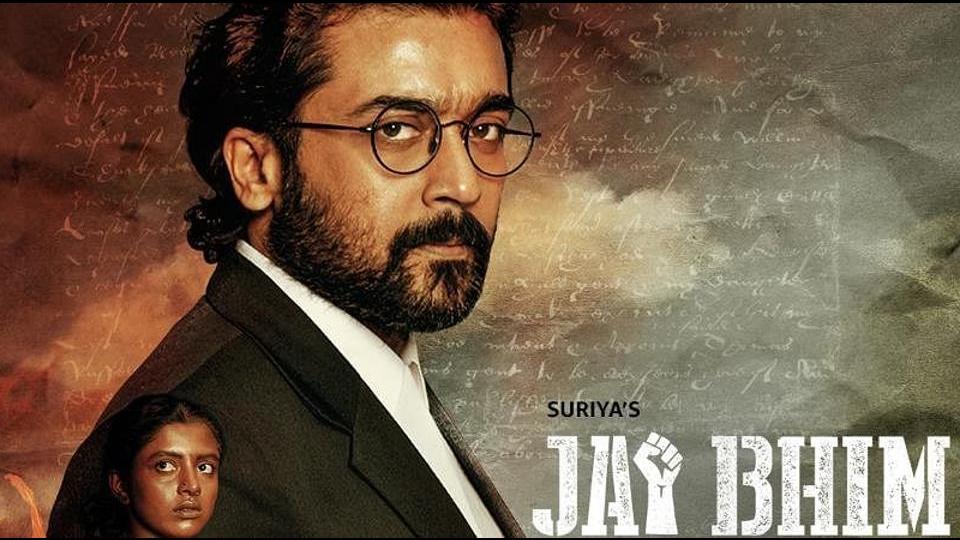
With the release of Surya’s Jai Bhim, Tamil cinema has added yet another sensitive film to the list of socially responsible cinema and also provided further heft to the slogan. The film goes beyond the stereotypical assessment of “Jai Bhim” as a Dalit slogan and presents it as a national symbol for justice, dignity, and equality. It connects the audience to Babasaheb Ambedkar’s vision of modern India and shows how State institutions have failed to protect the life and dignity of vulnerable sections of society.
The socially marginalised communities had welcomed the Constitution of India, hoping that it would emancipate them from the brutal class exploitation and precarious social conditions. It is well known that a large population of the country, mainly the Dalits and the Adivasis, were condemned to survive under the coercive Brahmanical caste system and feudal exploitation. The pre-modern social order had valorised the power and authority of social elites and was discriminatory towards Shudhras, Dalits, and Adivasis. They were treated with demeaning signifiers and were not allowed to perform their acts as free beings.
Ambedkar’s dream
Ambedkar envisaged that modern India would be different. He expected that the new nation would divorce the hellish social order and adopt fraternity, social respect, and protection of individual dignity as its foundational values. The Constitution directs public institutions to be fair and accommodative towards the socially marginalised groups and deliver justice without prejudices.
Jai Bhim reminds the audience about Ambedkar’s ideal modern India, and showcases how in the post-Independence period, State institutions have overtly served the interests of social elites and violated the basic rights of the poor marginalised sections. The movie is a sincere critical reflection on the failure of the police system and unavailability of the judicial processes to the worst-off communities, mainly the aboriginal tribes.
The film is based on a true incident and narrates the crisis and tragedies that the poor and illiterate people of Irular tribes face in the rural districts of Tamil Nadu. It demonstrates how for marginalised communities, the police is another name of horror. The local police officers show complete defiance of legal provisions, perpetuate extreme torture and violence over the victims, and do not hesitate to commit murder. In the face of these criminal policemen that are protected by the State institutions, caste networks and strong coterie of lawyers, poor Adivasis are helpless. The dominant elites condemn them as unwanted aliens and, therefore, they are dispensable. They get no support from the institutions that otherwise vouch for the welfare of the poor classes.
The police, judiciary, media, universities and legislative bodies are supposed to be ideal places that will execute the constitutional directives and treat every person as an equal citizen. It is expected that State’s institutions should protect the vulnerable sections and prioritise their welfare. In contrast to such expectations, these institutions fail to perform their duties, and the Brahmanical prejudices against marginalised communities continue.
Jai Bhim acknowledges that the executive and the judiciary have failed to bring substantive transformation in the socio-economic condition of the people, especially in elevating the Dalits and the Adivasis from their precarious locations. However, the vision for a better society is still alive, and social activists such as Chandru, the protagonist in the film, are struggling towards that goal. Chandru is aware that powerful social elites have corrupted the crucial aspect of the administrative and judicial processes. However, he shows heroic determination to fight and achieve justice. Interestingly, the film also shows that sections within the police and the judiciary stand in defence of human rights.
Jai Bhim captures the essence of our constitutional duties and rights. It advocates freedom and equality for all and promises to carry relentless struggles against Brahmanical and feudal authorities to establish a fair and just society.
Harish S Wankhede is assistant professor, Centre for Political Studies, Jawaharlal Nehru University.
The views expressed are personal


