
 E-Paper



Make presumed consent the standard for organ donations
Organ donation is the ultimate act of humanity. One donor can save up to eight lives by donating their heart, lungs, liver, kidneys, pancreas, and tissues.

 Prefer HTon Google


In the last decade, India has made bold strides in health care. Yet when it comes to organ transplantation, unfortunately, a silent crisis continues to claim thousands of lives. Organ Donation Day, which fell earlier this week, was yet another reminder for us to take action to urgently address the need for organ donation on a larger scale. Nearly half-a-million Indians die every year waiting for a life-saving transplant due to the unavailability of organs.
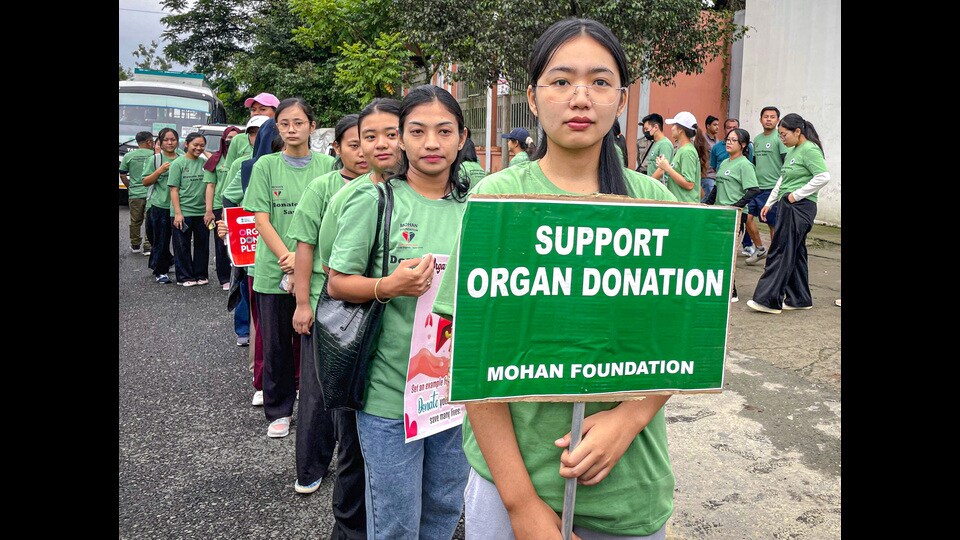
We have the medical expertise, and what we need now is a collective will at a national level to bridge the gap between organ supply and demand. The gap between patients’ needs and organ availability and transplantation in India shows the need for urgent change. Around 200,000 patients with end-stage kidney disease, 50,000 patients with severe liver failure, and 50,000 patients with severe heart disease require a transplant to save their lives. Against this, only around 1,600 kidneys, 700 livers, and 300 hearts are transplanted each year. Every day, at least 15 patients die waiting for an organ.
Every 10 minutes, a new name is added to the transplant waiting list, each life hanging in the balance. Fewer than 5% of patients with end-stage kidney disease receive a life-saving kidney transplant. The situation for heart and lung patients is even more dire.
Despite our world-class transplant surgeons, India’s organ donation rate remains among the lowest in the world — only 0.65 donors per million population. By contrast, countries like Spain and Croatia have donation rates of over 30 per million. This disparity shows that the shortage of organs in India is not just a medical limitation but also a societal and policy challenge.
Organ donation is the ultimate act of humanity. One donor can save up to eight lives by donating their heart, lungs, liver, kidneys, pancreas, and tissues. To donate one’s organs so that others may live is perhaps the noblest legacy one can leave. The story of Sanjay Kandasamy is a reminder of what is possible. In 1998, as a 20-month-old infant with end-stage liver failure, he underwent a liver transplant at Indraprastha Apollo Hospitals. His father donated a portion of his liver. Today, Sanjay is a practising doctor saving lives. This is not just a story of science but is a story of second chances, of renewal, and of life itself.
A persistent challenge is that families often refuse to give consent for organ donation, even when it aligns with the donor’s own wishes. This has to change with awareness campaigns and policy changes. It is critical to have compassionate communication with the potential donor’s family to reduce the refusal rate for organ donation.
One bold policy step would be adopting a ‘presumed consent’ system for organ donation, as countries such as Singapore, Croatia, Spain, and others in Europe have done. Under presumed consent, every adult is presumed to be an organ donor after death, irrespective of their relatives’ decision, unless they have explicitly registered their decision not to be. In Europe, the presumed consent policy has been found to have a positive impact on donation rates, with an increase in organ donations and willingness to donate organs.
The time has come when we must no longer allow our people to die for want of an organ. The gift of life must become a national priority, and with the right collective action, we can step into a future where every Indian who needs a transplant has a real chance to receive one.
Prathap C Reddy is founder-chairman, Apollo Hospitals Group. The views expressed are personal.


