
 E-Paper



Mind the Gap: Racing against the clock: Can Indian origin nurse Nimisha Priya be saved?
Time is running out for Nimisha Priya, the nurse from Kerala on death row in Yemen reportedly scheduled for execution on July 16. Can she be saved?

 Prefer HTon Google


Time is running out for Nimisha Priya, the nurse from Kerala on death row in Yemen. The date for her execution has been set for July 16; it was communicated by the director general of prosecution to the superintendent of the Sana’a prison where Nimisha is lodged, according to media reports. It seems only a Hail Mary can save her.

That hasn’t stopped hectic negotiations and a frantic race against time.
‘Optimistic’ is how those negotiating on her behalf said they felt. On Friday, Samuel Jerome, an Indian based in Yemen who is on the Save Nimisha Priya International Action Council, a group of around 90 NRIs from some 30 countries and holds the power of attorney for Nimisha’s family, said he is ‘optimistic’ but could not reveal details of the crucial negotiations with the Yemeni representatives.
A day earlier on Thursday, a two-judge Supreme Court bench responded to an urgent petition filled by the Save Nimisha Priya Council and asked the government of India to inform it of the steps it is taking. The next hearing is set for July 14, two days before the scheduled execution.
Alone in Yemen
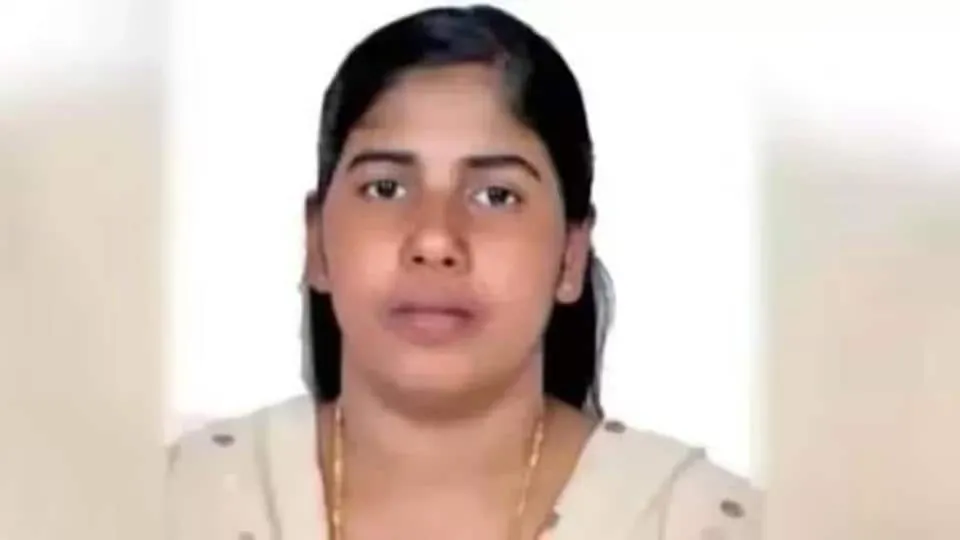
Nimisha was convicted of murdering Talal Abdo Mahdi, her business partner with whom she had set up a clinic. She says Mahdi was physically, sexually and financially exploiting her, claiming she had married him even though she was already married and had a daughter back home in Kerala.
There was no way for her to return home since Mahdi had withheld her passport. In 2017, she filed a police complaint but was instead arrested and jailed for six days. It was in jail, she says, that a warden suggested sedating Mahdi, so that she could retrieve her passport and leave. But an accidental overdose led to his death.
Civil strife had broken out in Yemen in March 2015 and the Indian government had issued a travel ban. Nimisha was stranded in a foreign country in 2020 when she was sentenced to death by a trial court. “She is a victim of war, denied justice, denied a lawyer and had nobody to assist her due to internal conflict in Yemen,” her lawyer and migrant rights activist K R Subhash Chandran said. She was made to sign several statements in a language she did not know.
The death sentence brought with it media attention for the first time. But in 2023 she lost her appeal in the Supreme Council and in 2024 Mahdi al-Mashat, president of the rebel Houthis’ Supreme Political Council signed her execution orders. There was one caveat: If Mahdi’s family accepted blood money she could be pardoned.
The Save Nimisha Priya Council has reportedly raised US$ one million, much of it thanks to the generosity of M A Yusuff Ali, chairman of the Lulu Group International. Another businessman, jeweler Boby Chemmanur is also reported to have promised to contribute financially to her release.
But, said Chandran, the offer of blood money has neither been accepted nor denied. “There is some difference of opinion within Mahdi’s family,” he said. “We are in touch with several Yemeni community leaders who are optimistic about the outcome.”
Babu John of the Save Nimisha Priya council who worked as a project manager for an oilfield in Yemen from 2000 to 2015 is also cautiously hopeful. “We are in talks with the family through tribal leaders who are mediating,” he said.
Nimisha Priya’s mother, a domestic worker who travelled to Yemen in 2024 with special permission from the Delhi high court, remains in Yemen, waiting and hoping.
Precarious position
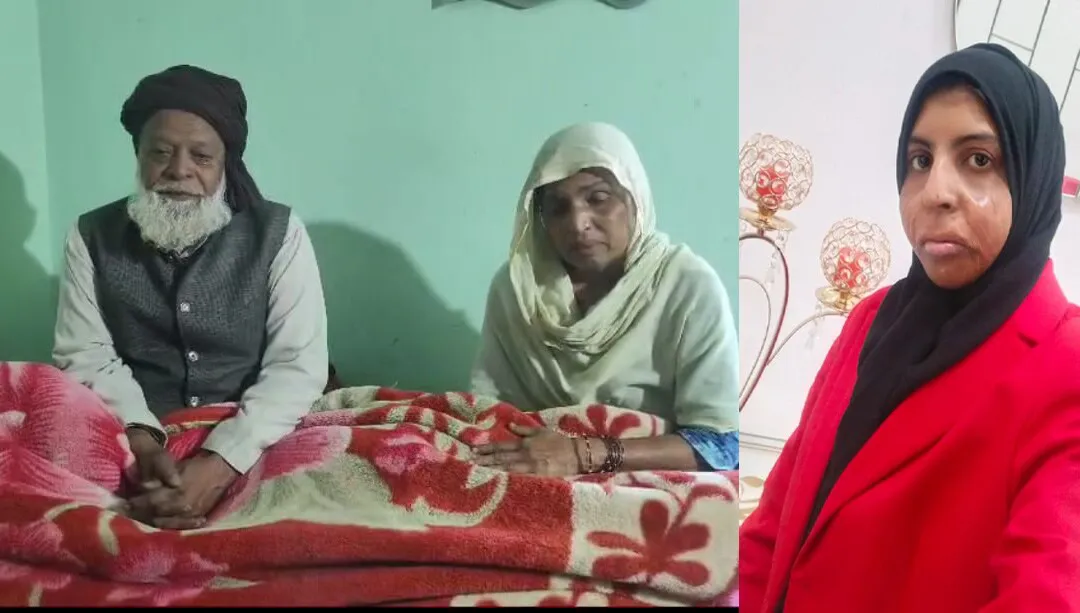
On February 15 this year, Shahzadi Khan from Uttar Pradesh’s Banda district was executed in the UAE on charges of murdering her employer’s four-month-old baby in early 2023.
Shockingly, news of her death was confirmed only on March 3 after her father Sabbeer Khan filed a petition in the Delhi high court seeking information about her well-being.
The family had spoken to Shahzadi on February 15 and hadn’t heard from her since. “No authorities came forward to assist us. We have been tirelessly reaching out to local, state and central authorities for help,” her father was quoted in news reports. “We all failed to save her.”
Adds Subhash Chandran: “There is complete insensitivity of officials and politicians in these cases.” Exploitation of poor migrant workers is widespread and when they run into legal trouble, there are linguistic issues that become difficult to negotiate.
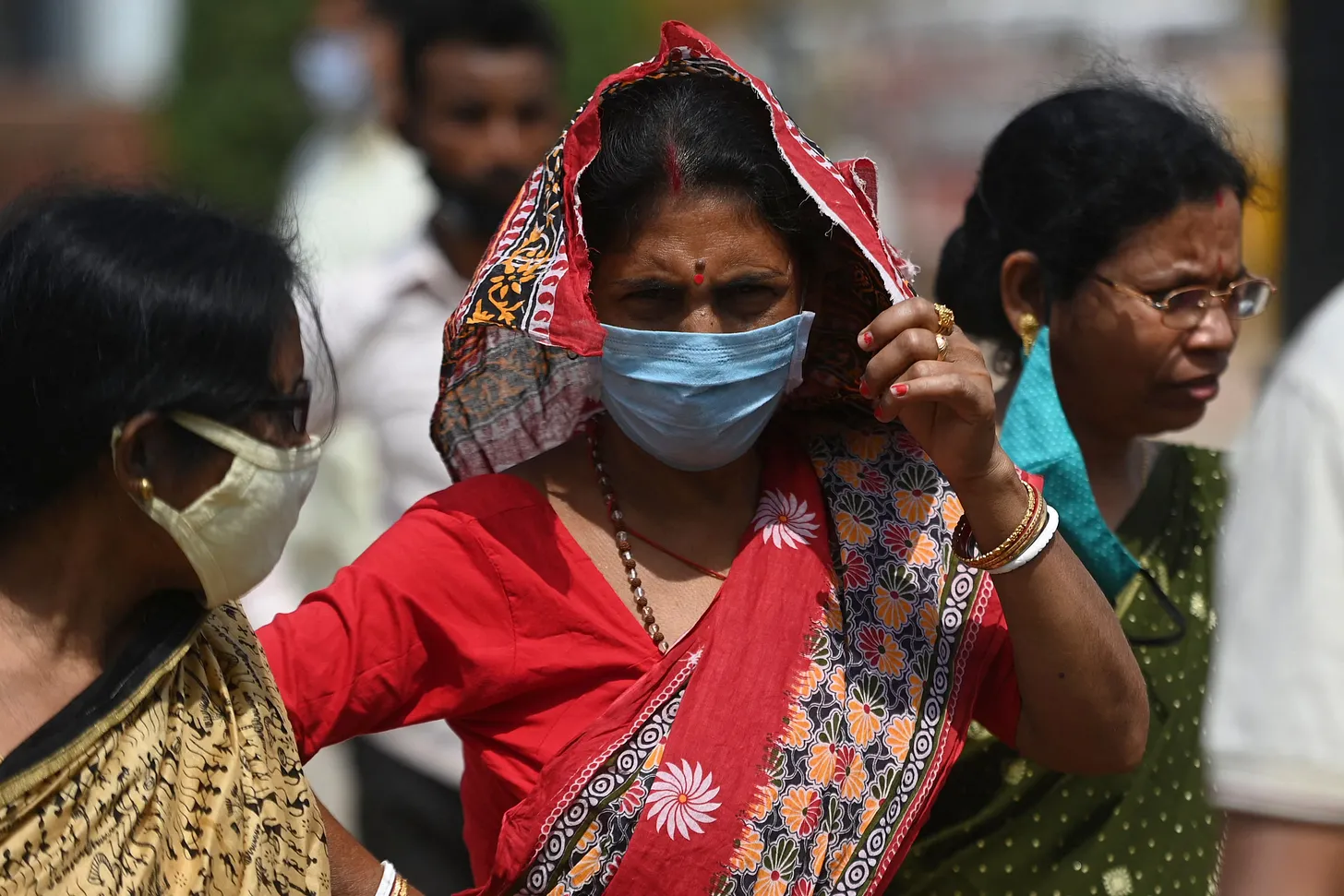
As of 2023, there were 13 million Indian migrants abroad, 8.9 million in the Gulf countries alone. Many have a kafala system in place under which employers retain passports and other important documents of their employees. Workers live in cramped dormitories, work long hours and cannot change jobs without their employer’s consent. The system leads to work conditions that the International Labour Organisation calls a “contemporary form of slavery”.
For women migrant workers, the conditions can be even more severe. Domestic workers often live with their employers and can be subject to unreasonable work hours with very little rest as well as violence, even rape. Reporting abuse can led to detention—which is what happened to Nimisha Priya—or deportation with salaries withheld.
“Too often we hear the same stories of extreme overwork and isolation, of degrading living conditions, and of cruel and criminal abuse—verbal, physical and sexual—at the hands of private employers behind closed doors,” a June 16 Human Rights Watch open letter noted of working conditions for women migrants in Saudi Arabia, a country where the kafala system continues to be followed.
In 2020, an Amnesty International report on migrant domestic workers in Qatar found that half the 105 women interviewed worked more than 18 hours a day and most had never had a day off. About a third described being insulted, slapped or spat at.
Overseas employment is supposed to be regulated under the Emigration Act of 1983 but this is clearly outdated. A proposed bill that promised better regulation and protection has been pending since 2021. Its delay underlines the priorities of Parliament.


