The news of Nayyara Noor’s death this week brought back musical memories of the long 1980s that spilled into the early 90s. My first encounter with her voice was through Faiz’s Raat yun dil mein teri khoyi hui yaad aayi/last night your faint memory returned, from Dhoop Kinare, a Pakistani tele-serial that had become a rage in middle-class homes. These four lines nudged me to buy Fiaz Ahmed Faiz: Pratinidhi Kavitayen, a tiny booklet brought out by Rajkamal Paperbacks. Translation of difficult words in footnotes was a huge help. The ghazal as a musical genre had by then started making inroads into the popular music industry, seriously challenging the domination of the Bombay film song. Riding on the wave of cassettes, it had turned Mehdi Hasan and Ghulam Ali into popular singing stars from across the border.
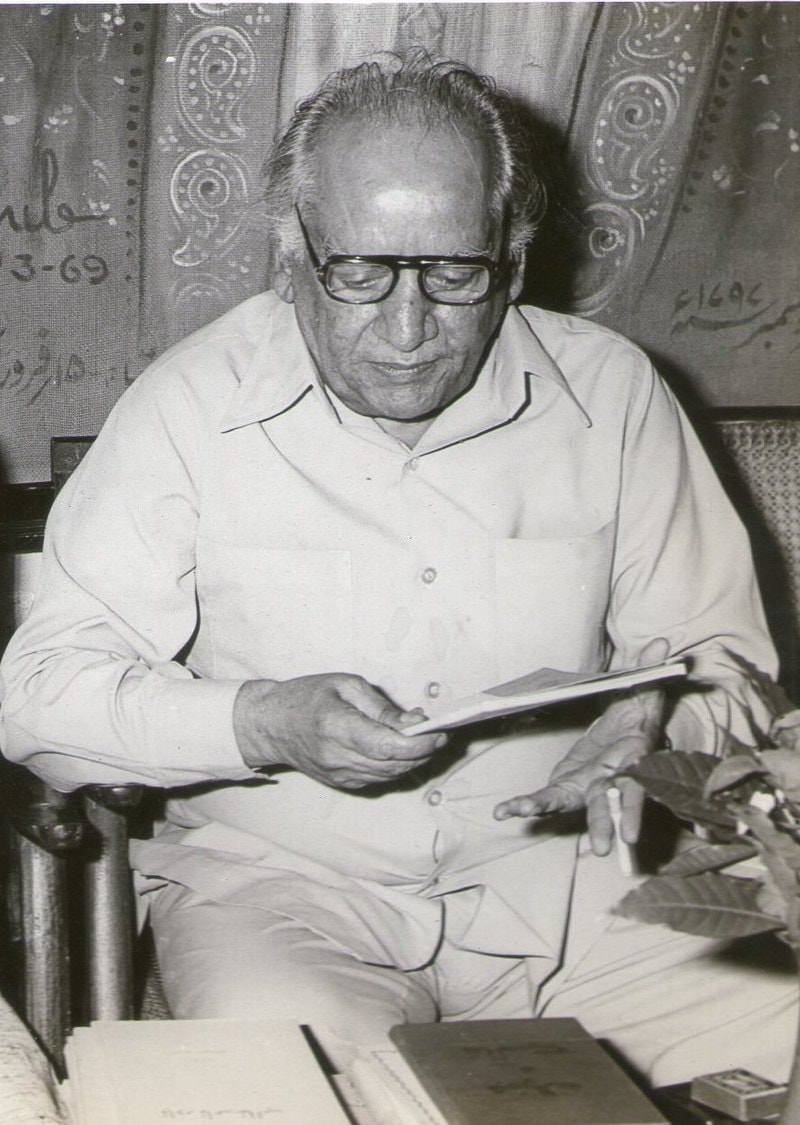
Faiz Ahmed Faiz. (Wikimedia Commons)
Among the women, Farida Khanum and Iqbal Bano expanded the timbral range with their heavier, classically trained voices. As lay listeners, many of us had been introduced to Faiz’s poetry through Bano’s dramatic performance of Hum Dekhenge in Lahore, challenging Zia ul-Haq’s authoritarian regime. This is a recording we enjoyed in the company of friends, talking about that historic moment in the history of the subcontinent. It is a well-known fact that the recording of this live performance was secretly smuggled out of Pakistan before it could get confiscated. I can’t really say what we enjoyed more while listening to this bootlegged recording – Bano’s singing or the thrill of the moment when the audience goes into raptures, clapping and cheering to the line Jab Taj Uchale Jayenge, for almost 50 seconds.
But it was Noor’s soft lyrical style that made Faiz accessible to those who were not well versed with Urdu poetry. The recordings of Nayyara Sings Faiz, an album brought out by EMI Pakistan were available on cassettes through private circulation. We begged and borrowed a friend’s tape and got it duplicated from the local cassette shop. What was striking about this collection was the simplicity of Noor’s rendering sans any note-bending taans or vocal wizardry. With minimal orchestration, she allowed us to listen to Faiz’s qalam directly and intimately. Her voice invited us to ponder over the words, connecting us with the depth of Faiz’s political philosophy. In Tum mere paas raho/stay with me, she began by softly humming the tune before the opening line, pulling the listener into Faiz’s brilliant evocation of the dark, forlorn night, woven with images of passion and political commitment. Aaj baazar mein Pabajaula chalo/today let us walk in the baazar with shackled feet, was another favourite that we could hum along, responding to Faiz’s rebellious spirit and the resonance of his words.
In the 1990s, several Ghazal singers – prominent among them Khanum, Bano and Ali – from Pakistan performed in India and their recordings were officially available by labels such as Music Today and Times Music. But Noor remained under the shadows of oblivion. As we know, she had joined the Pakistani film industry as a playback singer but soon felt out of place. Poets such as Faiz were her true calling. It was only this week that news of her death brought her back into our consciousness. As we searched for her classics like Raat yun dil mein teri khoyi hui yaad aayi on YouTube, social media, and our hearts, were abuzz with her beautiful voice.
Shikha Jhingan is associate professor, School of Arts and Aesthetics, Jawaharlal Nehru University

 E-Paper