
 E-Paper



Scientifically Speaking | Brushing your teeth can help save your life. Here's how
Regular tooth brushing is not just for clean teeth; it could also be a lifesaver. This simple act can reduce the risk of hospital-acquired pneumonia

 Prefer HTon Google


Brushing your teeth regularly is good for oral hygiene. But did you know that in certain cases, brushing teeth can save lives? If you didn’t, you aren’t alone.
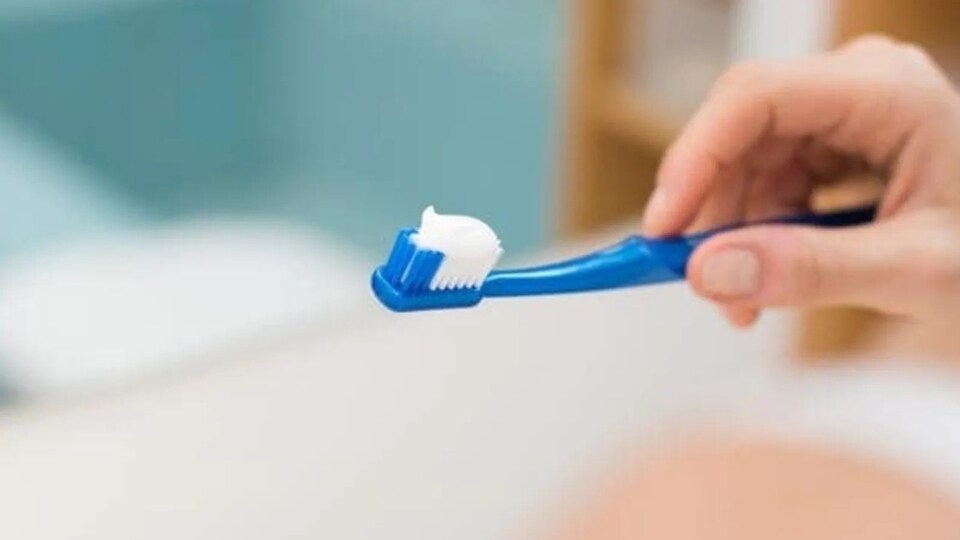
Hospital-acquired pneumonia is the most common and deadliest infection caught in hospitals, thought to be caused by the inhalation of microbes from the mouth. It is estimated to affect about 1% of hospital patients, whether they use ventilators or not. Some medical studies have recommended using mouthwash with chlorhexidine to reduce these microbes, but it’s unclear how well it works. Brushing teeth thoroughly might be a safer and more effective alternative, though it is not typically highlighted in prevention guidelines. As a result, hospital practices on toothbrushing vary widely.
What is going on inside our mouths?
The mouth is a complex environment housing a diverse mix of over 700 types of microbes. Saliva and other fluids in the mouth provide a moist environment and nutrients for these microbes but also contain elements that protect against infection. A balance between the body's immune response and these oral microbes is crucial for preventing infections.
Poor oral habits and hygiene can disrupt this balance, leading to oral diseases like gingivitis, caries, and periodontitis. This imbalance is more pronounced in people with weakened immune systems. In addition to the link with pneumonia, there’s evidence that links oral microbes to diseases like diabetes, heart disease, stroke, and Alzheimer's disease.
Pneumonia is an inflammation of the lung's air sacs, often filled with fluid or pus, causing symptoms like cough, fever, and breathing difficulty. It can be severe, especially in infants, the elderly, and those with compromised immune systems. Exactly, the populations one would expect to see in hospitals.
The mouth is close to the lungs and is part of the respiratory system. It can be a source of microbes that can cause pneumonia. Good oral hygiene can lower the bacterial count in the mouth and reduce the risk of pneumonia, especially in critically ill patients on ventilators. Patients in ICUs tend to have more dental plaque containing potential respiratory pathogens, increasing their risk of pneumonia.
Does toothbrushing help save lives? Here’s how
The simple act of regular toothbrushing saves lives. A recent study published in JAMA Internal Msedicine shows why.
In the study, researchers from Harvard-affiliated Brigham and Women's Hospital and Harvard Pilgrim Health Care Institute found that daily toothbrushing lowers the risk of hospital-acquired pneumonia. They analysed 15 clinical trials with over 2,700 patients and noticed a significant reduction in pneumonia rates among those who brushed their teeth daily, especially in patients on mechanical ventilation.
The lead author, Michael Klompas, emphasises the potential life-saving impact of regular toothbrushing in hospitals. His analysis shows that daily toothbrushing in intensive care units (ICUs) is linked to a lower risk of hospital-acquired pneumonia. It is also linked to reduced mortality, fewer days on mechanical ventilation, and shorter ICU stays.
Interestingly, the frequency of toothbrushing (twice, three times, or four times daily) didn't significantly change the outcomes. Toothbrushing also didn't affect antibiotic use or overall hospital stay length. Since most of the studies focused on adults in the ICU on mechanical ventilation, further research will see if these benefits extend to other patients.
Klompas hopes this study encourages hospitals to implement oral health routines, including toothbrushing, for their patients. If patients can't brush their teeth themselves, then a member of the care staff can assist them.
Typically, before I write my column, I look through dozens of scientific and medical research articles to find the most compelling ones. Often these involve costly and high-tech solutions to pressing problems. But sometimes, there are examples of effective solutions that are elegant in their simplicity.
Amidst so many sophisticated drugs and advanced treatments, the simple act of brushing teeth is emerging as a formidable weapon in the fight against pneumonia, one of the most serious hospital-acquired infections. It is both surprising and refreshing to find that a humble tool like a toothbrush can be a lifesaver!
Anirban Mahapatra is a scientist and author, most recently of the popular science book, When The Drugs Don’t Work: The Hidden Pandemic That Could End Medicine. The views expressed are personal.


