
 E-Paper



The BJP cannot fight its battles on the temple alone
The politics of polarisation will be passe sooner rather than later as the poor can’t live on mantras alone.

 Prefer HTon Google


The Bhartiya Janata Party (BJP), in its pursuit of power, cannot understand the fact that the Ram temple is as much an issue of faith for the people, as it is for it. It may deliver electoral dividends once again but only after the construction of the temple actually begins. Then why does the party raise the temple pitch ahead every poll?
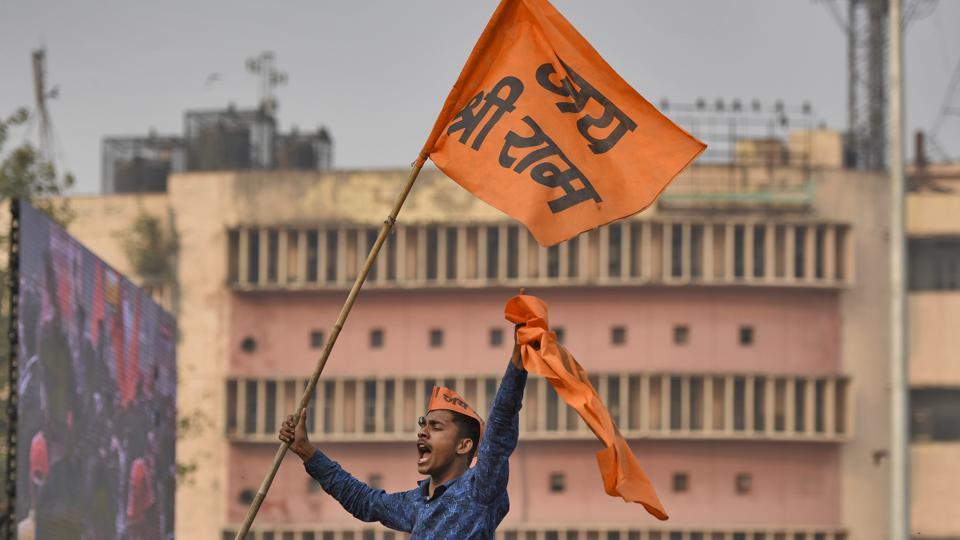
Indeed, many Indians — not Hindus alone — want the Ram temple in Ayodhya, but not at the cost of peace and precious lives. The common refrain is: Let there be a temple through consensus. Many of them are even open to the reconstruction of the mosque nearby.
Similarly, barring hardliners in the minority community, many are veering around to the view that the temple should be constructed in Ayodhya, but they demand a guarantee that no other mosque will be razed to the ground in future. How can the poor chant mantras on empty stomachs though they may temporarily get caught up in the temple frenzy — a reason why the emotive issue gradually lost its viability after the demolition of the disputed shrine.
Once again, the message sent by the five states that went to the polls in November-December is loud and clear. People voted for development and will vote for the temple but only after the construction of the temple begins. Even an ordinance on the temple on the eve of the elections is not going to convince them.
Distressed farmers, despite the conch shells blowing in Ayodhya in the neighbouring state of Uttar Pradesh, did not return the BJP governments in the three northern states of Madhya Pradesh, Rajasthan and Chhattisgarh. Telangana and Mizoram were geographically distant.
Although the BJP leaders have been denying that they raised the temple pitch or intensified the Hindutva campaign in the run–up to the polls, certain events contradict that.
On October 6, the Election Commission announced the poll dates. In less than a fortnight, on October 18, Rashtriya Swayamsewak Sangh (RSS) chief Mohan Bhagwat demanded an ordinance by the Centre to build the Ram temple in Ayodhya.
At the Shiv Sena’s Dusshera rally in Mumbai on the same day, party president Uddhav Thackeray announced his Ayodhya visit on November 24 and 25. Fearing the Shiv Sena might hijack the temple issue, the Vishwa Hindu Parishad also announced a rally the next day.
The dates — November 24, 25 and 26 — had no association with the almost century-old temple movement. The polling in Madhya Pradesh was scheduled on November 28.
In fact, the political narrative throughout October was nothing but the Ram temple and Hindutva with the BJP’s star campaigner going to the extent of according a caste to Hanuman.
Again, the clashes in Bulandshahr on December 3 came four days before polling in Rajasthan on December 7. A large congregation of Muslims at the Tablighi Ijtema, coupled with the recovery of cow carcasses, could have ignited communal riots in west UP.
Perhaps politicians must understand the core value of this country which is spiritual in temper. The people have learnt to respect other religions, which explains the peaceful coexistence of different communities and castes in India, despite grave provocations.
The politics of polarisation will be passe sooner rather than later as the poor can’t live on mantras alone.


