
 E-Paper



UNSC reforms: India needs to take charge
The year 2022 will be the second and final year of India’s eighth non-permanent membership of the UNSC. It would be well spent if it was used to, among other things, start a more meaningful and realistic process to reform the UNSC

 Prefer HTon Google


There are just so many words to express irritation and annoyance. And they are just that, no substitute for action. The time has come, perhaps, for Indian political leaders and officials to stop hiding behind words they have used to express their mounting frustration with the lack of progress on reforming and expanding the United Nations Security Council (UNSC). India is a claimant to a permanent seat in a reformed council.
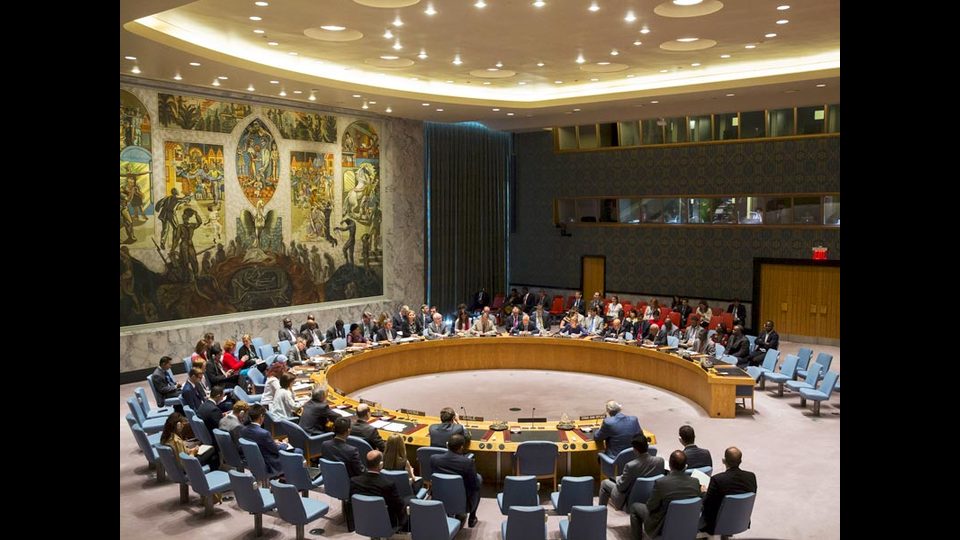
There is a longstanding acknowledgement of the need to expand the UNSC, both its permanent and non-permanent membership, to make it representative of the contemporary world, and not the world of its founding in 1945. Conversations have been going on for decades, but they took on a slightly more formal tone in the last 12 years, with five rounds of annual meetings under a process called Intergovernmental Negotiations (IGN). But it has nothing to show for progress; the ball has not moved even an inch since. Serious questions are being raised about its ability to serve the purpose of its existence. The usual UN rules don’t apply to its deliberations, no records are kept of its meetings (India has shared its records with smaller countries). And, worst of all, there is no “text” — a term used in the world of diplomacy for a formal document containing proposals and options — to discuss, amend or reject.
“Today’s Security Council is an impaired organ. It has been unable to act with credibility essentially due to its unrepresentative nature,” said Indian permanent representative to the UN TS Tirumurti at an IGN meeting in 2020. He had added, barely concealing India’s frustration with the process, “But then, what is happening inside the IGN process, which we seem to be wedded to?” Other UN diplomats have been far blunter privately, saying, the IGN is a “flawed process”.
So, are we going to just whine and moan about being “wedded” to a flawed process? Or do something about it? Attempts have been made before to steer the IGN towards deliverables. Draft resolutions were sought to be moved, for instance, in the hope of one of them growing into the elusive “text”. But they were either never tabled or, if tabled, not put to a vote. These were efforts made within the flawed IGN process.
It might be time now to try something outside the IGN process. Nothing stops a UN member country or a core group of countries from starting a draft resolution containing, in this case, a comprehensive set of proposals for reforming the UNSC. They can then approach other like-minded countries and keep growing these “concentric circles” of support, as a top UN diplomat put it, till a critical mass is reached to go before the whole UN General Assembly with a realistic chance of winning the vote.
The year 2022 will be the second and final year of India’s eighth non-permanent membership of the UNSC. It would be well spent if it was used to, among other things, start a more meaningful and realistic process to reform the UNSC. There cannot be a more convincing demonstration of the clout of an emerging power.
The views expressed are personal


