
 E-Paper



View: Why the three laws were needed for new age crimes
Amit Shah said the three bills to replace the colonial-era criminal laws seek to bring comprehensive changes to the criminal justice system.

 Prefer HTon Google


New Delhi: Even when he was BJP President, Amit Shah saw the Indian Penal Code, 1872 and the Indian Evidence Act, 1872 as vestiges of the British Colonial power with offences like sedition and conspiracy given priority over heinous crimes like murder and rape.
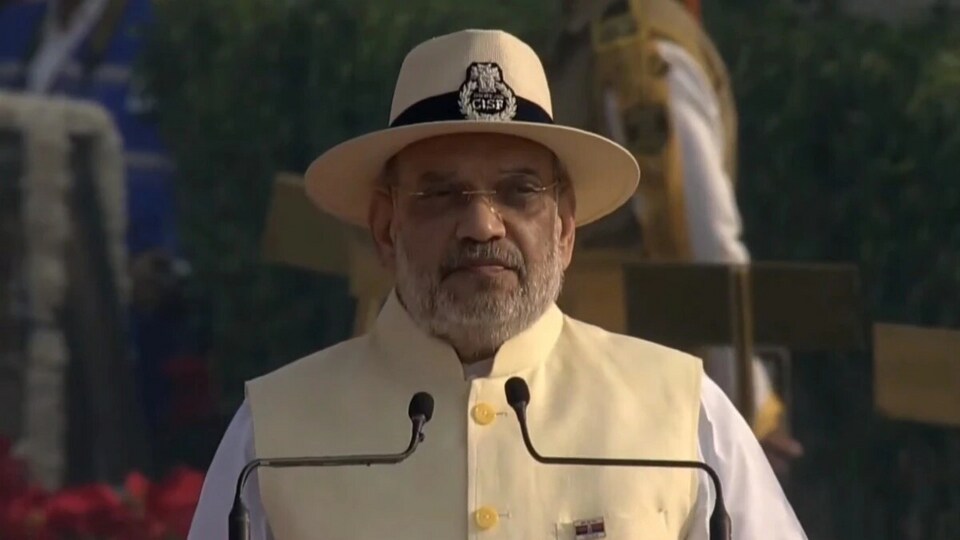
On December 21, Home Minister Amit Shah lived up to objective and got the Parliament put a stamp of approval on Bharatiya Nyaya Sanhita, Bharatiya Nagrik Suraksha Sanhita and Bharatiya Sakshya Adhiniyam bills to replace IPC, CrPC and Indian Evidence Act respectively. The passed Bills will become an Act once the President of India gives approval and the Gazette of India will publish the new laws. That Amit Shah, who does the heavy political lifting in the BJP, could enact the law simultaneously with the abrogation of Article 370 and 35 A with the deadly coronavirus pandemic wiping out 2020-2022 period shows the level of humongous commitment.
The new bills are not only in tune with the times but also cater to 20th-century crimes like terrorism, organized crime, and heinous crimes against women and children and have introduced the much-required “trial in absentia” against likes of now Pakistan-based Dawood Ibrahim and Tiger Memom for the 1993 Mumbai bomb blasts, economic offenders seeking the shelter of British Law and Khalistan terrorists seeking shelter in Canada and the US. The fact is that despite India being bled by international terror proxies and homegrown terrorists since the 1980s, it took the Modi government to define terrorist as part of the law in 2023.
One of the key features of these bills is the stress on the use of forensic tools in investigating crimes and ensuring the sanctity of the crime scene as corruption of evidence at the scene of crime and procedure adopted was used by the lawyers of the accused persons to get away scot-free after paying off the investigating agencies on the side. The other tools used to get relief for the rich and powerful were deliberate procedural delays and manipulation of the charge sheets apart from exploiting all loopholes in the criminal law. That the new laws commit the investigating agencies and the courts to a time-bound schedule will help people get justice in time.
The deemed approval of sanction for prosecution for senior government officers after 120 days if no rejection is made will also make the Indian bureaucracy more accountable as this open ended sanction has been exploited by bureaucrats to get relief for themselves with the help of their unscrupulous colleagues. In the past, bureaucrats of ministries would initially use all tricks to help out the corrupt colleague and then the Ministry of Personnel would sit on the sanction file with the investigating agencies running from pillar to post to get the officer to face the law. The delay in giving prosecution sanction for accused bureaucrats was seen in the most infamous corruption cases before the turn of the century including the ₹364 crore Bofors gun scandal in the late 1980s.
While many bureaucrats may oppose this 120-day window as too little and justify their mistakes with financial ramifications as bonafide, the fact is that the sanction approval clause has been misused by the corrupt bureaucracy with the help of their political masters to escape the clutches of law.
The new bills will also bring sweeping reforms to the police stations, which have a direct interface with the public. Not only the terminologies of the Mughal and British Colonial past used in the “thanas” get replaced but the investigating officers will also have to undergo refresher courses to come up to speed with the new laws. India could not afford to grow with the 19th century tools and archaic laws, when the era of artificial intelligence has dawned.


