

 E-Paper


Dadasaheb Phalke, the legend
1 / 9

 View Photos in a new improved layout
Updated on Apr 27, 2013 06:31 pm IST
A still from the first feature film of India, Dadasaheb Phalke's Raja Harishchandra (1913). Dadasaheb needs no introduction. He was the expert of silent cinema and introduced India to the art of cinematic experience. Take a pictorial tour through Dadasaheb Phalke's life and films. (Images courtesy: The Silent Film, a book on Dadasaheb)
2 / 9
 View Photos in a new improved layout
Updated on Apr 27, 2013 06:31 pm IST
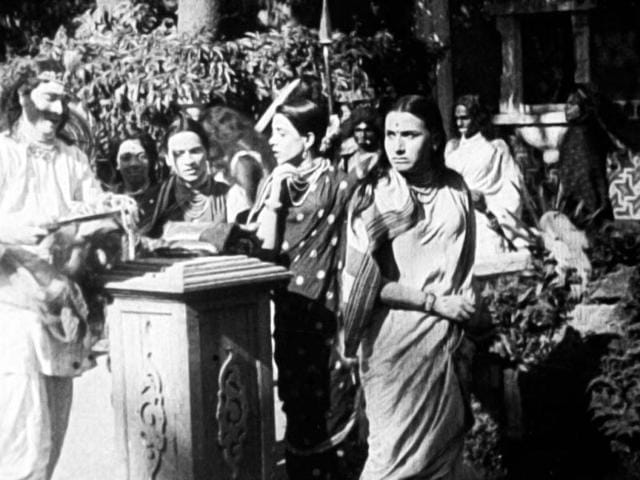
A still from Lanka Dahan (1917) where Anna Salunke played both Ram and Sita.
3 / 9
 View Photos in a new improved layout
Updated on Apr 27, 2013 06:31 pm IST
The family of Dadasaheb Phalke in 1926 posing for photographs during the wedding of Dadasaheb's daughter Mandakini.
4 / 9
 View Photos in a new improved layout
Updated on Apr 27, 2013 06:31 pm IST
"Dadasaheb was a great nationalist and visionary," said Sharayu Phalke Summanvar, Dadasaheb's great-grand niece, who has authored the book "The Silent Film" on his life.
5 / 9
 View Photos in a new improved layout
Updated on Apr 27, 2013 06:31 pm IST
Dadasaheb Phalke's daughter Mandakini in a still from Kaliya Mardan (1919).
6 / 9
 View Photos in a new improved layout
Updated on Apr 27, 2013 06:31 pm IST
Producer-director-screenwriter Dadasaheb Phalke works on the sets of a palace scene for his film.
7 / 9
 View Photos in a new improved layout
Updated on Apr 27, 2013 06:31 pm IST
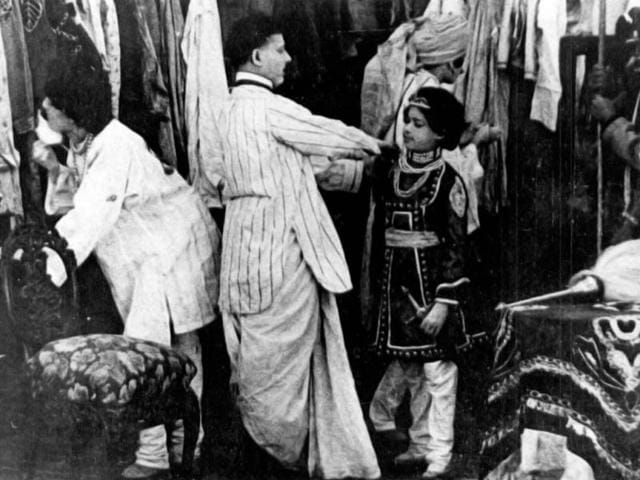
Dadasaheb Phalke gets his son ready for the shooting of Raja Harishchandra (1913). Dadasaheb's son Bhalachandra D Phalke essayed the role of Rohtash, son of Raja Harischandra. Raja Harishchandra was India's first feature film.
8 / 9
 View Photos in a new improved layout
Updated on Apr 27, 2013 06:31 pm IST
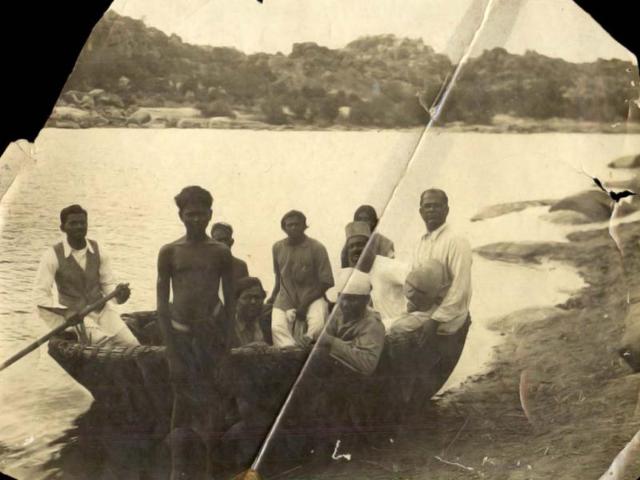
Dadasaheb sails in a boat with the crew members of his film Setubandhan (1932). Setubandhan was Dadasaheb's last silent film.
9 / 9
 View Photos in a new improved layout
Updated on Apr 27, 2013 06:31 pm IST