

 E-Paper


Photos: India’s solar quest seen as challenging journey
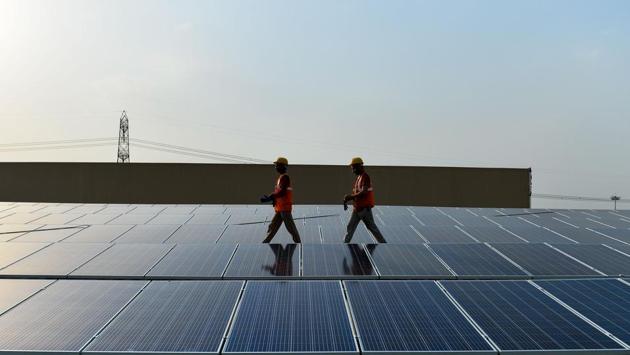
Solar power prices in India have hit rock bottom, but it is not all good news for the electricity-starved country as the phenomenon has hit investor confidence and threatens the country's effort to push its green credentials. India is the third largest emitter of greenhouse gases in the world. Indian cities dominate the list of the most polluted on the planet. Renewable energy can -not only transform thousands of villages and towns across this vast country, it can put also India on an accelerator into the future
1 / 7
 View Photos in a new improved layout
Updated on Jun 12, 2017 12:37 pm IST
Solar power prices in India have hit rock bottom in the backdrop of fierce pricing competition between Indian and Chinese companies besides others, but it is not all good news for the electricity-starved country as the phenomenon threatens to derail the country’s effort to push its green credentials. India is the third largest emitter of greenhouse gases in the world with cities dominating the list of the most polluted on the planet. Not only can renewable energy transform thousands of villages and towns across this vast country, it can put also India on a growth accelerator into the future. (Chandan Khanna/APF)
2 / 7
 View Photos in a new improved layout
Updated on Jun 12, 2017 12:37 pm IST
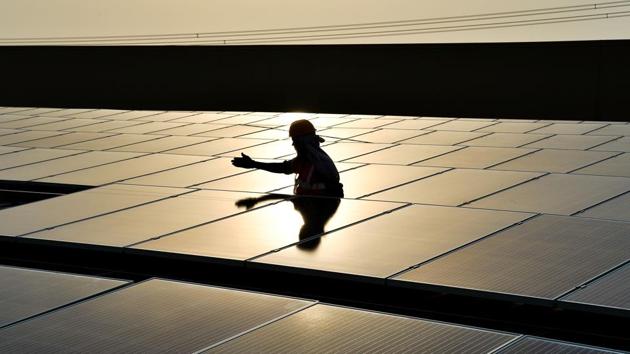
According to experts, solar power prices have come down too low too fast in a short duration which is not a good sign for overall viability of the sector in the future. (Chandan Khanna/APF)
3 / 7
 View Photos in a new improved layout
Updated on Jun 12, 2017 12:37 pm IST
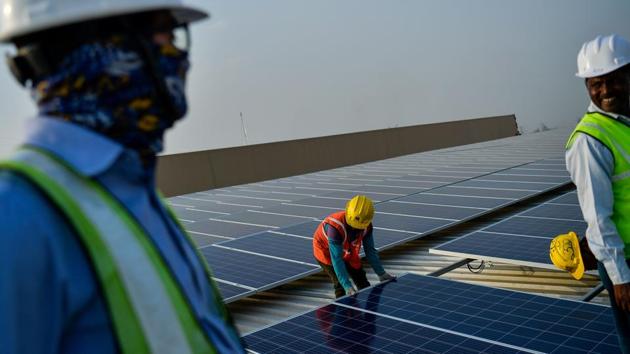
While US president Donald Trump withdrew from the climate accord in Paris, India promised to continue on its renewable energy programme. However this has also given Chinese investors and manufacturers some advantages. (Chandan Khanna/APF)
4 / 7
 View Photos in a new improved layout
Updated on Jun 12, 2017 12:37 pm IST
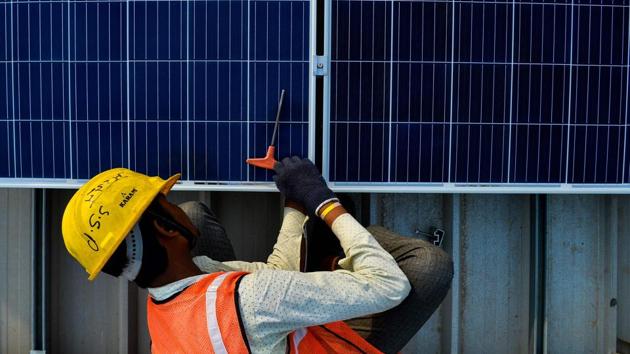
Five year ago solar companies were producing a kilowatt-hour for Rs.7. It’s now down to Rs.2.44 - even cheaper than coal. (Chandan Khanna/APF)
5 / 7
 View Photos in a new improved layout
Updated on Jun 12, 2017 12:37 pm IST
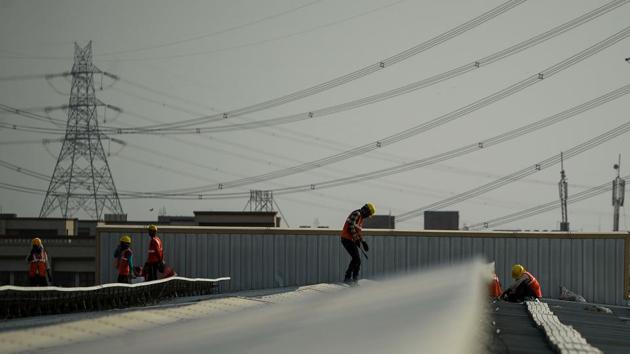
Across India, there are villages where households get loans to buy a solar power system to light up a few light bulbs in their homes. (Chandan Khanna/APF)
6 / 7
 View Photos in a new improved layout
Updated on Jun 12, 2017 12:37 pm IST
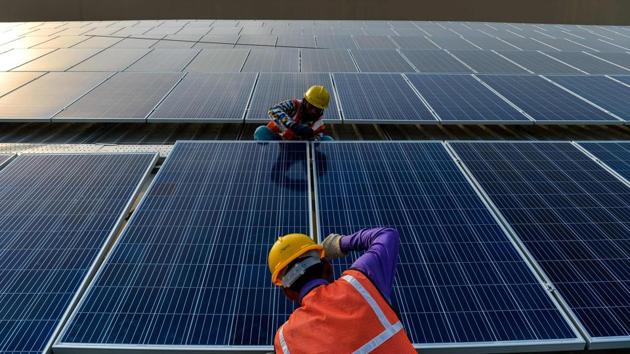
However falling prices and aggressive competition are likely to cause difficulties for Indian manufacturers competing with cheap Chinese producers. (Chandan Khanna/APF)
7 / 7
 View Photos in a new improved layout
Updated on Jun 12, 2017 12:37 pm IST