
 E-Paper



Photos: Indian government looks at facial recognition for policing
Amid threats of spying and possible abuses, the Modi government is planning to set up one of the world’s largest facial recognition systems. The system would aid the police force, which is among the most understaffed in the world. If implemented properly, it says the system will be an essential tool to fight crime. However, many Indian companies won’t be able to bid on the facial-recognition system because the current tender requires them to meet standards established by the US National Institute of Science and Technology.
Updated on: Sep 23, 2019 12:05 PM IST

Share via


Copy link

1/6
 View Photos in a new improved layout
Updated on Sep 23, 2019 12:05 PM
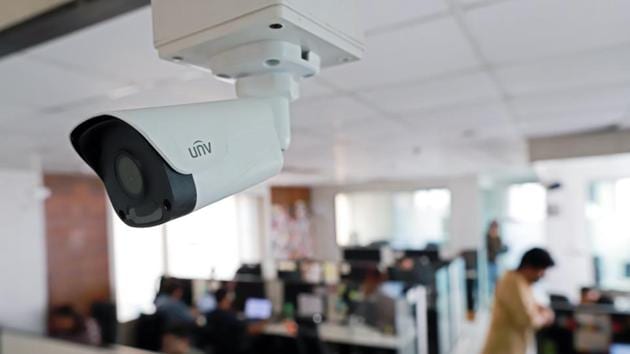
A surveillance camera with facial recognition technology operates at the headquarters of security system developer Staqu Technologies Pvt. in Gurugram, Haryana. The Modi government is planning to set up one of the world’s largest facial recognition systems, potentially a lucrative opportunity for surveillance companies and a nightmare for privacy advocates who fear it will lead to a Chinese-style Orwellian state. (Anindito Mukherjee / Bloomberg)
2/6
 View Photos in a new improved layout
Updated on Sep 23, 2019 12:05 PM
Atul Rai, chief executive officer of Staqu Technologies Pvt., poses for a photograph at the company’s headquarter. The government will open bids next month to build a system to centralise facial recognition data captured through surveillance cameras across the country. It would link up with databases containing records for everything from passports to fingerprints to help India’s police force identify criminals, missing persons and dead bodies. (Anindito Mukherjee / Bloomberg)
3/6
 View Photos in a new improved layout
Updated on Sep 23, 2019 12:05 PM
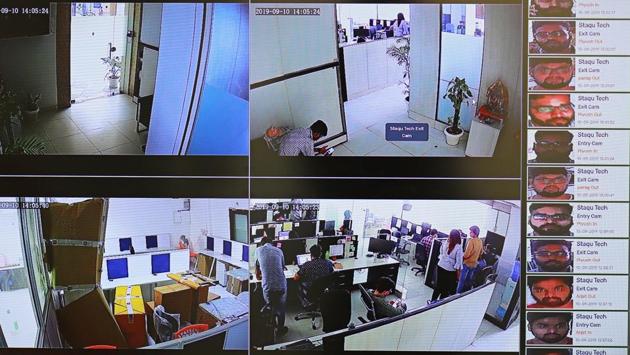
Faces of employees are displayed on a facial recognition identity system at Staqu Technologies Pvt. The government says the move is designed to help one of the world’s most understaffed police forces, which has one officer for every 724 citizens -- well below global norms. It also could be a boon for companies: TechSci Research estimates India’s facial recognition market will grow sixfold by 2024 to $4.3 billion, nearly on par with China. (Anindito Mukherjee / Bloomberg)
4/6
 View Photos in a new improved layout
Updated on Sep 23, 2019 12:05 PM
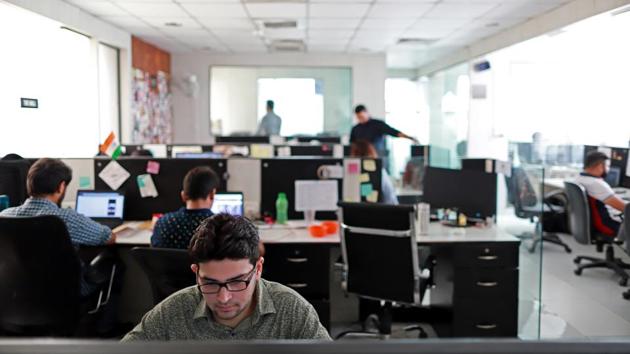
While India is still far from implementing a system that matches China’s ability to use technology to control the population, the lack of proper safeguards opens the door for abuses. A draft data protection bill presented to the government last year still hasn’t been approved by the cabinet or introduced into parliament. (Anindito Mukherjee / Bloomberg)
5/6
 View Photos in a new improved layout
Updated on Sep 23, 2019 12:05 PM
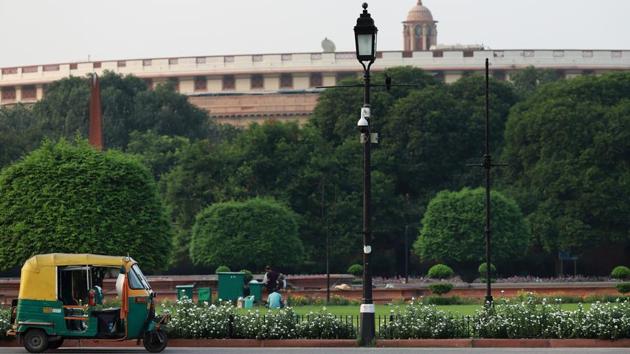
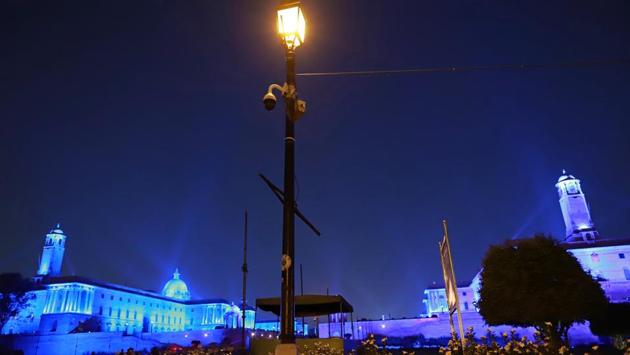
An auto-rickshaw sits parked next to a closed-circuit television (CCTV) security camera on a lamp post in front of Parliament House in New Delhi. Many Indian companies won’t be able to bid on the facial-recognition system because the current tender requires them to meet standards established by the US National Institute of Science and Technology, according to Rai. (Anindito Mukherjee / Bloomberg)
6/6
 View Photos in a new improved layout
Updated on Sep 23, 2019 12:05 PM


