
 E-Paper



Kumbh Mela: Naga sadhus kick off festival with a holy bath
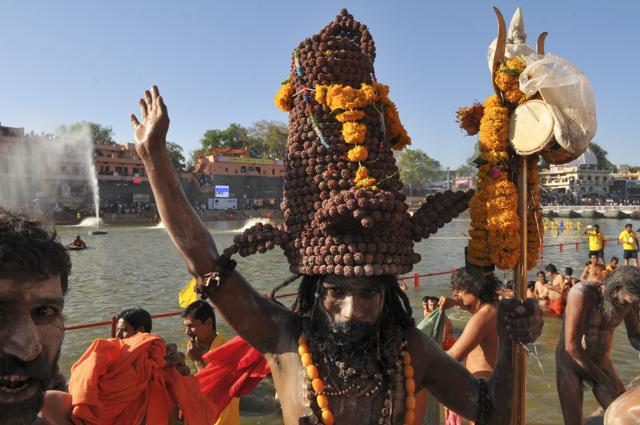
Devotees attending the first day of the Shahi Snan, or royal bath, at Ujjain’s Simhastha Kumbh Mela were greeted by the sight of thousands of ash-smeared Naga sadhus plunging straight into the Kshipra river for a holy dip. (Shankar Mourya/ Hindustan Times)
Updated on: Apr 22, 2016 4:07 PM IST

Share via


Copy link

1/8

 View Photos in a new improved layout
Updated on Apr 22, 2016 4:07 PM
Devotees attending the first day of the Shahi Snan, or royal bath, at Ujjain’s Simhastha Kumbh Mela were greeted by the sight of thousands of ash-smeared Naga sadhus plunging straight into the Kshipra river for a holy dip. (Shankar Mourya/ Hindustan Times)
2/8
 View Photos in a new improved layout
Updated on Apr 22, 2016 4:07 PM
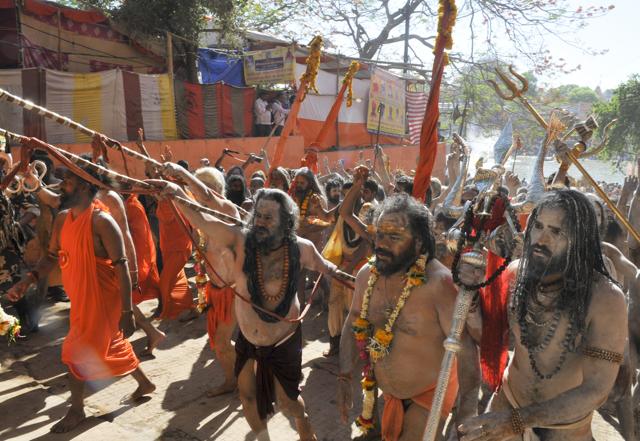
Before taking the plunge, processions of sadhus paraded through the town, brandishing their traditional swords and tridents, dancing and chanting mantras. (Shankar Mourya/ Hindustan Times)
3/8
 View Photos in a new improved layout
Updated on Apr 22, 2016 4:07 PM
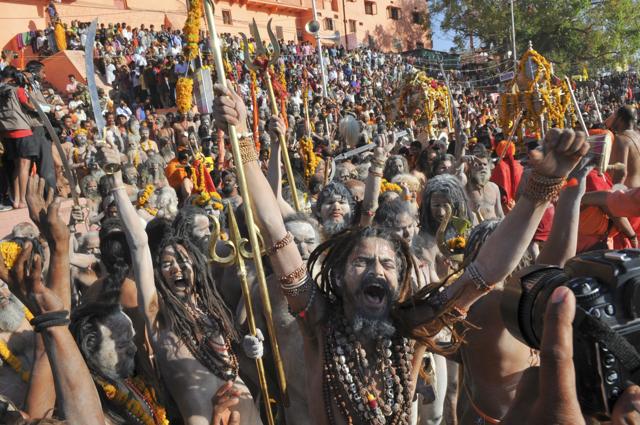
Over five crore people are expected to visit the city of Ujjain for the month-long Simhastha Kumbh, which is held after every 12 years. Overnight, the city has turned into a well-run fortress, as authorities make arrangements for the crowds. (Shankar Mourya/ Hindustan Times)
4/8
 View Photos in a new improved layout
Updated on Apr 22, 2016 4:07 PM
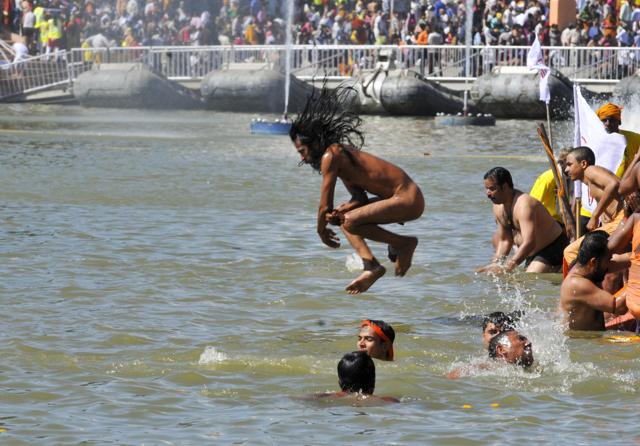
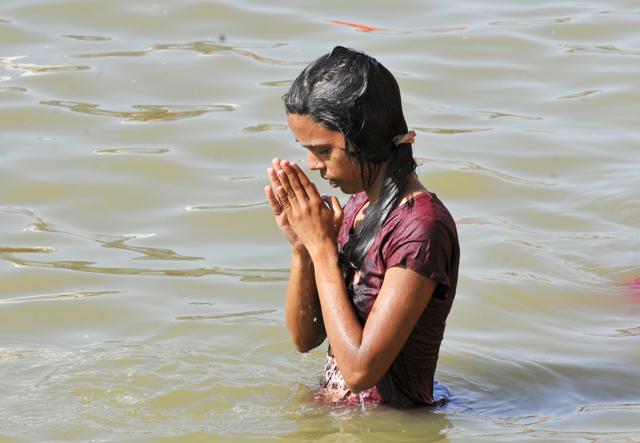
Sadhus belonging to thirteen different akharas took a dip one after the other, as per elaborate arrangements made by the authorities. Devotees believe that the holy bath cleanses you of all sins. (Shankar Mourya/ Hindustan Times)
5/8
 View Photos in a new improved layout
Updated on Apr 22, 2016 4:07 PM
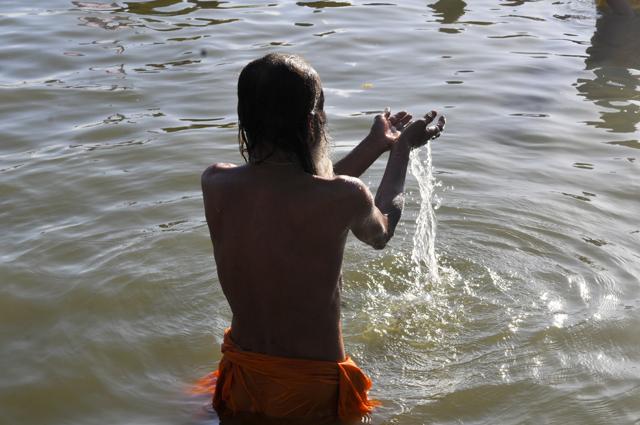
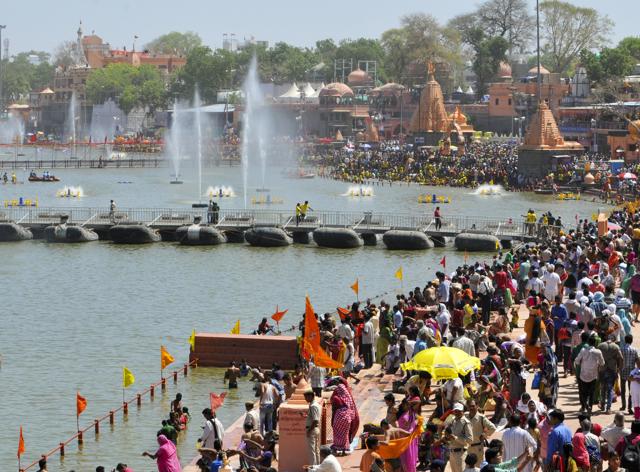
A number of ghats have been constructed along a 10 km stretch around the Kshipra river, but the holy men prefer the sacred Ramghat. (Shankar Mourya/ Hindustan Times)
6/8
 View Photos in a new improved layout
Updated on Apr 22, 2016 4:07 PM
The ghats were opened to common pilgrims at midnight, before the sadhus and seers took over. An estimated 50 lakh pilgrims took the first Shahi Snan on the opening day. The second bath is scheduled for May 21. (Shankar Mourya/ Hindustan Times)
7/8
 View Photos in a new improved layout
Updated on Apr 22, 2016 4:07 PM
According to Hindu mythology, Lord Vishnu was transporting Amrit, the drink of immortality, in a kumbh or pot, when a few drops spilled at four places. These places – Haridwar, Allahabad, Nashik and Ujjain, are the sites for present-day Kumbh melas. (Shankar Mourya/ Hindustan Times)
8/8
 View Photos in a new improved layout
Updated on Apr 22, 2016 4:07 PM


