

 E-Paper


New Delhi during its formative years
1 / 8
 View Photos in a new improved layout
Updated on Sept 06, 2011 12:00 pm IST
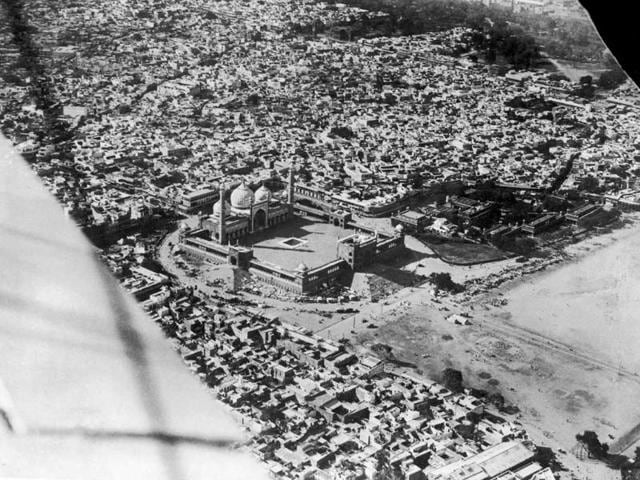
A hundred years ago, the British monarch King George V anointed himself the Emperor of India and announced the shifting of the capital from Calcutta to Delhi.
2 / 8
 View Photos in a new improved layout
Updated on Sept 06, 2011 12:00 pm IST
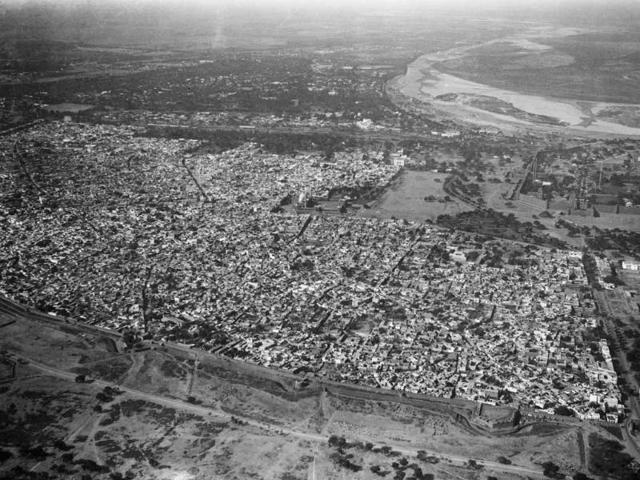
Till the 1910s, Delhi meant the Mughal built Shahjahanabad. But it was outside the Walled City where the British planned to build their new capital from scratch.
3 / 8
 View Photos in a new improved layout
Updated on Sept 06, 2011 12:00 pm IST
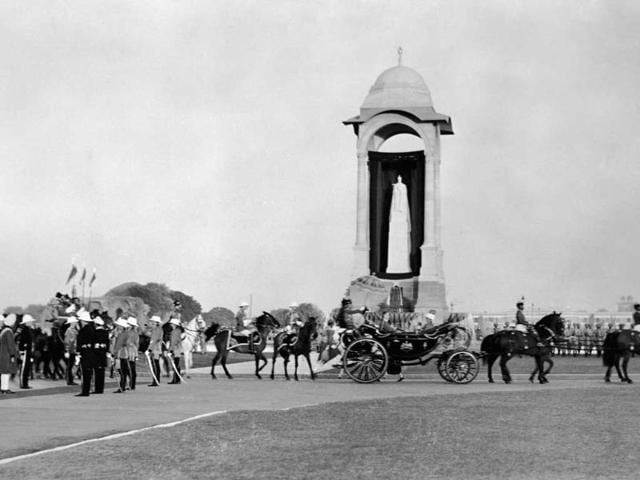
On February 10, 1931, the then Viceroy of India, Lord Irwin formally inaugurated New Delhi, after nearly 20 years, the grand new capital was finally complete.
4 / 8
 View Photos in a new improved layout
Updated on Sept 06, 2011 12:00 pm IST
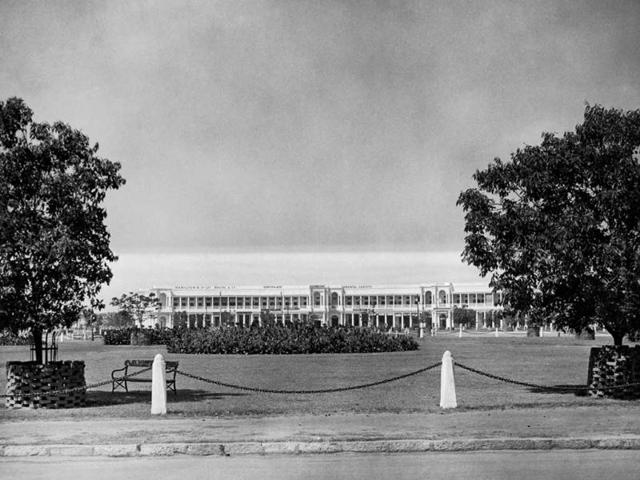
The new Capital also had a place where the inhabitants could have all the trappings of the good life. Like London, New Delhi got its own Piccadilly Circus in Connaught Place.
5 / 8
 View Photos in a new improved layout
Updated on Sept 06, 2011 12:00 pm IST
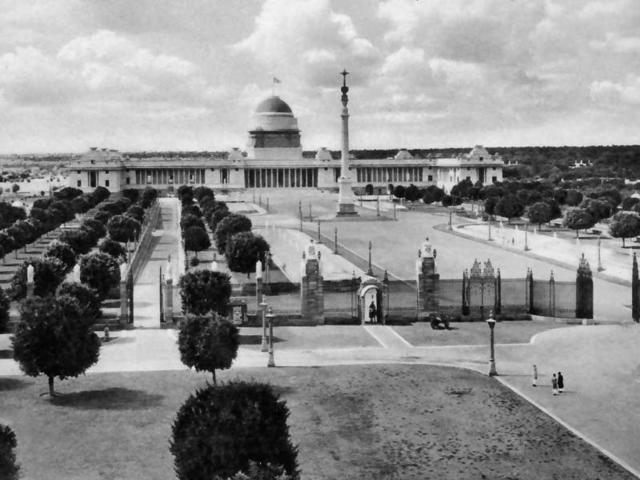
The British chose Raisina Hill as the base on which the Government House (now Rashtrapati Bhavan) would be built, so it could tower above the Capital.
6 / 8
 View Photos in a new improved layout
Updated on Sept 06, 2011 12:00 pm IST
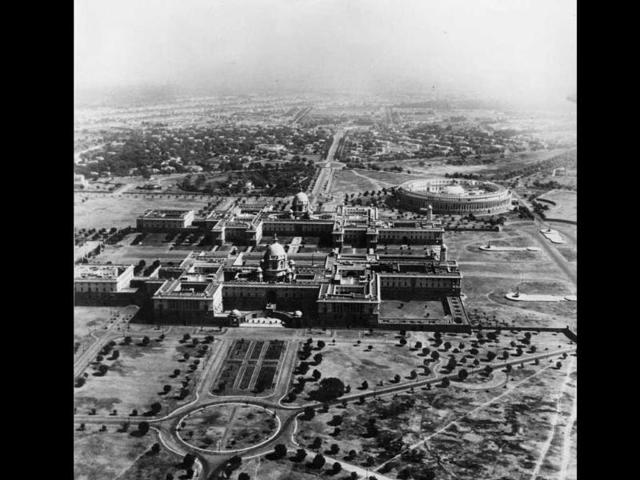
Commissioned much later after the layout of New Delhi was planned, the Parliament House (then called Council House) got a secondary location compared to the Government House and Secretariat.
7 / 8
 View Photos in a new improved layout
Updated on Sept 06, 2011 12:00 pm IST
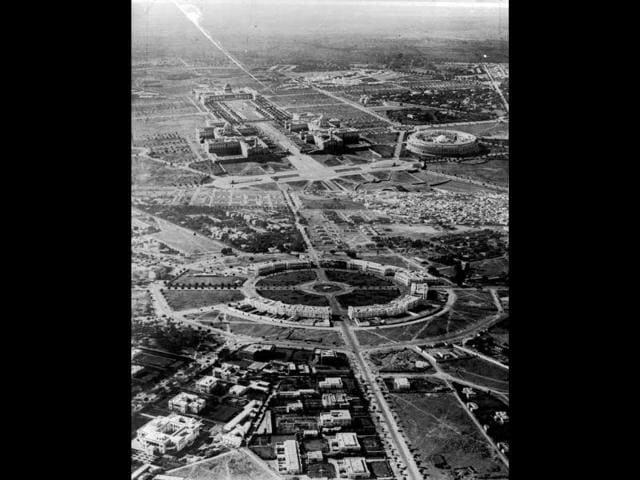
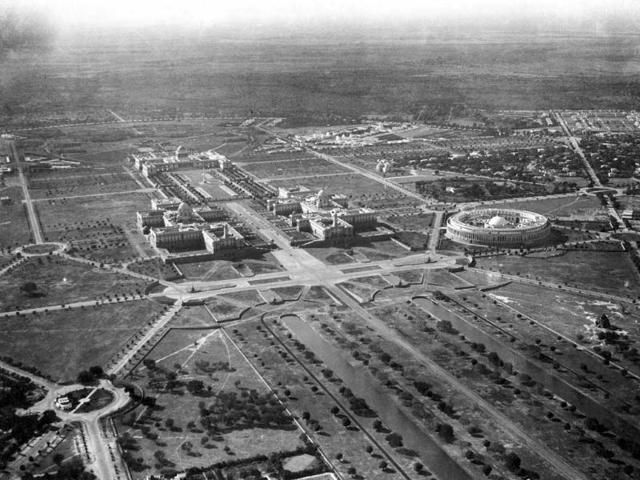
At the apex of the new city was the Government House (now Rashtrapati Bhavan), joined by North and South blocks and a grand vista culminating at the All-India War Memorial (now India Gate).
8 / 8
 View Photos in a new improved layout
Updated on Sept 06, 2011 12:00 pm IST