
 E-Paper



Photos: Losses brew for flood-hit Kerala’s coffee, cocoa and tea estates
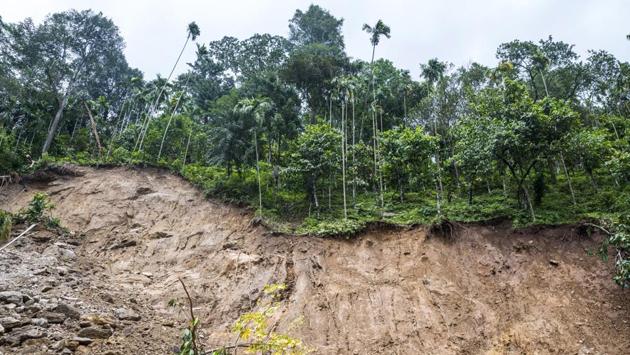
Blessed with natural beauty, fertile land and bountiful seas, Kerala has been dubbed ‘God's own country’ by its people but this year faced the worst floods in a century, and destruction which will take longer than a single season to wash away. Heavy showers, flood and landslides damaged trees and plants, ravaging the coffee, tea and cocoa plantations in the main growing areas of Kerala which received 42% more monsoon rain than normal since June 1. With reconstruction and stabilization expected to take years, growers brace for a season of losses.
Updated on: Aug 29, 2018 12:28 PM IST

Share via


Copy link

1/8
 View Photos in a new improved layout
Updated on Aug 29, 2018 12:28 PM
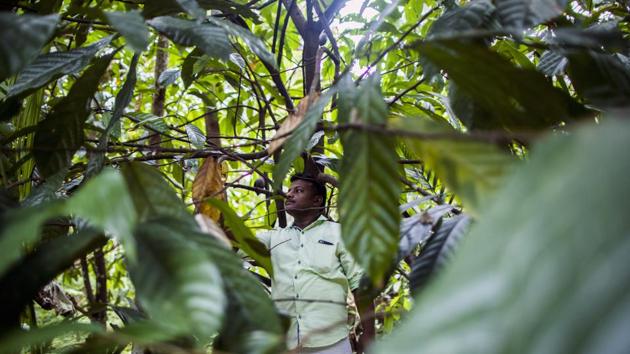
A farmer attends to a cocoa tree at a plantation in the district of Idukki, Kerala. More than a week after the floodwater began subsiding; animal carcasses are still floating in Kerala’s backwaters. Showers, flooding and landslides damaged trees ravaging the coffee, tea and cocoa plantations in the main growing areas of Kerala. (Prashanth Vishwanathan / Bloomberg)
2/8
 View Photos in a new improved layout
Updated on Aug 29, 2018 12:28 PM
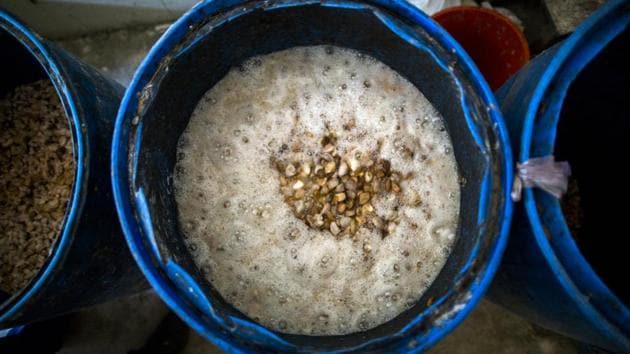
Cocoa beans sit in buckets at a wholesale store in Vannappuram village in the district of Idukki. Kerala received 42% more monsoon rain than normal since June 1. With plantations waterlogged, hundreds of workers have shifted to the relief camps the state government has set up, while others have moved out of the region. (Prashanth Vishwanathan / Bloomberg)
3/8
 View Photos in a new improved layout
Updated on Aug 29, 2018 12:28 PM
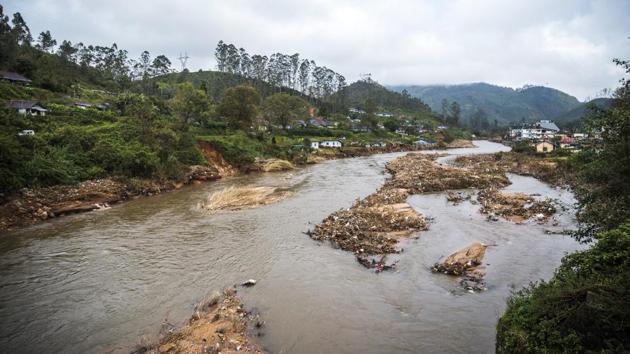
Debris from a landslide sits in a river that runs near tea estates near Munnar. The continuous rain with practically no sunshine since July has led to a severe drop in the green tea leaf crop harvest, which has already contributed to a significant loss of made tea production from the Anamallais region. (Prashanth Vishwanathan / Bloomberg)
4/8
 View Photos in a new improved layout
Updated on Aug 29, 2018 12:28 PM
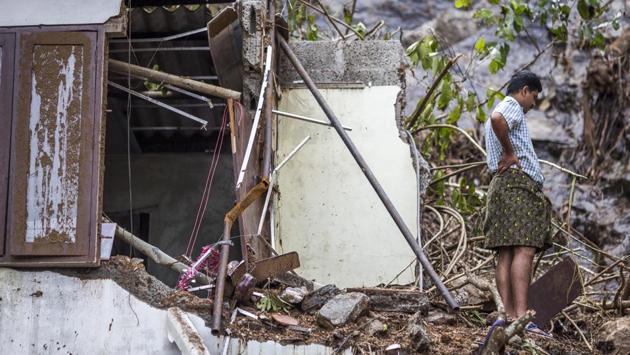
A man looks damage to a building at a coffee plantation near Munnar. Coffee production in India will slump to the lowest in 21 years next season because of damaged trees in the main growing areas in the south of Asia’s third biggest producer. Together, Karnataka (70%), Kerala (20%) and Tamil Nadu (6%) make up for 96% of the country’s coffee production. (Prashanth Vishwanathan / Bloomberg)
5/8
 View Photos in a new improved layout
Updated on Aug 29, 2018 12:28 PM
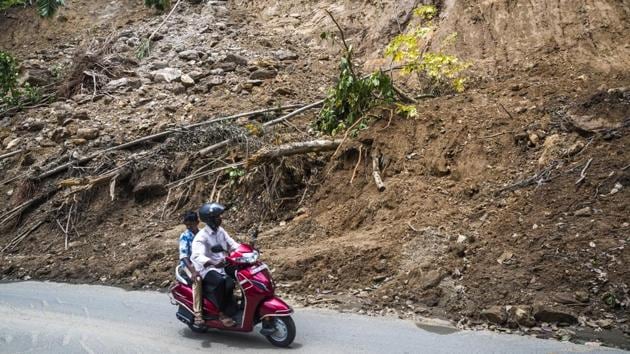
Commuters ride along a road flanked by a hillside damaged by a landslide. Noting that rains and landslides had eroded the top soil and excess moisture damaged the coffee estates, Coffee Board Chairman M.S. Boje Gowda said hundreds of planters and small growers would have to wait a year for the new berries to sprout and ripen. (Prashanth Vishwanathan / Bloomberg)
6/8
 View Photos in a new improved layout
Updated on Aug 29, 2018 12:28 PM
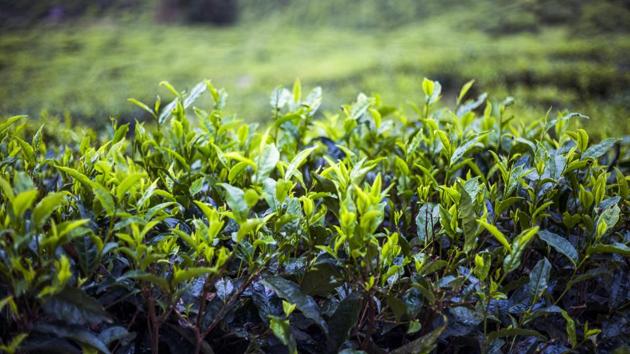
India famous as a tea producer is also the world’s sixth-largest coffee grower, according to the Coffee Board, mainly churning out the robusta beans used to make instant coffee, but also producing some of the more expensive arabica. In 2017-18 marketing year that ended on September 30, India produced 316,000 tonnes coffee, including 221,000 tonnes of robusta and 95,000 tonnes of arabica. (Prashanth Vishwanathan / Bloomberg)
7/8
 View Photos in a new improved layout
Updated on Aug 29, 2018 12:28 PM
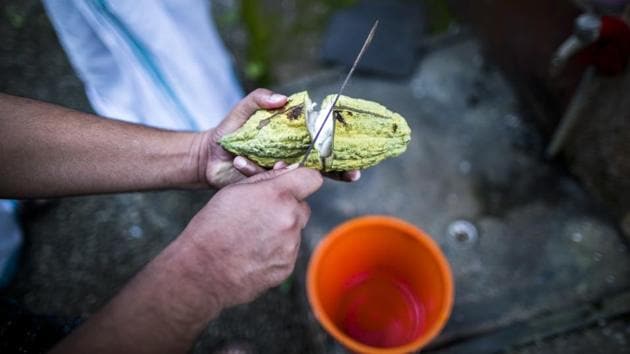
A farmer cuts open a cocoa fruit at a plantation in Vannappuram village in the district of Idukki. Output in the year starting October 1 may be about 25% lower than 2017-18. That would be the lowest since 1997-98, government data shows. But the plunge in output may be positive for global coffee prices because India exports more than 70% of its production. (Prashanth Vishwanathan / Bloomberg)
8/8
 View Photos in a new improved layout
Updated on Aug 29, 2018 12:28 PM


