
 E-Paper



PCOS symptoms and their link with hormonal imbalances: Dietitian explains
From high insulin levels to high cortisol, here’s how hormonal imbalances can trigger certain PCOS symptoms.
Published on: Aug 3, 2024 4:00 PM IST


Share via


Copy link

1/5
 View Photos in a new improved layout
Published on Aug 3, 2024 4:00 PM
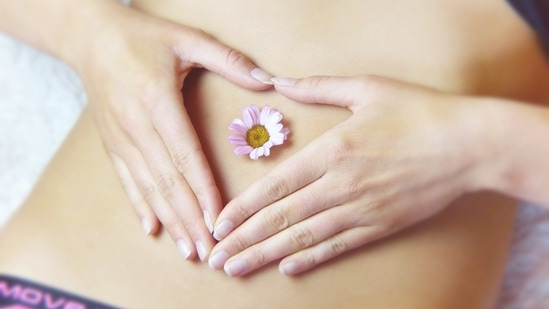
PCOS is a condition where the ovaries start producing an abnormal amount of Androgens leading to cyst formation in the ovaries. Some of the most common symptoms of PCOS are menstrual irregularity, acne formation, mood swings and obesity. However, the symptoms are often attached to underlying hormonal imbalances. Dietitian Tallene Hacatoryan shared a few symptoms and their hormonal imbalances. (Pixabay)
2/5
 View Photos in a new improved layout
Published on Aug 3, 2024 4:00 PM
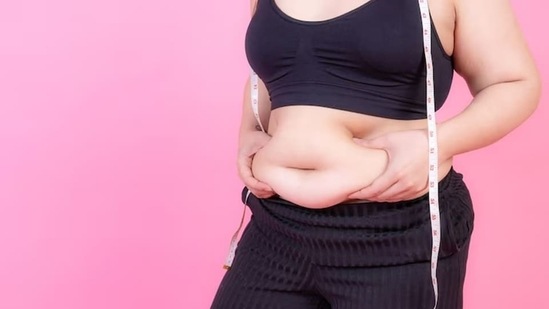
Sugar cravings, menstrual irregularity and belly fat happens due to high insulin in the body. (Freepik)
3/5
 View Photos in a new improved layout
Published on Aug 3, 2024 4:00 PM
Acne formation, facial hair and hair loss are often associated with high testosterone levels. (Image by Freepik)
4/5
 View Photos in a new improved layout
Published on Aug 3, 2024 4:00 PM
Irregular bleeding, depression and difficulty in conceiving are associated with high progesterone levels. (Pexels)
5/5
 View Photos in a new improved layout
Published on Aug 3, 2024 4:00 PM


