
 E-Paper



Top lifestyle changes for women to manage PCOS
PCOS can affect many women during their reproductive years. While it's chronic in nature, it can be managed with lifestyle changes.
Published on: Feb 14, 2024 6:00 AM IST


Share via


Copy link

1/9

 View Photos in a new improved layout
Published on Feb 14, 2024 6:00 AM
"Women with Polycystic Ovary Syndrome (PCOS) can benefit significantly from lifestyle changes that help manage symptoms, improve overall health, and reduce the risk of complications. Here are some lifestyle changes that are often recommended for women with PCOS," says Dr Chetna Jain, director department of Gynecology, Cloudnine Hospital, sector 14, Gurgaon. (Freepik)
2/9
 View Photos in a new improved layout
Published on Feb 14, 2024 6:00 AM
Healthy diet: Adopting a balanced and nutritious diet can help regulate hormones, manage weight, and improve insulin sensitivity, which is often a concern for women with PCOS. Focus on whole foods such as fruits, vegetables, lean proteins, whole grains, and healthy fats. Limit intake of processed foods, sugars, and refined carbohydrates. (Unsplash)
3/9
 View Photos in a new improved layout
Published on Feb 14, 2024 6:00 AM
Regular exercise: Engaging in regular physical activity is crucial for managing weight, improving insulin sensitivity, and reducing the risk of cardiovascular complications associated with PCOS. Aim for at least 150 minutes of moderate-intensity aerobic exercise per week, along with strength training exercises. (Pexels)
4/9
 View Photos in a new improved layout
Published on Feb 14, 2024 6:00 AM
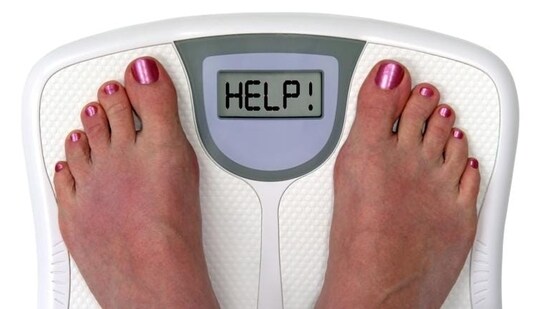
Weight management: Achieving and maintaining a healthy weight can help alleviate symptoms of PCOS, such as irregular menstrual cycles, hormonal imbalances, and fertility issues. Even modest weight loss can lead to improvements in symptoms and overall health. (Pinterest)
5/9
 View Photos in a new improved layout
Published on Feb 14, 2024 6:00 AM
Stress reduction: Chronic stress can exacerbate symptoms of PCOS and disrupt hormonal balance. Incorporate stress-reducing activities into your routine, such as meditation, yoga, deep breathing exercises, or hobbies that you enjoy. (Unsplash)
6/9
 View Photos in a new improved layout
Published on Feb 14, 2024 6:00 AM
Adequate sleep: Prioritize getting enough sleep each night, as insufficient sleep can negatively impact hormone levels, metabolism, and overall health. Aim for 7-9 hours of quality sleep per night. (Unsplash)
7/9
 View Photos in a new improved layout
Published on Feb 14, 2024 6:00 AM
Limit caffeine and alcohol: Excessive consumption of caffeine and alcohol can disrupt hormone levels and exacerbate symptoms of PCOS. Limit intake of caffeinated beverages and alcoholic drinks. (Unsplash)
8/9
 View Photos in a new improved layout
Published on Feb 14, 2024 6:00 AM
Quit smoking: Smoking can worsen insulin resistance and increase the risk of cardiovascular complications associated with PCOS. If you smoke, consider quitting, and seek support if needed. (iStock/HT Archive)
9/9
 View Photos in a new improved layout
Published on Feb 14, 2024 6:00 AM


