
 E-Paper



World AIDS Day 2023: Common myths about HIV and AIDS
Being diagnosed with HIV doesn’t automatically mean that a person has AIDS. Let's clear up a few misconceptions.
Updated on: Nov 30, 2023 4:53 PM IST


Share via


Copy link

1/6

 View Photos in a new improved layout
Updated on Nov 30, 2023 4:53 PM
World AIDS Day was established to provide a platform for governments, organisations, and individuals to raise awareness and take action against HIV/AIDS. HIV is the virus that leads to acquired immune deficiency syndrome (AIDS). This virus harms the immune system, making it difficult for the body to defend against infections and cancer. The very first World AIDS Day happened in 1988. Since then, it is observed anually on December 1. This year, the theme of World AIDS Day is “let communities lead”. Unfortunately, there's been a lot of wrong information and unfair judgment about HIV. We're here to clear up a few myths for you. (File Photo)
2/6
 View Photos in a new improved layout
Updated on Nov 30, 2023 4:53 PM
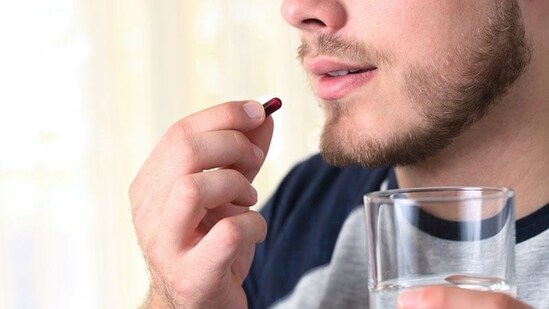
Myth: Treating HIV will require taking a lot of pills everydayFact: Years ago, people with HIV needed to take a lot of pillsNow, most people starting on HIV treatment only take 1 to 2 pills daily (Twitter/@AndyVermaut)
3/6
 View Photos in a new improved layout
Updated on Nov 30, 2023 4:53 PM
Myth: You can tell that someone is living with HIV by looking at themFact: You cannot identify HIV-positive people by the symptoms they have. They may not have any specific symptoms or have symptoms suggestive of other health conditions (File Photo)
4/6
 View Photos in a new improved layout
Updated on Nov 30, 2023 4:53 PM
Myth: You can avoid exercise if you have HIVFact: Exercise is a good way to protect your health when you have HIV. It can prevent fatigue, improve your appetite, lower your stress, maintain your muscles and protect your bones (Freepik)
5/6
 View Photos in a new improved layout
Updated on Nov 30, 2023 4:53 PM
Myth: If both partners are HIV-positive, there’s no need for condoms Fact: People who are living with HIV can still be at risk for other STIs (also known as sexually transmitted diseases, or STDs) (Unsplash)
6/6
 View Photos in a new improved layout
Updated on Nov 30, 2023 4:53 PM


