
 E-Paper



Pilgrim’s progress: Pune’s Wari pilgrimage starts, thousands walk for faith
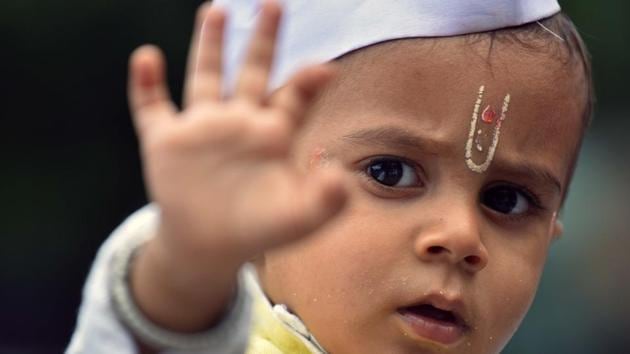
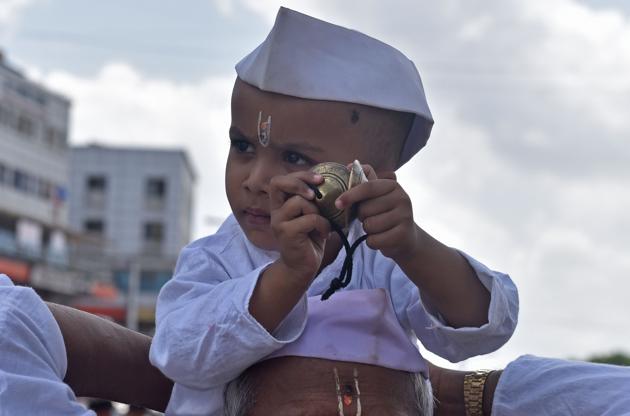
Wari is the annual pilgrimage from Alandi in Pune to Pandharpur in Solapur in the Hindu month of Aashaadh, around June-July. Devotees traverse a 250 km route and are called Warkaris. A young Warkari during Sant Dnyaneshwar Maharaj Palkhi Sohla at Vishrantwadi in Pune. (Pratham Gokhale/HT PHOTO)
Updated on: Jun 21, 2017 12:44 PM IST


Share via


Copy link

1/6
 View Photos in a new improved layout
Updated on Jun 21, 2017 12:44 PM
Wari is the annual pilgrimage from Alandi in Pune to Pandharpur in Solapur in the Hindu month of Aashaadh, around June-July. Devotees traverse a 250 km route and are called Warkaris. A young Warkari during Sant Dnyaneshwar Maharaj Palkhi Sohla at Vishrantwadi in Pune. (Pratham Gokhale/HT PHOTO)
2/6
 View Photos in a new improved layout
Updated on Jun 21, 2017 12:44 PM
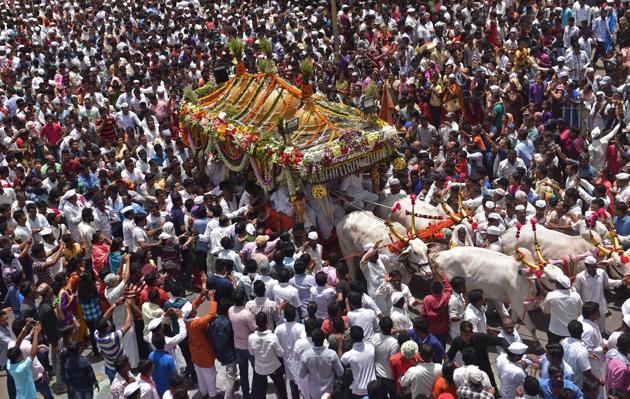
It is believed that parents of the 13th century saint Sant Dnyaneshwar Maharaj undertook this pilgrimage and he followed their steps later. When Sant Dnyaneshwar undertook this tradition, Warkaris sang traditional songs called Abhanga all along the route. (Pratham Gokhale/HT PHOTO)
3/6
 View Photos in a new improved layout
Updated on Jun 21, 2017 12:44 PM
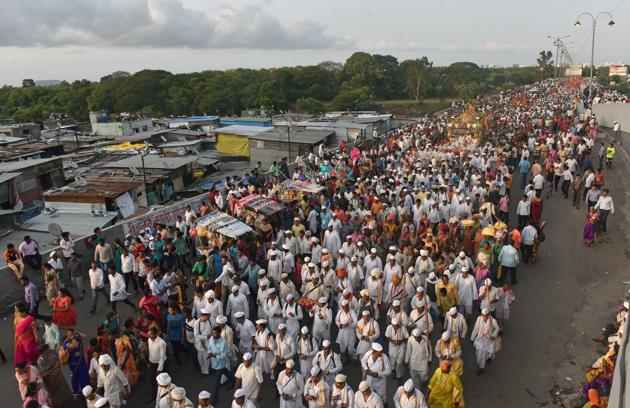
The Warkaris start their journey from Alandi with allotted dindis, which are palanquins that carry silver Padukas (footsteps). They carry their food and clothing for all the days of the journey. (Pratham Gokhale/HT PHOTO)
4/6
 View Photos in a new improved layout
Updated on Jun 21, 2017 12:44 PM
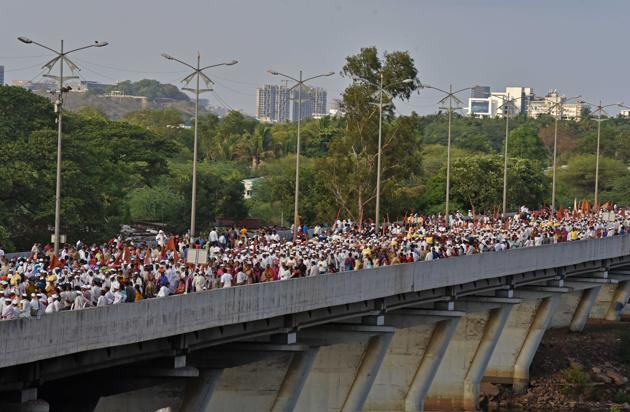
The Warkaris belive that Lord Vitthal waits for them at the end of their walk, and see the journey itself as the reward. Pilgrims from Karnataka, Andhra Pradesh, Tamil Nadu, Kerala, Madhya Pradesh and Gujrat participate in the event. (Pratham Gokhale/HT PHOTO)
5/6
 View Photos in a new improved layout
Updated on Jun 21, 2017 12:44 PM
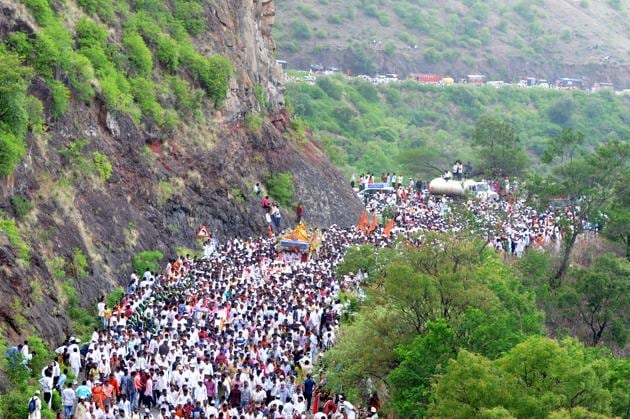
Men, women, elderly and the children all walk along side each other in the Wari. many people fast on certain days, not even consuming water and the procession chants Ram Krishna Hari through the pilgrimage. (Pratham Gokhale/HT PHOTO)
6/6
 View Photos in a new improved layout
Updated on Jun 21, 2017 12:44 PM


