
 E-Paper



Egypt struggles to save a generation of kids from homelessness
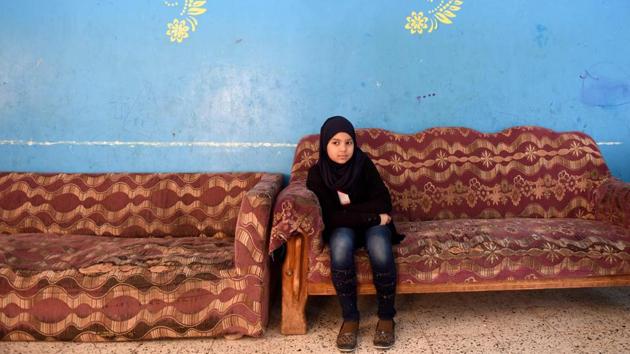
An Egyptian girl sits on a sofa at the Banati Foundation shelter, a civil society organisation that works with street children, in the capital Cairo. For Egypt's government and civil society groups, tackling the growing problem of street children, some from second- and even third-generation homeless families, is proving difficult. According to the most recent ministry figures from a 2014 survey, Egypt has about 16,000 street children, said the spokesman for the "Children Without Shelter" programme. (Mohamed el-Shahed/AFP)
Updated on: May 31, 2017 9:07 AM IST

Share via


Copy link

1/10
 View Photos in a new improved layout
Updated on May 31, 2017 9:07 AM
An Egyptian girl sits on a sofa at the Banati Foundation shelter, a civil society organisation that works with street children, in the capital Cairo. For Egypt's government and civil society groups, tackling the growing problem of street children, some from second- and even third-generation homeless families, is proving difficult. According to the most recent ministry figures from a 2014 survey, Egypt has about 16,000 street children, said the spokesman for the "Children Without Shelter" programme. (Mohamed el-Shahed/AFP)
2/10
 View Photos in a new improved layout
Updated on May 31, 2017 9:07 AM
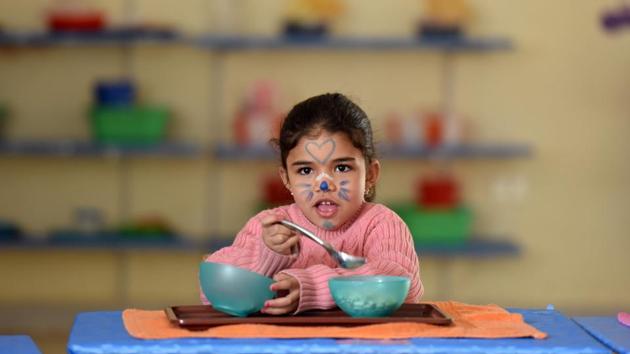
They train the youngsters in first aid, and at the same time try to gather any paperwork so they can move them later to a shelter. (Mohamed el-Shahed/AFP)
3/10
 View Photos in a new improved layout
Updated on May 31, 2017 9:07 AM
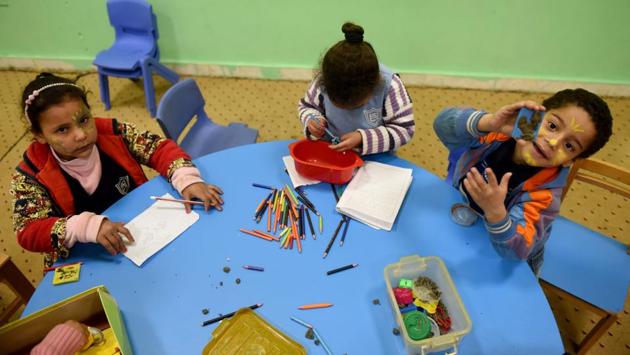
The United Nations Children’s Fund, UNICEF, estimates there are tens of thousands of street children in the country, its Egypt representative Bruno Maes says. (Mohamed el-Shahed/AFP)
4/10
 View Photos in a new improved layout
Updated on May 31, 2017 9:07 AM
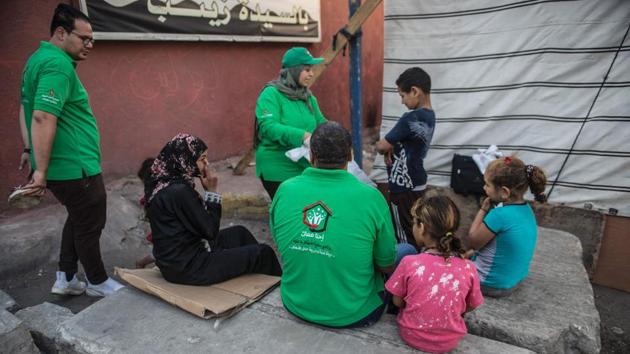
Egyptian members of the ministry's "Children Without Shelter" programme train homeless children in first aid. Hannah Aboulghar, a paediatrician at the Banati Foundation which has worked with street children since 2009, says no figures are credible but the problem is getting worse. (Khaled Desouki/AFP)
5/10
 View Photos in a new improved layout
Updated on May 31, 2017 9:07 AM
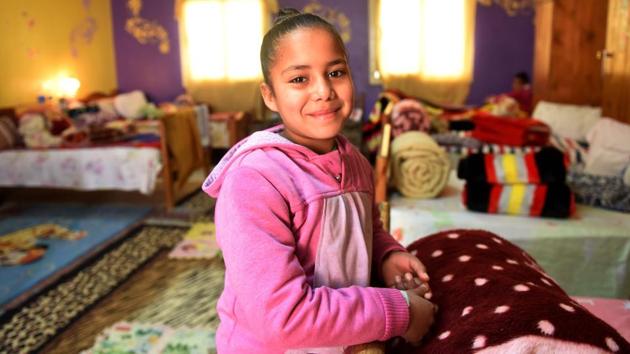
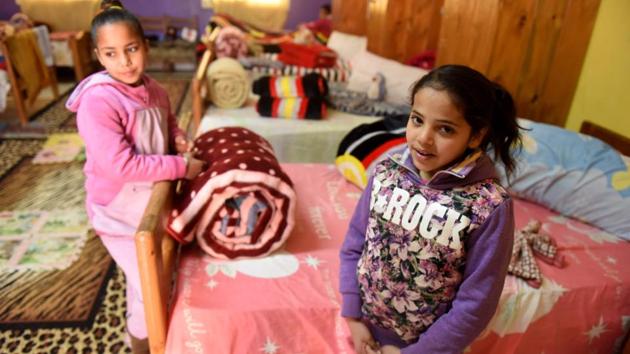
An Egyptian girl smiles on camera as she stands in a bedroom. According to official figures about 24 million people, nearly a third of the country’s 90 million population live below the poverty line. (Mohamed el-Shahed/AFP)
6/10
 View Photos in a new improved layout
Updated on May 31, 2017 9:07 AM
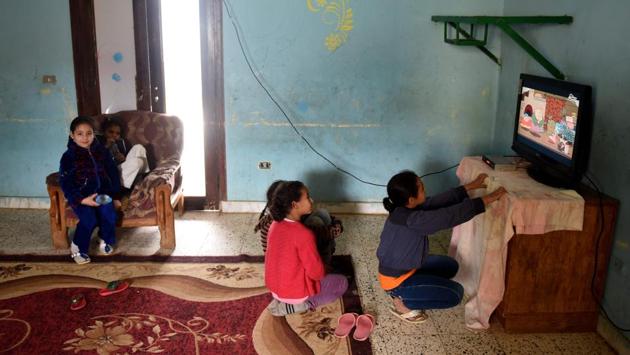
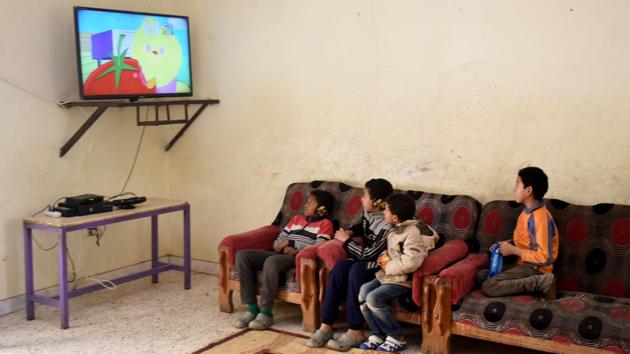
Egyptian children watch TV at the shelter. Hannah Aboulghar said that the street children come mainly from the mushrooming “poverty belt” of slums outside cities such as the capital and Alexandria. Government estimates show about eight million Egyptians live in such areas. (Mohamed el-Shahed/AFP)
7/10
 View Photos in a new improved layout
Updated on May 31, 2017 9:07 AM
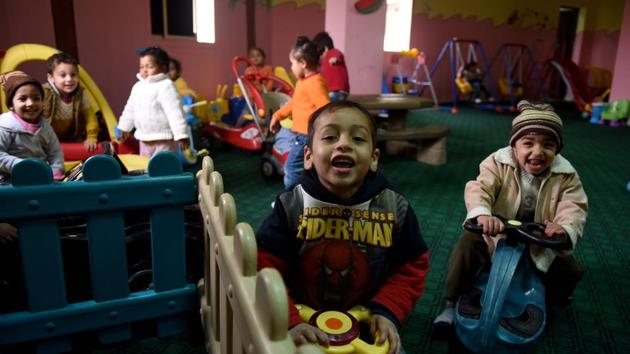
Civil society organisations such as the Banati Foundation that work with street children face the same difficulties as the government in helping them. (Mohamed el-Shahed/AFP)
8/10
 View Photos in a new improved layout
Updated on May 31, 2017 9:07 AM
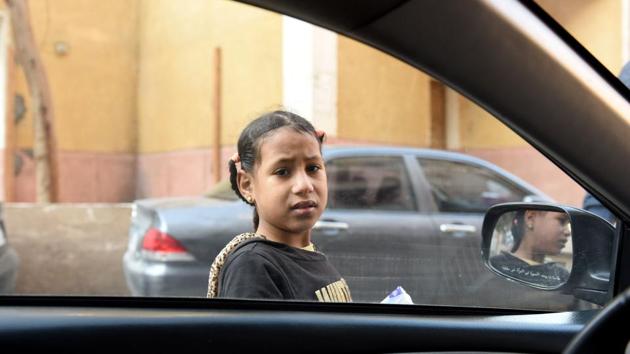
These children are second- or third-generation street children for whom Banati was able to produce identity papers, thus saving them from the fate that befell their constantly homeless parents. (Mohamed el-Shahed/AFP)
9/10
 View Photos in a new improved layout
Updated on May 31, 2017 9:07 AM
The documentation made it easier to acquire identification papers for her children, who were then transferred to the shelter where they now live. (Mohamed el-Shahed/AFP)
10/10
 View Photos in a new improved layout
Updated on May 31, 2017 9:07 AM


