
 E-Paper



Photos: China’s incense makers toil ahead of Lunar New Year
China’s Yongchun county, a mountainous area of southeastern Fujian province supplies much of the world's incense. It is now home to around 300 manufacturers, employing more than 30,000 people. Also, it is believed that Arab traders brought incense to Yongchun, where the aromatic spices that theyimported were combined with local bamboo. Ahead of Lunar New Year, the workers are putting in extra hours at work to meet the demand of the incense sticks that will be burnt at temples and in traditional ceremonies.
Updated on: Jan 2, 2020 1:33 PM IST


Share via


Copy link

1/10
 View Photos in a new improved layout
Updated on Jan 2, 2020 1:33 PM
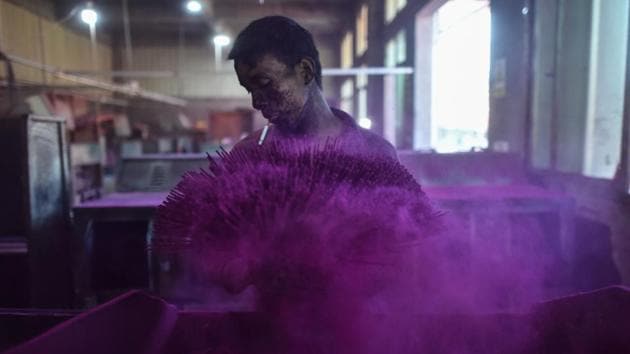
A worker covering incense sticks with coloured powder at the Fujian Xingquan Incense Factory in the city of Quanzhou in China's Fujian Province. Dozens of workers toil through the night coating thin lengths of bamboo in herbs, spices and richly coloured powders to create incense sticks that are spread out under the rising sun to dry. It is an important time of year for the villagers of Yongchun county, a mountainous area of south-eastern Fujian province that supplies much of the world’s incense. (Hector Retamal/AFP)
2/10
 View Photos in a new improved layout
Updated on Jan 2, 2020 1:33 PM
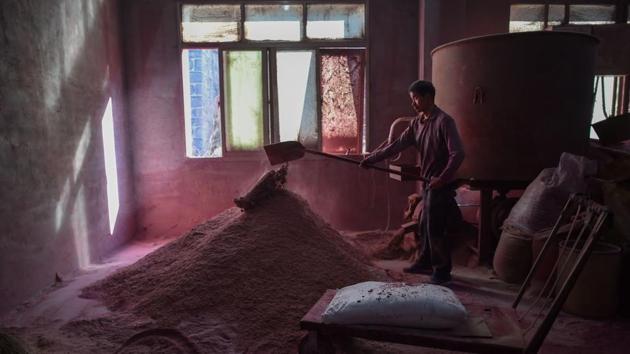
A worker shovelling powder during the preparation of incense stick production. Now, the clock is ticking with the approach of the Lunar New Year holiday later this month, when countless Chinese will pray and burn incense at temples and in traditional ceremonies. The craft of producing incense runs deep in Dapu town, where Hong Zhongsen operates a family business passed down through the generations. (Hector Retamal/AFP)
3/10
 View Photos in a new improved layout
Updated on Jan 2, 2020 1:33 PM
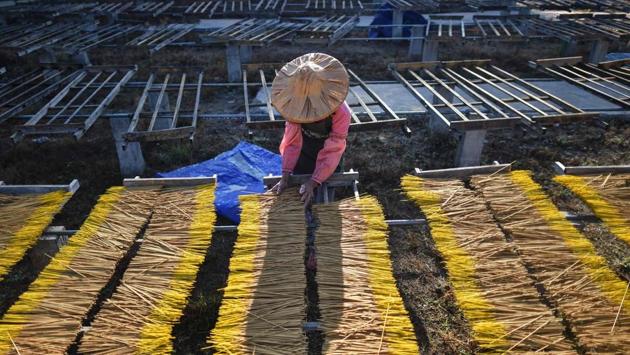
A worker placing incense sticks on a wooden platform to dry at the Fujian Xingquan Incense Factory. “Making incense is very important for my family. It’s not just a business. It’s also to preserve an ancestral craft and a traditional religious culture,” said Hong, 31, standing amid rows of brightly coloured incense sticks. (Hector Retamal/AFP)
4/10
 View Photos in a new improved layout
Updated on Jan 2, 2020 1:33 PM
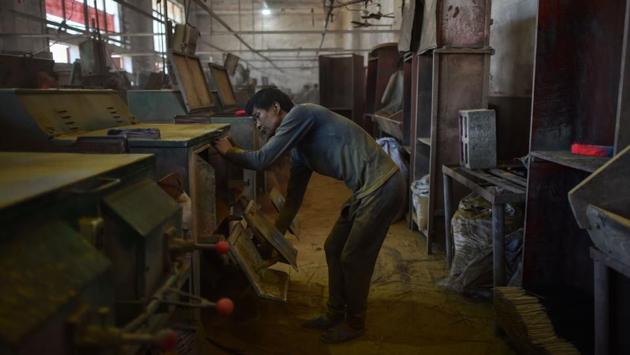
A worker preparing the machinery to make incense sticks.The area’s fortunes have long been tied to the nearby ancient city of Quanzhou, a key conduit for foreign trade for centuries. It is believed that Arab traders brought incense to Yongchun, where the aromatic spices that they imported were combined with local bamboo. (Hector Retamal/AFP)
5/10
 View Photos in a new improved layout
Updated on Jan 2, 2020 1:33 PM
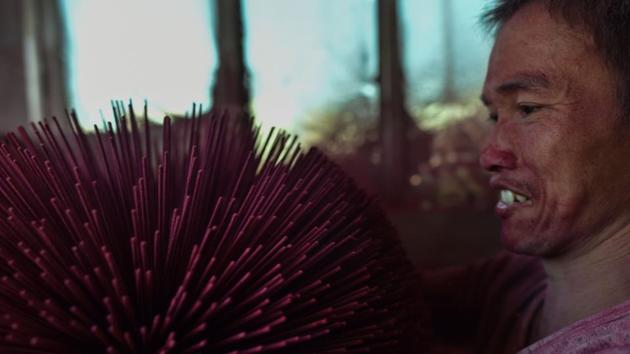
A worker covering incense sticks with coloured powder. Locals claim that one in every three incense sticks sold in South-east Asia is made in Yongchun. A round-the-clock production process involves up to 18 separate stages during which bamboo sticks are coated in fragrant herbs and spices and then dusted with powders of deep purple, red and yellow. (Hector Retamal/AFP)
6/10
 View Photos in a new improved layout
Updated on Jan 2, 2020 1:33 PM
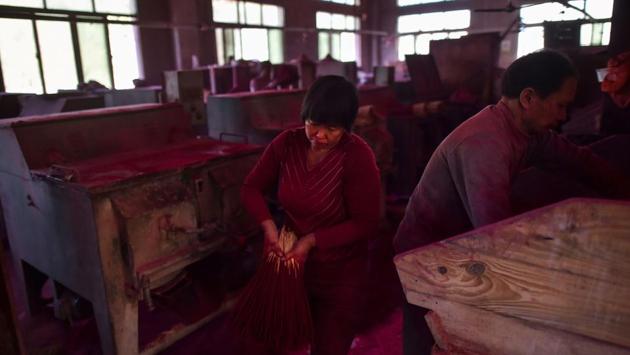
Workers making incense sticks at the Fujian Xingquan Incense Factory. The messy process also leaves workers looking as if they had been dipped in the colours themselves. The sticks are then dried in the sun, a nerve-wracking step for workers due to the area’s changeable weather. (Hector Retamal/AFP)
7/10
 View Photos in a new improved layout
Updated on Jan 2, 2020 1:33 PM
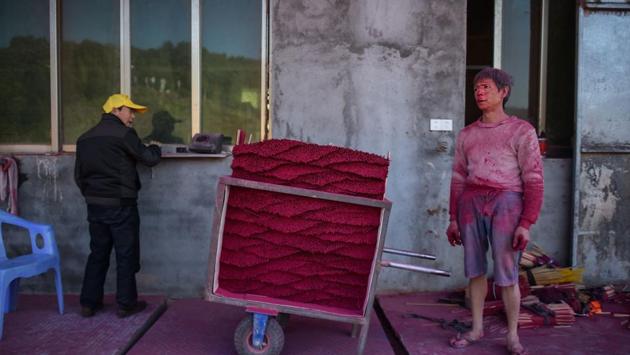
A worker (R) waiting to weigh the incense sticks he produced at the Fujian Xingquan Incense Factory. Demand is growing in China and in South-east Asian countries like Malaysia and Indonesia that have prominent overseas Chinese communities, as well as in Buddhist Thailand. (Hector Retamal/AFP)
8/10
 View Photos in a new improved layout
Updated on Jan 2, 2020 1:33 PM
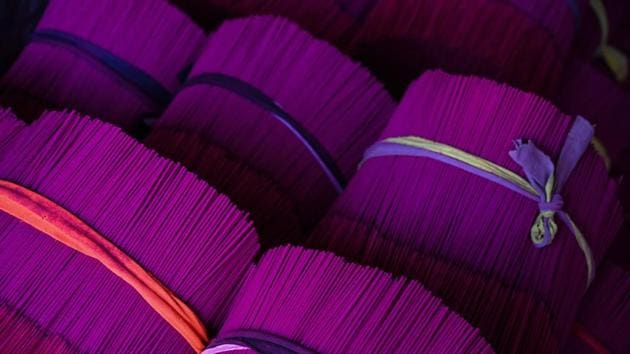
Incense sticks at the Fujian Xingquan Incense Factory. Yongchun incense is unique, with a special scent and texture. It’s an exquisite art, and a slight difference in production may change the overall quality. (Hector Retamal/AFP)
9/10
 View Photos in a new improved layout
Updated on Jan 2, 2020 1:33 PM
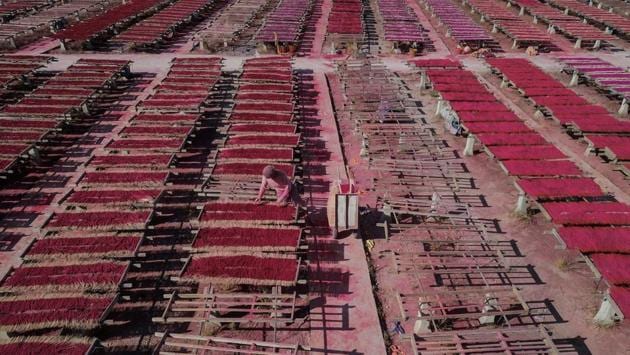
A worker placing incense sticks on wooden platforms to dry at the Fujian Xingquan Incense Factory. (Hector Retamal/AFP)
10/10
 View Photos in a new improved layout
Updated on Jan 2, 2020 1:33 PM


