
 E-Paper



Photos| COVID-19: Fact versus fiction
With the rising number of COVID-19 cases in the country there is a surge in myths/rumors surrounding it. A look at the some of the common ones and the truths behind them including basic precautions.
Updated on: Mar 20, 2020 5:47 PM IST


Share via


Copy link

1/15

 View Photos in a new improved layout
Updated on Mar 20, 2020 5:47 PM
Life inside a red zone: Two-year-old Bianca Toniolo does a drawing of a microscopic view of the coronavirus on the 14th day of quarantine at home in San Fiorano, Italy. Social media is awash with myths about how people might stop the new coronavirus or treat infection with COVID-19, the disease this new strain discovered in 2019 causes. Scroll through for some facts to address the fiction. (Marzio Toniolo via REUTERS)
2/15
 View Photos in a new improved layout
Updated on Mar 20, 2020 5:47 PM
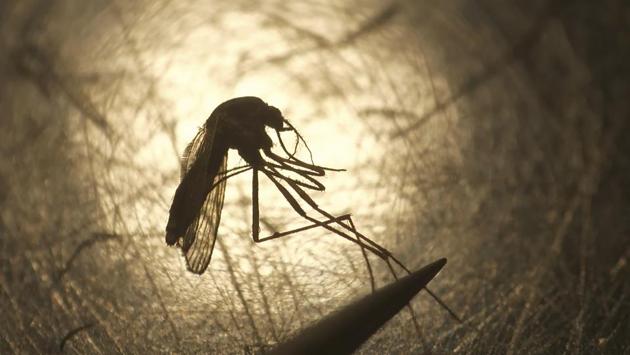
TRANSMISSION - FICTION: The new coronavirus can be spread by mosquito bites and in Chinese food. (Rick Bowmer / AP)
3/15
 View Photos in a new improved layout
Updated on Mar 20, 2020 5:47 PM
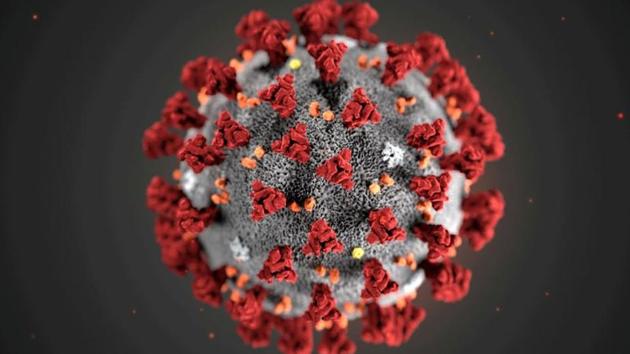
FACT: The new coronavirus is a respiratory virus that spreads primarily via droplets when an infected person coughs, sneezes or breathes out, or through droplets of saliva or discharge from the nose. (Alissa Eckert, MS; Dan Higgins, MAM/CDC/Handout via REUTERS)
4/15
 View Photos in a new improved layout
Updated on Mar 20, 2020 5:47 PM
PROTECTION - FICTION: Regularly rinsing one’s nose with saline can prevent infection with COVID-19. (Dylan Martinez / REUTERS)
5/15
 View Photos in a new improved layout
Updated on Mar 20, 2020 5:47 PM
FACT: There is no evidence that regularly rinsing the nose with saline has protected people. The WHO says there is some weak evidence that regularly rinsing the nose with saline can help some people recover more quickly from the common cold, but it does not prevent respiratory infections. (CDC/Hannah A Bullock and Azaibi Tamin/Handout via REUTERS)
6/15
 View Photos in a new improved layout
Updated on Mar 20, 2020 5:47 PM
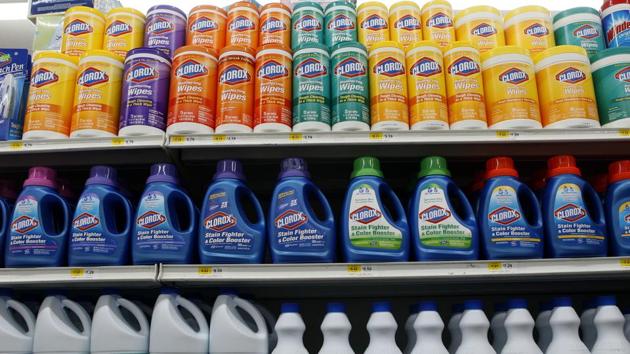
FICTION: Some claims on social media suggest that spraying alcohol or chlorine all over your body can protect against COVID-19 infection, or that gargling bleach or drinking excessive amounts of water can somehow “flush it out”. (Mary Altaffer / AP)
7/15
 View Photos in a new improved layout
Updated on Mar 20, 2020 5:47 PM
FACT: There is no evidence to back these claims. Good hygiene practices including frequent hand washing and avoiding close social contact can help reduce the risk of infection. (Maggie Andresen / REUTERS)
8/15
 View Photos in a new improved layout
Updated on Mar 20, 2020 5:47 PM
FICTION: Hand dryers are effective in killing the new coronavirus. (Andrew Kelly / REUTERS)
9/15
 View Photos in a new improved layout
Updated on Mar 20, 2020 5:47 PM
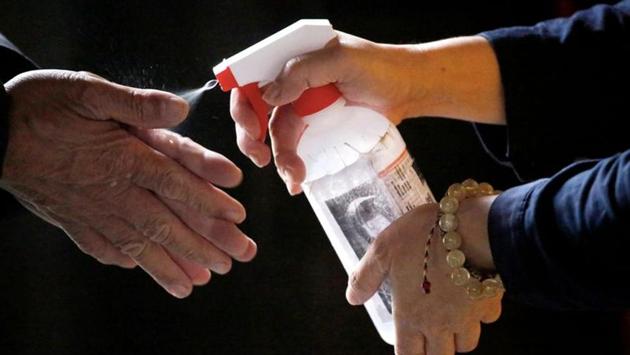
FACT: Hand dryers are not effective against COVID-19, but frequently cleaning one’s hands with an alcohol-based hand rub, or washing them with soap and water is. Clean hands should be dried thoroughly with a clean towel or air dryer. (Ann Wang / REUTERS)
10/15
 View Photos in a new improved layout
Updated on Mar 20, 2020 5:47 PM
FICTION: Cold weather, hot weather, snow, eating garlic or taking a hot bath have also been suggested as ways people can prevent themselves becoming infected. (Spencer Platt / Getty Images)
11/15
 View Photos in a new improved layout
Updated on Mar 20, 2020 5:47 PM
FACT: There is no evidence behind these claims and no evidence as yet to suggest that COVID-19 will be affected by weather or the seasons. The best way to protect is by washing hands frequently and avoiding contact with anyone who might be infected. This can eliminate viruses that may be on the hands and avoid infection that might occur by touching the eyes, mouth and nose. (REUTERS)
12/15
 View Photos in a new improved layout
Updated on Mar 20, 2020 5:47 PM
FICTION: You should wear a face mask at all times when outdoors. (Charly Triballeau / AFP)
13/15
 View Photos in a new improved layout
Updated on Mar 20, 2020 5:47 PM
FACT: People who are healthy, have no symptoms and have not been diagnosed with COVID-19 need to wear a mask if they are taking care of a person with suspected or confirmed COVID-19 infection. Masks are only effective if you are coughing or sneezing - in which case you should be self isolating - and only when used in combination with frequent hand-washing and other hygiene practices. (AFP)
14/15
 View Photos in a new improved layout
Updated on Mar 20, 2020 5:47 PM
TREATMENT - FICTION: Antibiotics can prevent and treat the new coronavirus. (Elana Shpall/Ria Burman/elanashpall.com via AP)
15/15
 View Photos in a new improved layout
Updated on Mar 20, 2020 5:47 PM


