
 E-Paper



Photos: Covid-19 hospitalizations in Britain exceed April peak
British hospitals are canceling non-urgent procedures and scrambling to find space for Covid-19 patients as coronavirus cases continue to surge despite tough new restrictions imposed to curb a fast-spreading new variant of the virus. The daily number of cases reported in the country surpassed 50,000, for the first time on December 29 although many more tests are being performed than earlier in the pandemic. British authorities are blaming a new variant of the coronavirus for soaring infection rates in London and southeast England. They say the new version is more easily transmitted than the original, but stress there is no evidence it makes people sicker.
Updated on: Dec 30, 2020 11:30 AM IST


Share via


Copy link

1/8
 View Photos in a new improved layout
Updated on Dec 30, 2020 11:30 AM
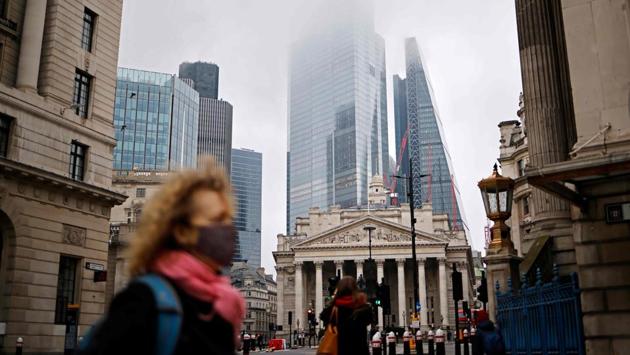
A pedestrian crosses the road near the Royal Exchange and the Bank of England in the City of London on December 28 as Londoners continue to live under Tier 4 lockdown restrictions. England is “back in the eye” of the coronavirus storm, Simon Stevens, chief executive of Britain’s National Health Service (NHS), warned on December 29, with as many patients in hospital as during the initial peak in April. (Tolga Akmen / AFP)
2/8
 View Photos in a new improved layout
Updated on Dec 30, 2020 11:30 AM
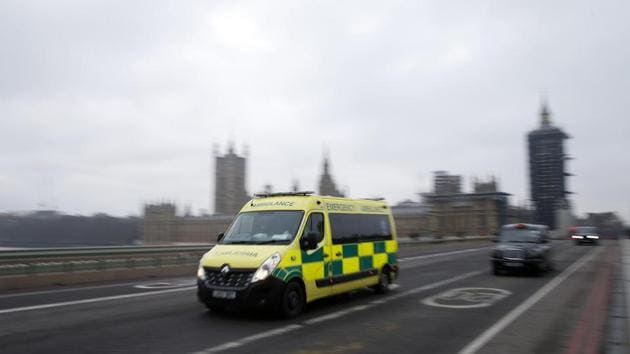
An ambulance crosses Westminster Bridge on December 28 in London. London and southeast England are currently bearing the brunt of the current outbreak, with paramedics in the capital saying they are receiving up to 8,000 emergency calls each day, AFP reported. (Hollie Adams / Getty Images)
3/8
 View Photos in a new improved layout
Updated on Dec 30, 2020 11:30 AM
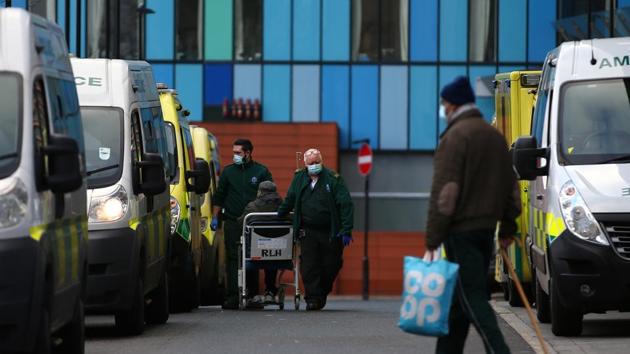
Paramedics wheel a patient into The Royal London Hospital on December 27 in London. Health trusts have been told to begin planning for the use of Nightingale field hospitals, the temporary facilities created during the first wave that have largely gone unused. (Hollie Adams / Getty Images)
4/8
 View Photos in a new improved layout
Updated on Dec 30, 2020 11:30 AM
Mounted police on Carnaby Street as shops remain closed under Tier 4 restrictions in London on December 26. A new strain of the virus appears to be behind the recent upsurge, heaping pressure on the state-run NHS during its busiest winter period. NHS England figures showed there were 20,426 Covid-19 patients in the country’s hospitals on December 28, compared to the 18,974 peak recorded during April. (Henry Nicholls / REUTERS)
5/8
 View Photos in a new improved layout
Updated on Dec 30, 2020 11:30 AM
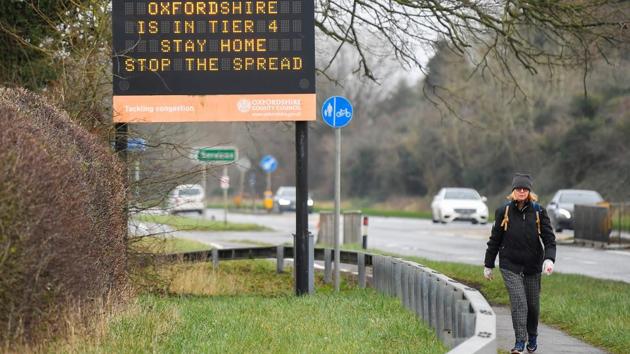
A person walks past a roadside public health information sign near Oxford on December 28. In response, authorities have put a swath of England that’s home to 24 million people under restrictions that require non-essential shops to close, bar indoor socializing and allow restaurants and pubs only to operate for takeout. (Toby Melville / REUTERS)
6/8
 View Photos in a new improved layout
Updated on Dec 30, 2020 11:30 AM
Members of the French Fire Service swab a lorry driver for Covid-19 test at the Port of Dover, on south-east coast of England on December 25. Cabinet Minister Michael Gove said more parts of England might have to be put into the toughest tier of restrictions if case numbers do not fall. Scotland, Wales and Northern Ireland also have implemented strong lockdown measures. (Niklas Halle’n / AFP)
7/8
 View Photos in a new improved layout
Updated on Dec 30, 2020 11:30 AM
People walk along Oxford Street as shops remain closed under Tier 4 restrictions in London on December 26. There is however, rising confidence help could soon be on the way, with expectation mounting that UK regulators may authorize a second coronavirus vaccine this week. (Henry Nicholls / REUTERS)
8/8
 View Photos in a new improved layout
Updated on Dec 30, 2020 11:30 AM


