
 E-Paper



Photos| Haiti quake: 10 years on, survivors feel forgotten
Herlande Mitile was left disabled by a massive earthquake on January 12, 2010 that devastated Haiti, killing 200,000. A wheelchair user, she feels trapped in her village outside Port-au-Prince. The village was meant to be a model for reconstruction after the disaster but like hundreds of other construction sites during the decade when the Petrocaribe program was running, it was abandoned in 2014 with more than half the buildings undone. Effectively run by the residents themselves now, those still suffering from injuries sustained in the quake and those who came seeking a better life say they feel forgotten by the government.
Updated on: Jan 10, 2020 3:48 PM IST


Share via


Copy link

1/10
 View Photos in a new improved layout
Updated on Jan 10, 2020 3:48 PM
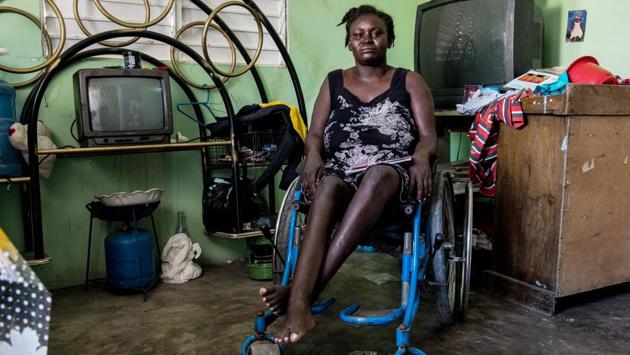
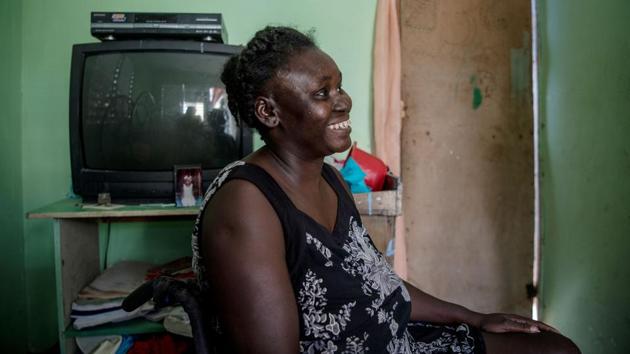
Herlande Mitile, 36, at home in Village Lumane Casimir, northeast of Port-au-Prince. Ten years ago, Mitile was left disabled by the 7.0 magnitude earthquake that devastated Haiti. Today, she uses a wheelchair jury-rigged with a piece of string, which means she cannot go far. She is confined to her village, which itself was meant to be a model for reconstruction of the country after the disaster. (Chandan Khanna/AFP)
2/10
 View Photos in a new improved layout
Updated on Jan 10, 2020 3:48 PM
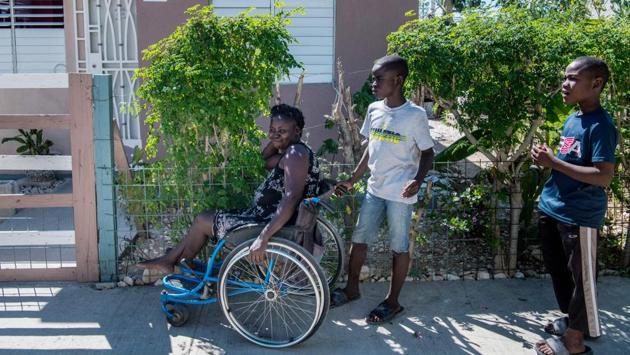
Mitile—who once worked in the capital—is dependent on handouts from neighbours. “The doctor told me that if I went to physical therapy, I might walk again, but you have to go into the city for that. You need money for public transport and I don’t have any,” she told AFP. “That’s how I have become even more handicapped than I was to begin with,” said Mitile, who has metal plates in her hip and spine. (Chandan Khanna/AFP)
3/10
 View Photos in a new improved layout
Updated on Jan 10, 2020 3:48 PM
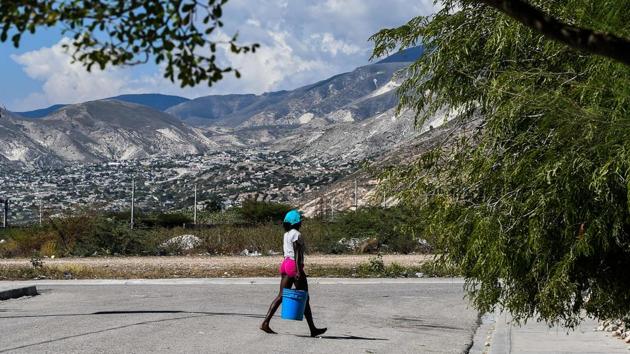
A woman carries bucket of water. Before January 12, 2010, Mitile didn’t know a thing about earthquakes. On that Tuesday, more than 200,000 Haitians were killed, many crushed to death when concrete buildings crumbled on top of them. Mitile was rescued from the debris eight days after the quake. After months in a makeshift camp, Mitile and her two daughters ended up in Village Lumane Casimir. (Chandan Khanna/AFP)
4/10
 View Photos in a new improved layout
Updated on Jan 10, 2020 3:48 PM
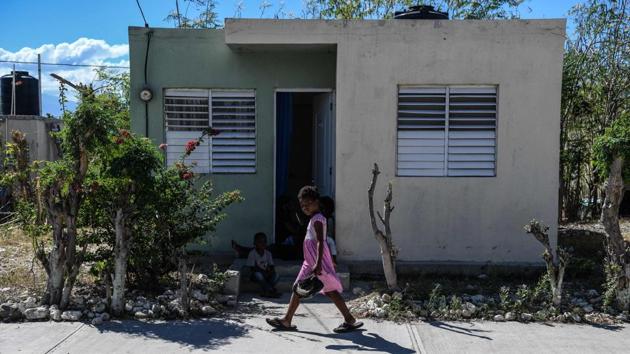
Named for one of Haiti’s greatest singers, the community was created by the government, which offered lodging there to about 50 people disabled in the quake. The community was to have 3,000 quake-resistant homes, a market, an industrial area, police and fire stations, a school and a pharmacy. On paper, it was a dream community. But the plans never came to fruition. (Chandan Khanna/AFP)
5/10
 View Photos in a new improved layout
Updated on Jan 10, 2020 3:48 PM
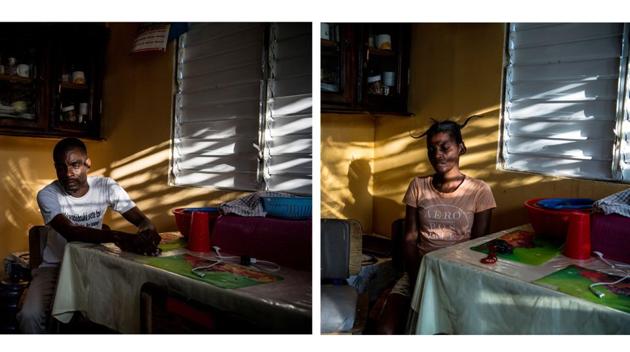
Tabito Alein, 46, and his wife Hanne Rosse Telismon, 39, at home. They both lost their vision during the earthquake. The government had hoped the village would set an example of urban development for an impoverished country mired in corruption.The ambitious project died in the swirling Petrocaribe corruption controversy that has sparked public anger in 2018. (Chandan Khanna/AFP)
6/10
 View Photos in a new improved layout
Updated on Jan 10, 2020 3:48 PM
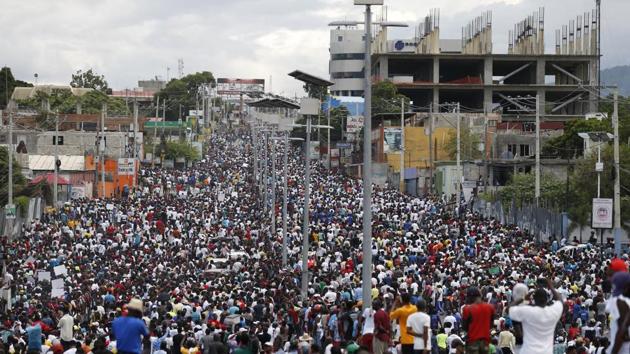
A protest over corruption, inflation and scarcity of basic goods in Port-au-Prince last October. Since the middle of 2018, regular demonstrations have called for more transparency in how the funds from Venezuela’s Petrocaribe program were handled.The scheme had allowed Haiti to buy petroleum products cheaply and on credit, but it was plagued by allegations of misuse of aid money allocated by Caracas. (Rebecca Blackwell/AP)
7/10
 View Photos in a new improved layout
Updated on Jan 10, 2020 3:48 PM
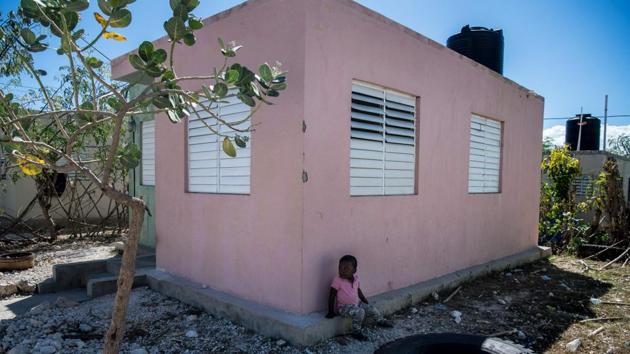
The financial upheaval resulting from the scandal doomed the village project, and the administrative office on site to collect rent closed, creating a sort of real estate loophole. People kept coming to the complex, because all of a sudden, it was a great deal. “I came to live here because rent had become too high in my old neighbourhood,” William Saint-Pierre, who simply squatted in one vacant house, told AFP. (Chandan Khanna/AFP)
8/10
 View Photos in a new improved layout
Updated on Jan 10, 2020 3:48 PM
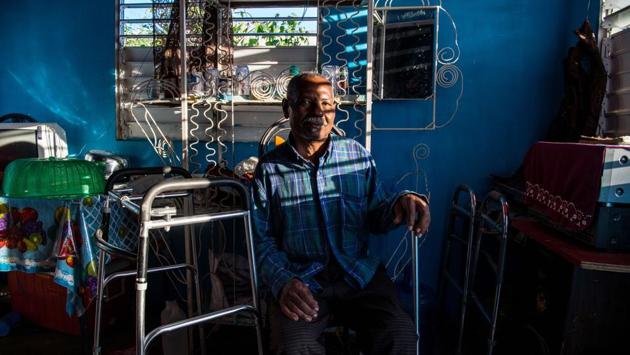
Osner Di'Pre, 60, was left paralysed in the left side of his body from injuries during the 2010 earthquake. “In the cities after five or six o’clock, you have to stay inside, and doors have iron gates,” Saint-Pierre said. “I’m getting too old to hear gunshots at all hours of the day and night,” the 62-year-old added. (Chandan Khanna/AFP)
9/10
 View Photos in a new improved layout
Updated on Jan 10, 2020 3:48 PM
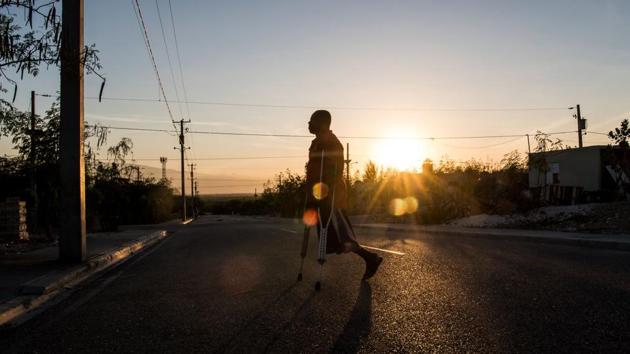
Boulva Verly, 42, who lost a leg during the quake, walks with the help of crutches. Despite some benefits, including the absence of gang violence, Village Lumane Casimir is nevertheless geographically isolated and without any officials to run it. That puts its most vulnerable residents at even higher risk. “Before January 12 (the quake), we got by, but now, I’m worse than a baby,” Mitile said. (Chandan Khanna/AFP)
10/10
 View Photos in a new improved layout
Updated on Jan 10, 2020 3:48 PM


