
 E-Paper



Photos: Harvesting Spain’s ‘white gold’ asparagus under moonlight
Caparroso in Navarra, is a northern Spanish region with cold nights in winter and spring. It is here that the top-quality asparagus known locally as “white gold” is grown and cherished. Planted every fall and picked each year between April and June, the delicate process of harvesting them is performed quickly and in silence during the night to shield the vegetables from direct sunlight, which could turn the tip of the shoots from white to a purple-like color and dry their much-appreciated moisture.
Updated on: Jun 12, 2018 9:00 AM IST

Share via


Copy link

1/11
 View Photos in a new improved layout
Updated on Jun 12, 2018 9:00 AM
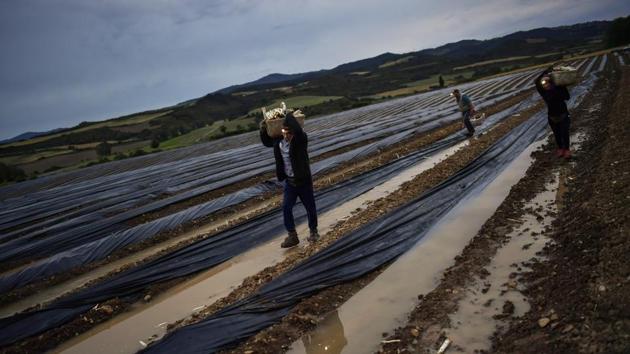
With head-mounted flashlights and boots deep in the mud, a firefly-like party of laborers in northern Spain harvest precious asparagus shoots once night falls. Dubbed “white gold” because of their colour and the high price they fetch in markets and restaurants around the world, the stringy delicacies are planted every fall and picked each year between April and June. (Alvaro Barrientos / AP)
2/11
 View Photos in a new improved layout
Updated on Jun 12, 2018 9:00 AM
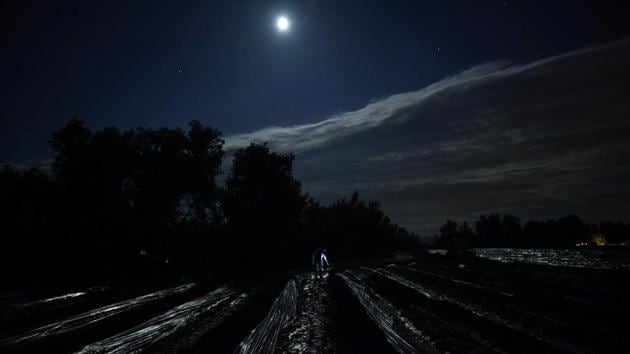
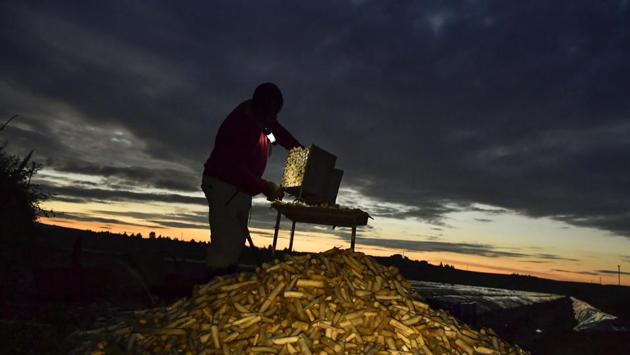
A seasonal worker using a lantern, collects asparagus from a field in Caparroso, Spain. The delicate process is performed during the night to shield the vegetables from direct sunlight, which could turn the tip of the shoots from white to a purple-like color and dry their much-appreciated moisture. (Alvaro Barrientos / AP)
3/11
 View Photos in a new improved layout
Updated on Jun 12, 2018 9:00 AM
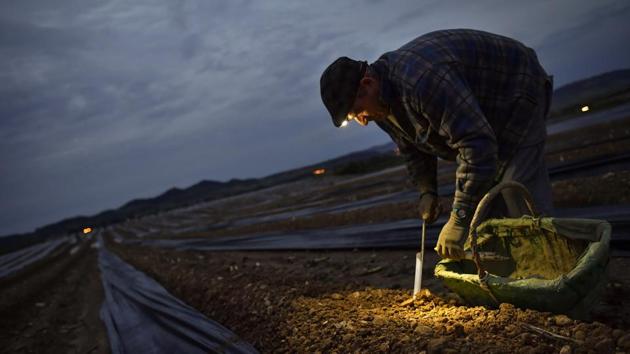
Blas, 53, collects asparagus from the field using a lantern in Uterga. Maintaining the asparagus’ high concentration of water is, according to experts, key to their balanced and slightly bitter flavour. That’s why the harvest is speedy and followed, within a few hours, with the boiling and canning of the asparagus that aren’t sold fresh in the markets. (Alvaro Barrientos / AP)
4/11
 View Photos in a new improved layout
Updated on Jun 12, 2018 9:00 AM
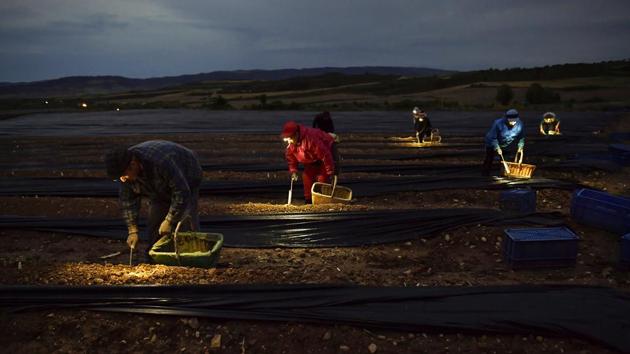
Pickers move fast, in silence, making their way through small mountain-shaped rows of soil that bury the vegetables, lifting the black plastic that covers them and cutting the elongated shoots from their base by stabbing the dunes of mud. (Alvaro Barrientos / AP)
5/11
 View Photos in a new improved layout
Updated on Jun 12, 2018 9:00 AM
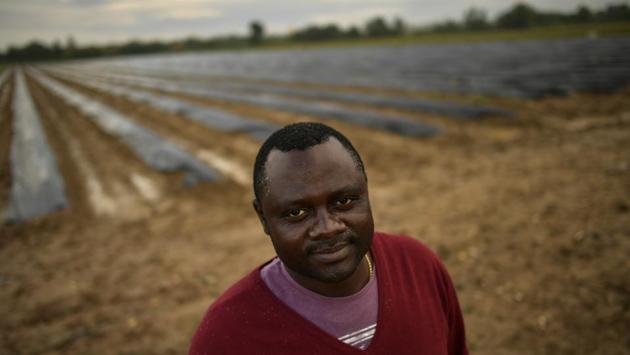
Despite the arduous and back-crushing job, 38-year-old Cameroon-native Blaise Tchouankwi Ngabo said he was willing to work as fast as possible in a farm near the town of Caparroso in order to be paid more, as salaries for seasonal workers grow in line with the amount of asparagus harvested. (Alvaro Barrientos / AP)
6/11
 View Photos in a new improved layout
Updated on Jun 12, 2018 9:00 AM
Working non-stop from dusk to dawn, a dozen pickers can harvest up to 1.5 tons of asparagus at the height of the asparagus-picking season. “One has to earn one’s living,” Tchouankwi said on a recent morning, taking a brief pause to gobble down a sandwich before getting back to the muddy harvest. (Alvaro Barrientos / AP)
7/11
 View Photos in a new improved layout
Updated on Jun 12, 2018 9:00 AM
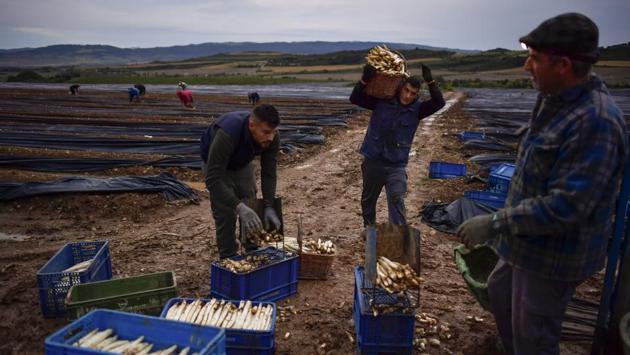
Caparroso is in Navarra, a northern Spanish region with cold nights in winter and spring that are said to produce the top-quality asparagus. (Alvaro Barrientos / AP)
8/11
 View Photos in a new improved layout
Updated on Jun 12, 2018 9:00 AM
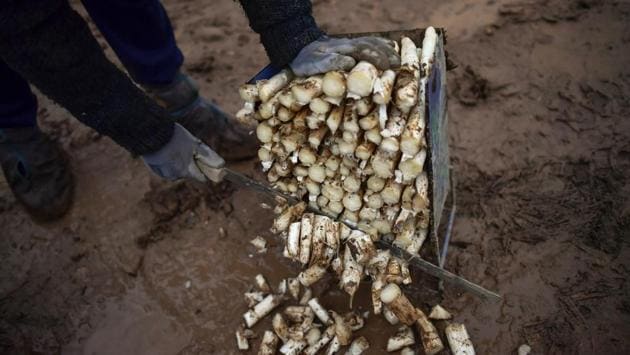
Maria 39, a seasonal worker, prepares white asparagus after collecting them from a field. The cans and jars receive a special label of geographical origin under European Union rules for traditional food products. (Alvaro Barrientos / AP)
9/11
 View Photos in a new improved layout
Updated on Jun 12, 2018 9:00 AM
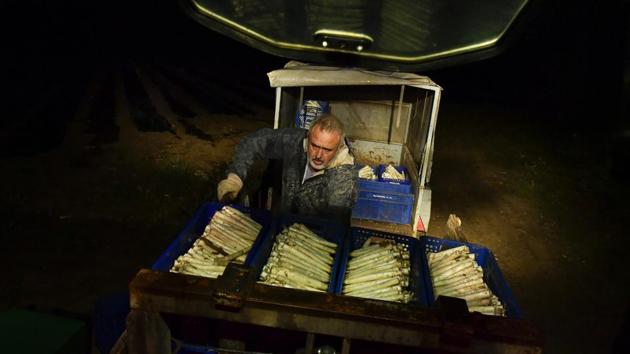
Pedro Pascual, 53, arranges white asparagus after collecting them from a field. Locally, a Navarrese farmer can hope to fetch around 2.90 euros for each kilogram of asparagus in Uterga, a town along the Way of St. James, an ancient pilgrimage route. (Alvaro Barrientos / AP)
10/11
 View Photos in a new improved layout
Updated on Jun 12, 2018 9:00 AM
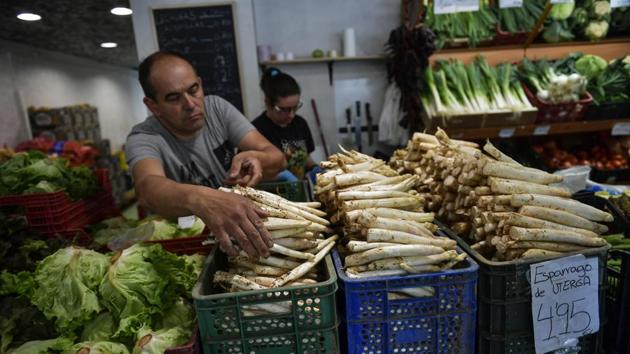
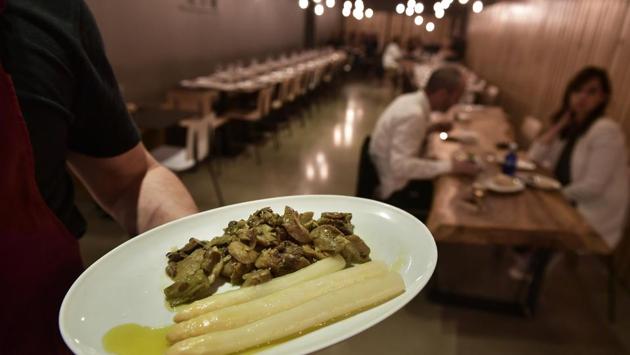
A trader organises white asparagus for customers at his store in Pamplona, northern Spain. The price can double or triple in food markets and even further when served in restaurants, where the bill for a dish of three or four cooked asparagus dressed with olive oil, vinaigrette or mayonnaise begins at nine euros ($10.60). (Alvaro Barrientos / AP)
11/11
 View Photos in a new improved layout
Updated on Jun 12, 2018 9:00 AM


