
 E-Paper



Photos: In Morocco, tribal tattoos fade with age
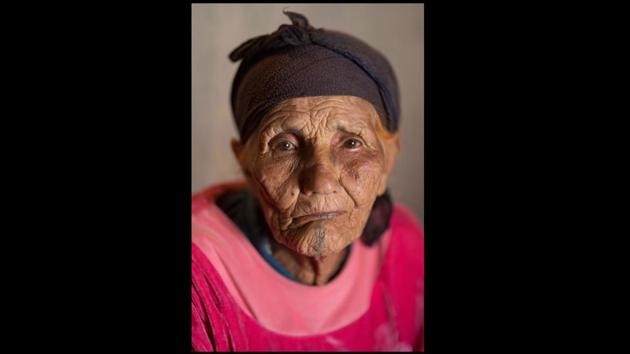
In Morocco’s Middle Atlas mountains, an ancient tradition is fading. The distinctive tribal tattoos that indigenous Amazigh women acquired in a coming of age ritual are slowly disappearing as their bearers age and die. Strictly observant Muslims and women who want to be modern have shunned the practice, which dates to pre-Islamic times. Today, the tattoos largely are found on older Berber women who farm in rural areas.
Updated on: Oct 28, 2018 3:49 PM IST

Share via


Copy link

1/7
 View Photos in a new improved layout
Updated on Oct 28, 2018 3:49 PM
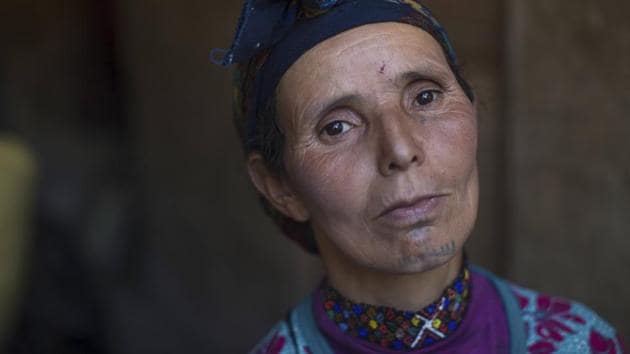
Marhich Rkia Ali, 48, poses for a portrait in the Middle Atlas town of Anergui, near Azilal, central Morocco. Amazigh tattoos, whether simple or elaborate, usually consist of lines, dots, triangles and circles. Girls get their first ones during puberty and those who are able to tolerate the pain are considered mature enough for the adult responsibilities of life in the rugged mountains. (Mosa'ab Elshamy / AP)
2/7
 View Photos in a new improved layout
Updated on Oct 28, 2018 3:49 PM
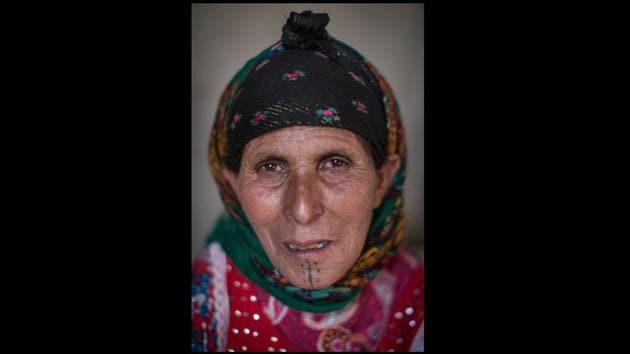
Rabha Abbas, 52 poses for a portrait.The ink work is done for more than adornment. The imagery tells stories of tribes, ties to the land and families. The designs go on chins, cheeks and between the eyes, and extend to forearms as women mark milestones like marriage and motherhood. (Mosa'ab Elshamy / AP)
3/7
 View Photos in a new improved layout
Updated on Oct 28, 2018 3:49 PM
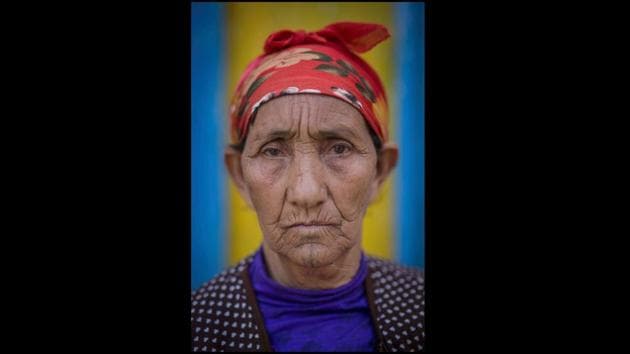
Portrait of 60-year-old Hadda Saghir. At the height of their popularity, the tattoos were seen as having the power to drive away bad spirits and bring good fortune. Some accounts said that during French colonial rule, some indigenous women believed their marked faces would make them undesirable to foreign men. However, the claim is widely disputed since the tattoos predate the colonisation of Morocco. (Mosa'ab Elshamy / AP)
4/7
 View Photos in a new improved layout
Updated on Oct 28, 2018 3:49 PM
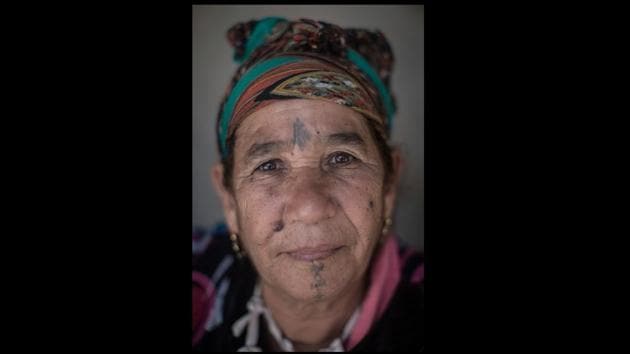
Portrait of 63-year-old Fatima Hadeoui.Today, as tattoos etched decades ago grow fainter on the faces of women grown old, so, too, have they waned in social acceptance. In Morocco, wearing “ouchem” now is generally seen as outdated or worse. (Mosa'ab Elshamy / AP)
5/7
 View Photos in a new improved layout
Updated on Oct 28, 2018 3:49 PM
Hano Hamou Youssfi, 65, shows a tattoo on her face. Growing awareness that some branches of Islam prohibit tattoos has caused some women to try to have theirs removed. Religion is considered the key reason many parents decided against tattooing their daughters. (Mosa'ab Elshamy / AP)
6/7
 View Photos in a new improved layout
Updated on Oct 28, 2018 3:49 PM
Hadda Oaabjde, 71, poses for a portrait displaying her face tattoo. But many women defend the practice and their own tattoos. Hadda Saghir offered the much-repeated though unproven claim that Mohammed’s daughter, Fatima Al-Zahra, was inked as evidence the prophet wouldn’t have minded. “The tattoos will disappear one day,” she added. “But until then, we remain loyal to our traditions,” Saghir said. (Mosa'ab Elshamy / AP)
7/7
 View Photos in a new improved layout
Updated on Oct 28, 2018 3:49 PM


