

 E-Paper


Photos: Indigo and ash mark Nigeria’s five centuries-old dye pits
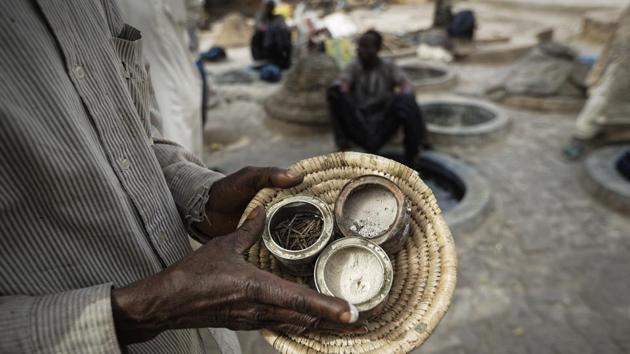
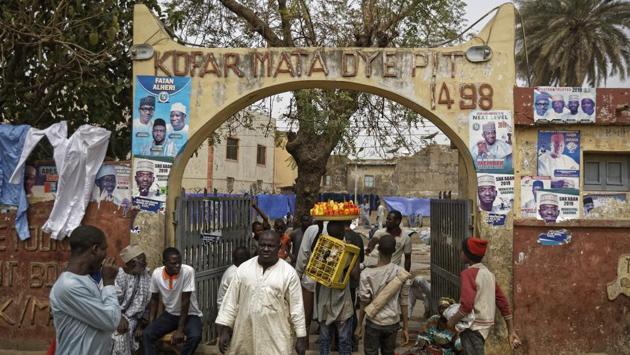
The dye pits of Kofar Mata in Nigeria were founded in 1498 and are said to be the last ones of their kind. Attracting travellers and traders from across the vast Sahel region to the Kano emirate in their heyday, the pits made the widespread fame, but some of the craftsmen carrying on in this generational legacy grumble about competition from Chinese fabrics that have entered the markets and sell for half the price and the loss of talent to other jobs.
1 / 8
 View Photos in a new improved layout
Updated on Feb 25, 2019 10:28 am IST
A little indigo, a handful of ash and time. The dye pits in Nigeria’s ancient northern city of Kano are said to be the last ones of their kind after five centuries of existence. Founded in 1498, they attracted travellers and traders from across the vast Sahel region to the Kano emirate, helping to make the city one of the most prosperous in West Africa at the time. (Ben Curtis / AP)
2 / 8
 View Photos in a new improved layout
Updated on Feb 25, 2019 10:28 am IST
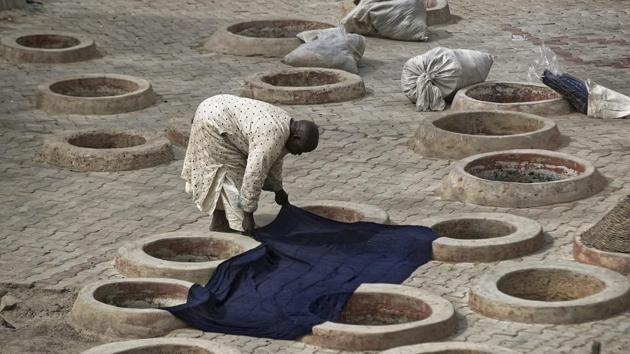
Many pits at Kofar Mata appear to be abandoned as the sons who inherit the tradition decide to pursue government jobs or other business instead, forgetting the skills passed down through generations. The men who remain, squatting over the pits with sturdy gloves and endless patience, produce the intensely blue fabrics that are internationally renowned. (Ben Curtis / AP)
3 / 8
 View Photos in a new improved layout
Updated on Feb 25, 2019 10:28 am IST
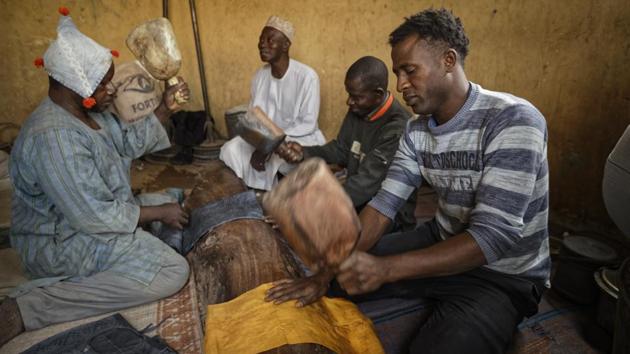
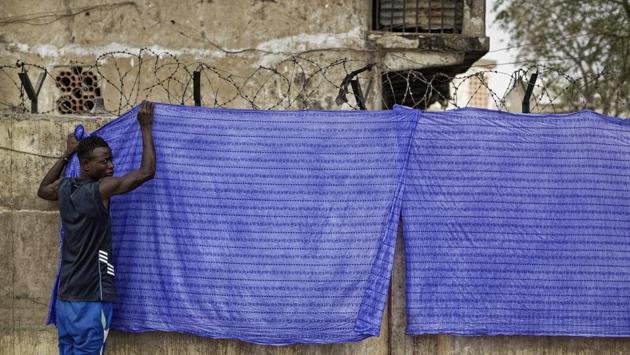
Craftsmen hammer dyed cloth with wooden mallets. The homespun cloth, hung to dry on razor wire topping the walls around the pits, ranges from sky blue to darkest night and comes in romantically named designs: moon and shadow, moon and star, three baskets (standing for wealth, education and power). (Ben Curtis / AP)
4 / 8
 View Photos in a new improved layout
Updated on Feb 25, 2019 10:28 am IST
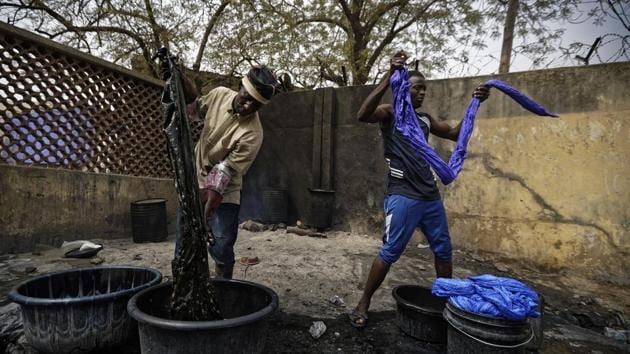
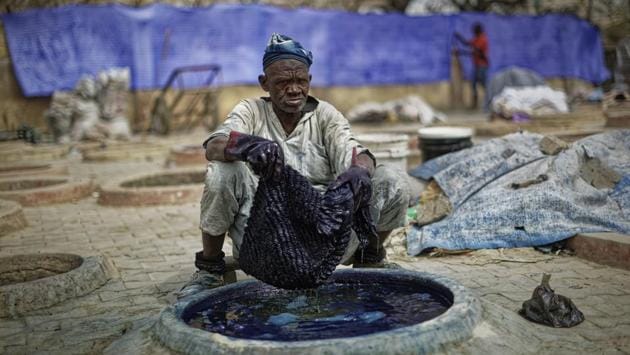
The preparation of the indigo dye takes up to a pungent month, then fabric is soaked for up to several hours for the darkest hues. The men periodically lift the fabric from the pits to drip, saying the process needs to breathe. A dash of potassium holds the colour in. (Ben Curtis / AP)
5 / 8
 View Photos in a new improved layout
Updated on Feb 25, 2019 10:28 am IST
The indigo dye pits use no chemicals, 50-year-old Lawan Ismailu explained. He dipped his fingers into the blue-tinged foam and licked them, then smiled. “Smells like chicken,” he said. Indigo also makes a good medicine, he asserted. Some craftsmen grumble about competition from Chinese fabrics that have entered the markets and sell for roughly half the price, saying they are lower quality and quickly fade. (Ben Curtis / AP)
6 / 8
 View Photos in a new improved layout
Updated on Feb 25, 2019 10:28 am IST
“God make Buhari to help us,” said one artisan, Ibrahim Ahmed Ibrahim, who urged Nigeria’s president to impose high tariffs on imported textiles. “Better our own,” Ibrahim said. Buhari, who sought a second term in Saturday’s election, has pointed to the success of similar tariffs appealing to the millions of Nigerians living in extreme poverty. (Ben Curtis / AP)
7 / 8
 View Photos in a new improved layout
Updated on Feb 25, 2019 10:28 am IST
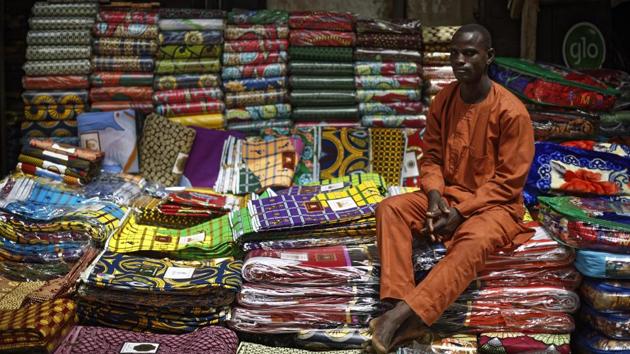
Ibrahim’s colleague Ismailu acknowledged that “money has gone down” in their industry, lamenting that “too much technology” is used by upstart competitors. For those seeking something flashier, a separate area dyes finer cloth from packages stamped “Made in Germany” or Britain, at prices of 25,000 naira (USD 69), purchased by Nigeria’s so-called “big men.” (Ben Curtis / AP)
8 / 8
 View Photos in a new improved layout
Updated on Feb 25, 2019 10:28 am IST