
 E-Paper



Photos: Japan’s ethnic North Koreans look to summit to bring peace
Born and raised in Japan, most “zainichi” ethnic North Koreans living in Japan, differ little from Japanese people on the surface, speaking the language fluently and often marrying Japanese. But many in the minority community have faced discrimination, with the ebb and flow of international politics shadowing their lives. Over the years, many have opted for Japanese citizenship, while others have taken South Korean nationality, but a smaller community of about 30,000 have remained loyal to Pyongyang, and hope the upcoming summit between Pyongyang and Washington will bring clarity to their murky legal status.
Updated on: Jun 08, 2018 10:40 PM IST

Share via


Copy link

1/10
 View Photos in a new improved layout
Updated on Jun 08, 2018 10:40 PM
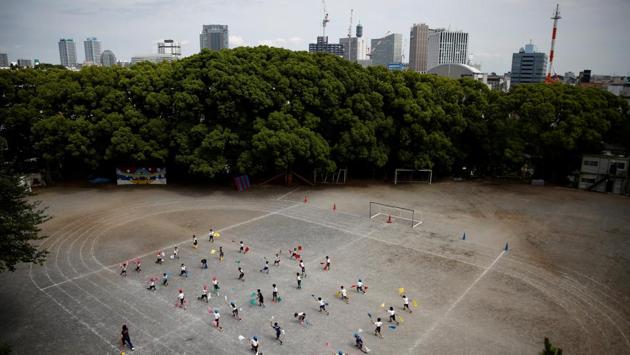
Elementary school students practice for the upcoming sports day at Kanagawa Korean School in Yokohama, Japan. Ethnic Koreans in Japan loyal to Pyongyang hope next week’s US-North Korea summit will help bring reconciliation on the Korean peninsula and clarify their own murky legal status. Their optimism follows April’s summit in Panmunjeom between North and South Korea. (Kim Kyung-Hoon / REUTERS)
2/10
 View Photos in a new improved layout
Updated on Jun 08, 2018 10:40 PM
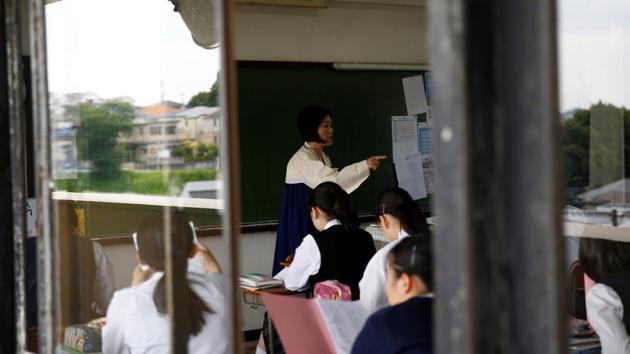
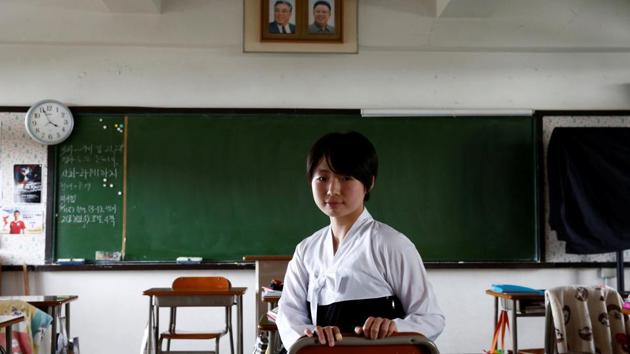
A teacher wearing traditional Korean clothes teaches English to her students at Kanagawa Korean Middle and High School. “I thought reunification was something in the distant future, especially with all the sanctions” on the North, said 17-year-old Paeng Yu Na, who attends one of about 60 schools across Japan affiliated with the North. (Kim Kyung-Hoon / REUTERS)
3/10
 View Photos in a new improved layout
Updated on Jun 08, 2018 10:40 PM
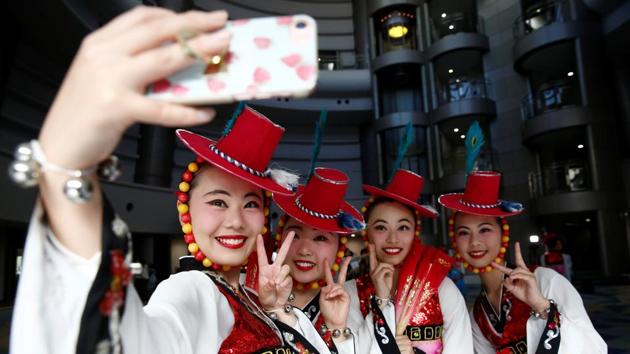
“But it now feels so much closer,” Paeng said, pictured in a traditional Korean dress she wears in school, although not outside to avoid attacks from Japanese right-wing nationalists. She is one of the “zainichi” minority, descended from Koreans who moved or were brought to the country during Tokyo’s colonial rule of the Korean peninsula from 1910 to 1945. (Kim Kyung-Hoon / REUTERS)
4/10
 View Photos in a new improved layout
Updated on Jun 08, 2018 10:40 PM
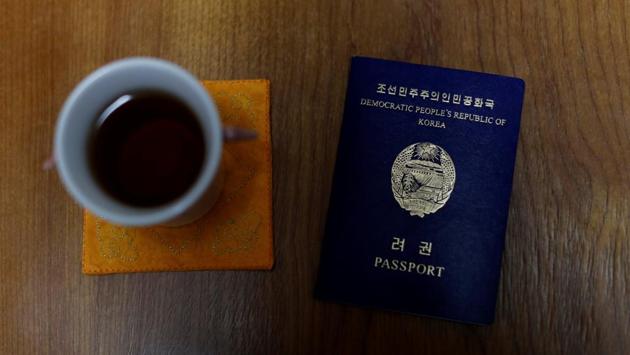
Over the years, many ethnic Koreans have opted for Japanese citizenship, while others have taken South Korean nationality, totalling about 450,000. But a smaller community of about 30,000 have remained loyal to Pyongyang, stuck in a legal gray zone with permanent residency but no legal nationality, as the countries lack diplomatic ties. (Kim Kyung-Hoon / REUTERS)
5/10
 View Photos in a new improved layout
Updated on Jun 08, 2018 10:40 PM
Born and raised in Japan, most differ little from Japanese people on the surface. But many have faced discrimination, with the ebb and flow of international politics shadowing their lives. Job opportunities for pro-Pyongyang Koreans were long limited to firms run by their community, including nightclubs, barbecue restaurants and pachinko pinball parlours. (Kim Kyung-Hoon / REUTERS)
6/10
 View Photos in a new improved layout
Updated on Jun 08, 2018 10:40 PM
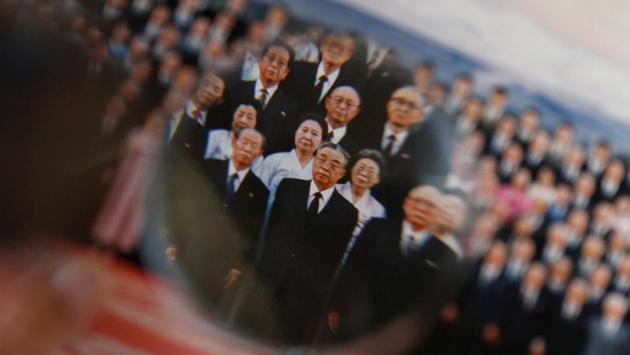
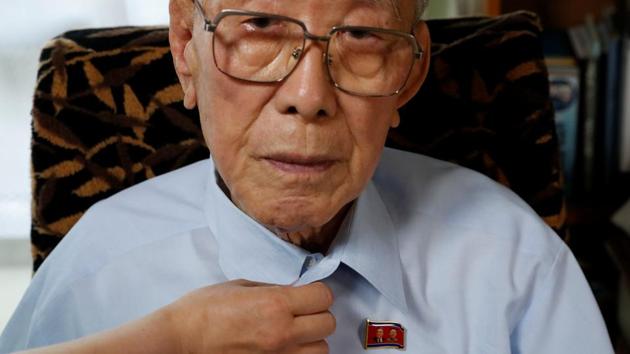
Baek Chong Won, 95, looks at a photograph featuring former North Korean leader Kim Il Sung. Some 90,000 opted to leave for North Korea between 1959 and 1984. Those numbers plunged in the 1980s as tales of poverty spread. Others supported the North with cash remittances and ferrying goods from Japan until sanctions banned port calls. (Kim Kyung-Hoon / REUTERS)
7/10
 View Photos in a new improved layout
Updated on Jun 08, 2018 10:40 PM
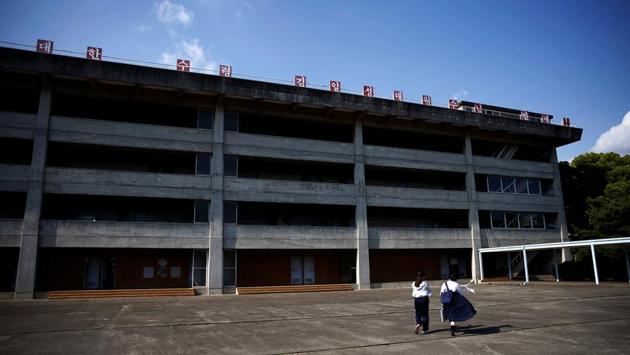
Students wearing traditional Korean clothes and the school uniform (R) walk towards Korea University in Kodaira. The slogan on the building reads, ‘The great leader Kim Il-sung, hurrah.’” Each new round of North Korean nuclear tests brought threats and abuse. Students like Paeng, once a not unfamiliar sight on Tokyo streets in their long, traditional uniforms, became particular targets. (Kim Kyung-Hoon / REUTERS)
8/10
 View Photos in a new improved layout
Updated on Jun 08, 2018 10:40 PM
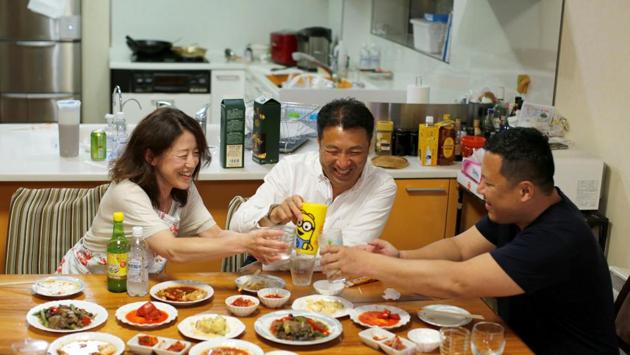
Hong Ryong Su (C), an ethic North Korean in Japan, has a dinner with his wife and a friend, in Tokyo. A third-generation zainichi, he hopes the summit will yield not only a treaty ending the Korean War, which culminated in a truce leaving both sides technically at war, but also improve conditions for the community. (Kim Kyung-Hoon / REUTERS)
9/10
 View Photos in a new improved layout
Updated on Jun 08, 2018 10:40 PM
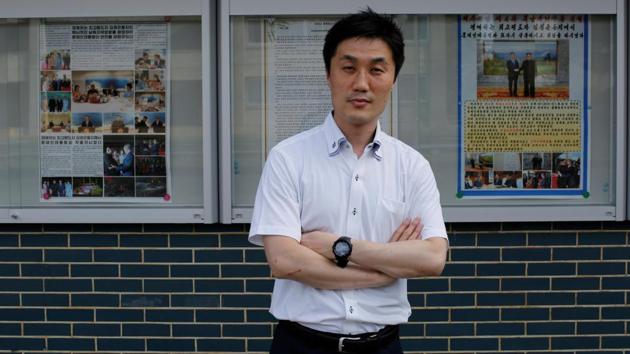
It is unlikely one meeting will achieve a major breakthrough, said Ryom Mun Song, a professor of international relations at Korea University. “However, if both sides keep in sight the goal (of complete nuclear disarmament), and through confidence-building measures, address it step-by-step with further meetings, then I think we can expect great results.” (Kim Kyung-Hoon / REUTERS)
10/10
 View Photos in a new improved layout
Updated on Jun 08, 2018 10:40 PM


